The Ultimate Guide to Choosing a CNC Lathe Machine

Introduction

If you’re looking to understand cnc lathe machine, you’ve come to the right place.

Quick Overview:

  • CNC Lathe: A sophisticated machine tool used for precise turning and shaping of materials.
  • Evolution: Developed from traditional lathes in the 1940s and 1950s.

A CNC lathe machine is a marvel of modern engineering, blending age-old techniques with cutting-edge technology to achieve unparalleled precision in manufacturing. From crafting intricate metal components to shaping versatile plastics, CNC lathes have become indispensable in numerous industries, including aerospace, automotive, and medical sectors.

Understanding the journey of CNC lathes helps appreciate their significance. Initially, lathes were manually operated, which required highly skilled hands and immense concentration. As technology progressed, pioneers like John T. Parsons and Frank L. Stulen introduced computerized control in the mid-20th century, transforming these manual machines into the highly efficient and precise CNC lathes we rely on today.

CNC lathe evolution infographic - cnc lathe machine - infographic roadmap-5-steps

Understanding CNC Lathe Machines

Key Components

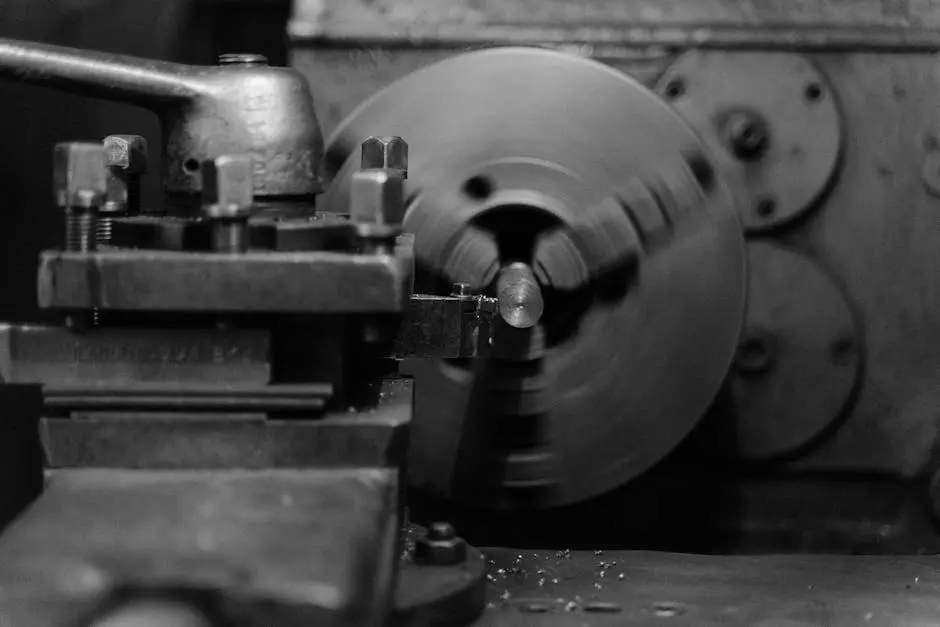
A CNC lathe machine is a sophisticated tool used for shaping materials like metal, plastic, and wood. By rotating the workpiece along a central axis, it allows for precise cutting, drilling, and shaping. Let’s break down the key components that make this possible:

  • Headstock: This houses the main spindle, which is the heart of the lathe. It drives the workpiece and often includes a gear mechanism to control spindle speed.
  • Collet and Chuck: These are used to hold the workpiece securely. The chuck is more versatile, handling larger pieces, while the collet provides a tighter grip for smaller parts.
  • Tailstock: Positioned opposite the headstock, it provides additional support for longer workpieces, ensuring stability during machining.
  • Lathe Bed: This is the base of the machine, supporting all major components. It ensures the entire setup remains stable.
  • Carriage: Moves along the bed, carrying the cutting tool. It guides the tool precisely along the workpiece for accurate cuts.

Types of CNC Lathes

CNC lathes come in various configurations, each designed to meet specific machining needs. Here are the most common types:

2-Axis CNC Lathe

A 2-Axis CNC Lathe operates on two linear axes: X and Z. The X-axis controls the diameter, and the Z-axis controls the length. This setup is ideal for simple and symmetrical parts.

Applications:
– Turning Operations: Creating cylindrical parts.
– Facing Tasks: Making flat surfaces on workpiece ends.
– Drilling and Boring: Drilling holes and enlarging them.
– Grooving and Parting: Making grooves and separating parts.

Preferred Projects:
– Symmetrical Components: Ideal for rods and shafts.
– General Manufacturing: Efficient for mass production.

3-Axis CNC Lathe

A 3-Axis CNC Lathe adds a Y-axis, allowing for off-center milling operations. This makes it suitable for more complex shapes.

Applications:
– Complex Turning: Handling intricate designs.
– Off-Center Drilling and Milling: Performing operations not aligned along main axes.
– Advanced Shaping: Suitable for parts with non-cylindrical profiles.
– Multi-Process Machining: Combining turning with milling and drilling.

Preferred Projects:
– Complex Geometries: Ideal for irregular shapes.
– Precision Components: Higher precision for industries like aerospace and medical.
– Custom Manufacturing: Perfect for bespoke productions.

4-Axis CNC Lathe

A 4-Axis CNC Lathe introduces an additional axis, usually the C-axis, allowing the spindle to rotate perpendicularly to the cutting plane. This offers more versatility.

Applications:
– Complex Contours: Creating intricate designs.
– Precision Engraving: Detailed engraving on cylindrical surfaces.
– Off-Center Drilling and Milling: Enhanced off-center operations.
– Multi-Process Machining: Streamlined production with fewer setups.

Preferred Projects:
– Advanced Designs: Suitable for parts requiring both turning and milling.
– High Precision: Ideal for detailed and precise components.

5-Axis CNC Lathe

A 5-Axis CNC Lathe further increases flexibility by adding two more rotational axes. This allows for even more complex machining without repositioning the workpiece.

Applications:
– Complex Geometries: Creating highly intricate parts.
– Multi-Surface Machining: Handling multiple surfaces in one setup.
– High Precision: Achieving tight tolerances for critical components.

Preferred Projects:
– Aerospace Components: Ideal for intricate aerospace parts.
– Medical Devices: High precision for medical instruments.
– Custom Manufacturing: Perfect for complex, bespoke items.

CNC Swiss Lathes

CNC Swiss Lathes are specialized for small, precise parts typically under 2 inches in diameter. They operate by moving a fixed tooling jig to the bar stock, which moves instead of the tool.

Applications:
– High Production: Ideal for mass production with quick tool changes.
– Precision Parts: Producing parts with high repeatability and precision.

Preferred Projects:
– Small Components: Best for small, intricate parts.
– Unattended Production: Designed for lights-out manufacturing.

Understanding these components and types helps in selecting the right CNC lathe machine for your specific needs. Next, we’ll delve into how these machines work, from design to quality check.

How CNC Lathes Work

Software Used in CNC Lathe Machining

Understanding how a CNC lathe machine works involves diving into the software that drives its precision and efficiency. This section will break down the different phases and software types involved in CNC lathe machining.

Design Phase

Everything starts with a detailed design. This is where CAD (Computer-Aided Design) software comes into play. CAD software like AutoCAD, SolidWorks, and Fusion 360 helps create the digital blueprint of the part to be manufactured. This blueprint includes all the dimensions, shapes, and other specifications.

Programming

Once the design is ready, it needs to be translated into a language the CNC machine can understand. This is where CAM (Computer-Aided Manufacturing) software steps in. Popular CAM software includes Mastercam, Fusion 360, and GibbsCAM. These tools convert the CAD design into G-code, which contains instructions for the CNC lathe on how to move and cut the material.

Setup

Before machining can begin, the CNC lathe must be set up. This involves selecting and installing the appropriate cutting tools and securing the workpiece onto the machine. Proper setup is crucial for achieving the desired precision and quality.

Machining Process

With the setup complete, the CNC lathe starts the machining process. Guided by the G-code, the lathe rotates the workpiece at high speeds while moving the cutting tool along predefined paths. This process can include various operations like turning, drilling, boring, and threading.

Quality Check

Throughout the machining process, the CNC lathe monitors cutting conditions and makes real-time adjustments to ensure precision. After machining, the final part is checked against the original specifications for accuracy. This is often done using Quality Control Software like Hexagon PC-DMIS.

Key Software Types

Here’s a quick overview of the essential software types used in CNC lathe machining:

  • CAD Software: For creating detailed designs. Examples: AutoCAD, SolidWorks, Fusion 360.
  • CAM Software: For converting CAD designs into G-code. Examples: Mastercam, Fusion 360, GibbsCAM.
  • CNC Simulation Software: For simulating the machining process to detect errors. Examples: VERICUT.
  • G-Code Editors: For writing and editing G-code manually. Examples: NC Corrector, G-Wizard Editor.

Real-World Example

At TMC Technologies, we use a combination of CAD, CAM, and CNC Simulation Software to ensure each part meets exact specifications. Our advanced software solutions allow us to produce high-quality, precise parts consistently.

By understanding the role of each software type, you can better appreciate the complexity and precision involved in CNC lathe machining. Next, we’ll explore how to choose the right CNC lathe machine based on various factors like cost, size, and material compatibility.

Choosing the Right CNC Lathe Machine

Selecting the best CNC lathe machine for your needs can seem overwhelming. With so many factors to consider, break down each aspect to make an informed decision. Here’s a guide to help you navigate through the key considerations:

Cost Considerations

CNC lathes come in a wide range of prices, from entry-level models costing $20,000 to high-end machines exceeding $500,000. While initial costs are higher for CNC machines compared to manual lathes, the investment pays off through increased productivity and reduced labor costs.

cost of cnc lathe - cnc lathe machine -

Entry-Level CNC Lathes: Ideal for small businesses or hobbyists. Prices range from $20,000 to $60,000.

Mid-Range CNC Lathes: Suitable for medium-sized enterprises with more advanced features. Prices range from $60,000 to $250,000.

High-End CNC Lathes: Equipped with advanced features for large-scale industrial manufacturing. Prices range from $250,000 to over $500,000.

Size and Capacity

The size and capacity of your CNC lathe machine should match the dimensions and volume of the parts you intend to produce. Larger machines can handle bigger workpieces but require more floor space.

Bar Capacity: Maximum outer diameter that can be fed into the machine. Ensure it matches your part sizes.

Max Part Length: Determines the length of the workpieces you can machine.

Tooling Capacity: More tools mean more versatility but also higher costs.

Precision and Accuracy

Precision is paramount in CNC machining. CNC lathes offer high repeatability, ensuring each part matches the last with minimal variance.

Tolerance Levels: CNC lathes typically achieve tolerances ranging from ±0.0002” to ±0.0005”.

Software Updates: Regular software updates can enhance accuracy and precision.

Material Compatibility

Different materials require different machining capabilities. Ensure your CNC lathe can handle the materials you plan to work with.

Common Materials: Aluminum, steel, brass, copper alloys, titanium.

Specialized Materials: High-nickel alloys, carbon, and plastics like ABS and polycarbonate.

Entry-Level vs. Professional

Entry-Level Machines: Best for simple tasks and small-scale production. They are less expensive but offer fewer features.

Professional Machines: Designed for complex tasks and high-volume production. They come with advanced features but at a higher cost.

Axis Configuration

The number of axes determines the complexity of parts you can produce.

2-Axis Lathes: Best for simple, round parts.

3-Axis Lathes: Add a Y-axis for machining curves.

4-Axis Lathes: Include a rotary C-axis for more complex cuts.

5-Axis Lathes: Offer the highest versatility, allowing for compound angle cuts and intricate designs.

Manufacturer Reputation

Choosing a reputable manufacturer ensures quality, reliability, and better customer support. Some of the most trusted names in the industry include:

Haas: Known for robust and user-friendly machines.

Mazak: Offers a wide range of high-quality CNC lathes.

DMG Mori: Renowned for precision and advanced features.

Bochi: Provides budget-friendly options without compromising on quality.

GM: Known for industrial-grade machines suitable for large-scale production.

Real-World Example

At TMC Technologies, we use a variety of CNC lathes from top manufacturers like Haas, Mazak, and DMG Mori. This allows us to handle diverse projects with different materials and precision requirements.

By considering these factors, you can make a well-informed decision on the right CNC lathe machine for your needs. Next, we’ll delve into the various operations and applications of CNC lathes, from turning to milling.

Operations and Applications of CNC Lathes

CNC lathes are incredibly versatile machines that perform a variety of operations, each contributing to the creation of precise and intricate parts. Let’s dive into some key operations and their applications in different industries.

Key Operations

Turning
Turning is the fundamental operation of a CNC lathe. The workpiece rotates while a cutting tool removes material to create cylindrical shapes. This process is essential for producing parts like shafts, rods, and even intricate medical implants.

Drilling
Drilling involves creating holes in the workpiece using a drill bit. This operation is crucial for components that require precise holes, such as engine blocks in the automotive industry or frames in the aerospace sector.

Boring
Boring enlarges holes that have already been drilled. This process achieves precise diameters and depths, making it ideal for manufacturing parts that need tight tolerances, such as hydraulic cylinders.

Threading
Threading cuts internal or external threads onto a workpiece. This operation is vital for producing screws, bolts, and other fasteners used across various industries, including aerospace and automotive.

Knurling
Knurling creates a cross-patterned surface on the workpiece, often for better grip. This is commonly used in manufacturing handles or knobs for medical devices and consumer electronics.

Milling
Some CNC lathes incorporate milling operations, especially those with additional axes. Milling creates features off the main axis of the part, expanding the capabilities of the lathe to produce more complex geometries.

Industries Served

Aerospace
In the aerospace industry, precision is paramount. CNC lathes produce lightweight, durable components like turbine blades and aircraft frames. The ability to achieve tight tolerances ensures the safety and reliability of aerospace parts.

Automotive
The automotive industry relies heavily on CNC lathes for manufacturing engine components, suspension parts, and brake systems. The high precision and efficiency of CNC lathes contribute to the performance and safety of vehicles.

Medical
In the medical field, CNC lathes create intricate and precise components for devices like surgical instruments and implants. The ability to achieve high dimensional tolerances and smooth finishes is crucial for these applications.

Manufacturing
Across general manufacturing, CNC lathes are used to produce a wide range of components, from industrial machinery parts to consumer electronics. The versatility and precision of CNC lathes make them indispensable in this sector.

By understanding these operations and their applications, you can better appreciate the capabilities of CNC lathes and their importance in various industries. Next, we’ll answer some frequently asked questions about CNC lathe machines.

Frequently Asked Questions about CNC Lathe Machines

What is the difference between a CNC lathe and a regular lathe?

Control System: A CNC lathe is controlled by a computer, while a regular lathe is manually operated. This means CNC lathes can execute complex instructions with minimal human intervention.

Precision and Accuracy: CNC lathes provide higher precision and consistency. They can produce identical parts with minimal variance, which is challenging for regular lathes.

Complexity of Operations: CNC lathes can perform intricate designs and complex operations that are hard to achieve manually. This includes simultaneous multi-axis movements.

Production Speed and Efficiency: CNC lathes are generally faster and more efficient, especially for high-volume production. They can run continuously with minimal downtime.

Skill Requirements: Operating a CNC lathe requires knowledge of programming and software, whereas manual lathes require traditional machining skills.

How much does a CNC lathe cost?

The cost of CNC lathes varies widely based on type, size, functionality, and specific features:

  • Entry-Level CNC Lathes: Ideal for small businesses or hobbyists, these machines range from $20,000 to $60,000.
  • Mid-Range CNC Lathes: Suitable for medium-sized enterprises and more complex projects, priced between $60,000 and $250,000.
  • High-End CNC Lathes: Equipped with advanced features for large-scale industrial manufacturing, these can cost from $250,000 to over $500,000.

What is the difference between a Swiss lathe and a CNC lathe?

Precision and Efficiency: Swiss lathes are known for their extreme precision and efficiency, especially for small, intricate parts. They are designed to produce parts with tight tolerances and minimal deflection.

Operation Mechanism: In a Swiss lathe, the bar stock moves through a guide bushing, and the cutting tools are stationary. This contrasts with standard CNC lathes, where the cutting tools move to the bar stock.

Production Capability: Swiss lathes excel in high-volume, unattended production runs. They are often used in industries where precision is critical, such as medical and aerospace.

Cost and Training: Swiss lathes generally require a higher initial investment and specialized training to operate. They also use oil-based coolants, which can add to operational costs.

Understanding these differences can help you choose the right type of lathe for your specific needs.

Next, we’ll dive into the investment value and the future of machining with CNC technologies.

Conclusion

Investment Value

Choosing a CNC lathe machine is a significant investment, but the benefits far outweigh the initial costs. CNC lathes offer unparalleled precision and efficiency, reducing the need for manual labor and minimizing human error. This leads to consistent product quality and faster production times.

For instance, a single operator can manage multiple CNC machines simultaneously, unlike manual lathes that require constant attention. This efficiency translates to lower labor costs and higher productivity. According to a , companies like TMC Technologies have seen substantial cost savings and improved output quality by integrating CNC lathes into their operations.

Future of Machining

The future of machining is bright, driven by advancements in automation, precision, and efficiency. CNC lathes are at the forefront of this evolution. Technologies like machine learning, artificial intelligence, and Industry 4.0 are revolutionizing CNC machining. These advancements enable real-time monitoring, predictive maintenance, and data-driven decision-making, enhancing operational efficiency.

Moreover, the rise of 5-axis CNC machines is transforming the industry. These machines can produce complex parts with fewer setups and shorter lead times, resulting in higher productivity and significant cost savings. The ability to perform simultaneous multi-axis machining increases accuracy and improves surface finishes, making CNC lathes indispensable in modern manufacturing.

TMC Technologies

At TMC Technologies, we are committed to staying ahead in the high-precision CNC machining industry. Our investment in the latest technology and continuous training ensures we deliver excellence in every component we produce. We specialize in advanced 3 and 4-axis CNC machining, catering to diverse industries like aerospace, automotive, and medical.

Our dedication to customer satisfaction is unwavering. We offer exceptional customer support and a range of value-added services, including prototyping and micro-machining. This commitment makes us a trusted partner in precision aerospace machining and beyond.

The future of CNC Precision Automatic Lathes is not just promising but crucial for driving the next wave of manufacturing excellence. As we look forward to the advancements that lie ahead, TMC Technologies is prepared to unlock new levels of precision, efficiency, and innovation, ensuring our clients stay at the cutting edge of their respective industries.

For more information on how TMC Technologies can help you achieve your machining goals, visit our Capabilities Overview.

By understanding the investment value and future potential of CNC lathes, you can make informed decisions that will benefit your business in the long run.
Discovering Aluminum CNC Machine Shops in Your Area

Introduction

Searching for an aluminum CNC machine shop near me? Look no further. We’ve got the information to help you find the best local and nationwide shops that specialize in aluminum CNC machining. Here are a few options to consider right away:

  1. Distinctive Manufacturing Group in Cleveland, Ohio
  2. Xometry – Nationwide with instant quotes
  3. Fathom – Multiple locations with rapid production
  4. eMachineShop – Free CAD software and no minimum orders
  5. RapidDirect – Instant quotes and high-quality 3D printing

CNC (Computer Numerical Control) machining is a powerful technology that uses pre-programmed software to control the movement of factory tools and machinery. This allows for incredibly precise and efficient manufacturing, making it indispensable in many industries.

When it comes to materials, aluminum is a standout choice. It’s easier and faster to machine compared to other metals. Plus, its high strength-to-weight ratio and corrosion resistance make it ideal for applications in aerospace, automotive, electronics, and more. What’s more, aluminum can be recycled, making it an eco-friendly option.

Why aluminum CNC machining?
High machinability: Aluminum can be machined quickly and accurately.
Versatility: Suitable for various applications due to its strength and light weight.
Cost-effective: Less expensive than materials like steel and titanium.
Eco-friendly: 100% recyclable, reducing waste.

Benefits of Aluminum CNC Machining - aluminum cnc machine shop near me infographic brainstorm-4-items

What to Look for in an Aluminum CNC Machine Shop

When searching for an aluminum CNC machine shop near me, it’s crucial to consider several factors to ensure you get the best service. Here are the key elements to look for:

Quality and Precision

Quality and precision are paramount in CNC machining. Look for shops that can achieve tight tolerances and high accuracy. Advanced shops use CMM measurement (Coordinate Measuring Machines) to verify the precision of machined parts. Additionally, CAM technology (Computer-Aided Manufacturing) ensures that your designs are translated accurately into the final product.

Material Capabilities

Ensure the shop offers a range of material options, including:

  • Aluminum Alloys: Popular choices like Aluminum 6061-T6, 7075-T6, and 5083-H111.
  • Other Metals: Titanium, brass, copper, stainless steel.
  • Plastics: For various applications.

Additional Services

Beyond basic machining, additional services can add value to your projects:

  • Prototyping: Rapid prototyping to test designs quickly.
  • 3D Printing: High-quality metal and composite parts.
  • Secondary Manufacturing: Processes like laser cutting, stamping, and die cutting.
  • Surface Finishing: Anodization, painting, and other finishing processes.

Customer Reviews

Customer feedback is a reliable indicator of a shop’s reputation. Look for testimonials, case studies, and industry reputation. Positive reviews and successful case studies can give you confidence in their capabilities.

By considering these factors, you can find the best aluminum CNC machine shop that meets your needs for quality, precision, and additional services.

Frequently Asked Questions about Aluminum CNC Machining

What is the best machine for cutting aluminum?

Choosing the right machine for cutting aluminum depends on your needs, whether you’re a hobbyist or a professional. Here are some top picks:

BobsCNC E3: Great for beginners. It’s affordable and easy to use.

Next Wave Automation Piranha XL: Perfect for small workshops. It offers good precision and versatility.

Mysweety 1610: Another budget-friendly option. Ideal for light-duty tasks.

CNC 3018 Pro GRBL: Popular among hobbyists. It’s compact and efficient.

JFT CNC 3040: More robust, suitable for small to medium-sized projects.

Each of these machines offers unique features, so choose based on your specific project needs.

What is the best aluminum to CNC?

Aluminum 6061-T6 is one of the most commonly used alloys for CNC machining. It offers excellent machinability, higher strength, and good corrosion resistance. This makes it ideal for creating complex parts like electrical fittings, brake pistons, and bike frames. Its versatility and ease of machining make it a favorite among both hobbyists and professionals.

Does CNC aluminum rust?

No, CNC aluminum does not rust. Aluminum has a protective oxide layer that offers corrosion resistance. This layer prevents the aluminum from rusting, unlike iron or steel. Therefore, aluminum parts are durable and maintain their integrity over time, making them suitable for various applications.

Conclusion

In summary, aluminum CNC machining offers incredible benefits for both hobbyists and professionals. Its high machinability, corrosion resistance, and versatility make it ideal for creating complex parts across various industries. From electrical fittings to bike frames, aluminum’s properties ensure durability and precision.

When it comes to finding an aluminum CNC machine shop near me, TMC Technologies in Carroll, Iowa, stands out as a premier provider. With our state-of-the-art CNC machines and a skilled team, we ensure high-quality CNC components that meet your exact specifications. Whether you need custom applications, tool design, or fabrication, we’ve got you covered.

aluminum cnc machine shop - aluminum cnc machine shop near me

Our commitment to excellence and innovation ensures that your projects are not just completed, but are executed with the highest standards of precision and care. We believe in building lasting relationships through open communication, flexible scheduling, and unwavering support throughout the design and manufacturing process.

If you’re ready to start your next CNC machining project, reach out to TMC Technologies today and discover why we are the preferred partner for businesses seeking unparalleled quality and service. Let’s embark on this manufacturing journey together, shaping the future with each project we undertake.

Choosing the Right Aluminum Machining Company: What You Need to Know

Introduction

When it comes to aluminum machining companies, understanding what they offer is essential. Whether you need high precision parts for industrial machinery or custom components for specialized applications, choosing the right partner can make all the difference.

Here’s a quick overview of what you should be looking for in aluminum machining companies:

  • Advanced CNC technology: Ensure the company uses the latest CNC machines for high precision and efficiency.
  • Experience with aluminum alloys: Look for expertise in specific aluminum grades like 6061, 7075, and 2024.
  • Quality certifications: Check for certifications like ISO, which indicate a commitment to quality standards.
  • Custom machining capabilities: Consider if they can handle custom requirements, from small intricate parts to large structural components.

Benefits of Aluminum Machining

Aluminum is a top choice for CNC machining due to its excellent machinability, low weight, and versatility. It’s widely used in industries like automotive, aerospace, and electronics. Key benefits include:

  • High machinability: Aluminum can be machined quickly and efficiently.
  • Strength and durability: Offers a good balance of strength and lightness.
  • Corrosion resistance: Ideal for parts exposed to harsh environments.
  • Cost-effective: Often cheaper to machine than other metals like steel.

Aluminum also offers high thermal and electrical conductivity, making it perfect for parts where heat and electrical management are critical.

Benefits of Aluminum Machining - aluminum machining companies infographic step-infographic-4-steps

Best Grades of Aluminum for Machining

When it comes to aluminum machining, choosing the right grade is crucial. Different grades offer varying properties that make them suitable for specific applications. Here are some of the best grades:

Aluminum 6061

Aluminum 6061 is the go-to choice for many machinists due to its excellent machinability and versatility. It’s often used in applications requiring good mechanical properties and weldability. Common uses include:

  • Yacht fittings
  • Automotive parts
  • Flashlights
  • Airplane parts

aluminum 6061 - aluminum machining companies

Key Properties:
Tensile Strength, Yield: 276 MPa
Fatigue Strength: 96.5 MPa
Elongation at Break: 17%
Hardness (Brinell): 95
Density: 2.7 g/cm³

Aluminum 7075

If you need strength, Aluminum 7075 is the way to go. This grade is known for its high stress-resistance, making it ideal for aerospace applications. Aluminum 7075 is often used where high pressure or force is involved.

Key Properties:
Very high strength: Suitable for high-stress environments
Moderate machinability: Requires precision tools
Common uses: Aircraft structures, sporting equipment

Aluminum 2024

Aluminum 2024 is another high-strength alloy, known for its excellent fatigue resistance. This makes it a popular choice for parts that undergo cyclic loading, such as bolts and aircraft fittings. However, it has poor corrosion resistance and requires surface treatments for harsh environments.

aluminum 2024 - aluminum machining companies

Key Properties:
Tensile Strength, Yield: 345 MPa
Fatigue Strength: 138 MPa
Elongation at Break: 18%
Hardness (Brinell): 120
Density: 2.78 g/cm³

Aluminum 6082

Often compared to 6061, Aluminum 6082 offers slightly better mechanical properties and is commonly used in Europe. It’s ideal for structural applications and is known for its high strength and good corrosion resistance.

Key Properties:
Good machinability: Similar to 6061
High strength: Suitable for structural parts
Common uses: Bridges, cranes, transport applications

MIC 6

MIC 6 is a cast aluminum plate known for its excellent dimensional stability and flatness. It’s often used in tooling, jigs, and fixtures where precision is critical.

Key Properties:
Excellent dimensional stability: Ideal for precision parts
Good machinability: Easy to machine with high-quality finishes
Common uses: Tooling, jigs, fixtures

Choosing the right aluminum grade depends on your specific needs—whether it’s strength, machinability, or corrosion resistance. Understanding these properties ensures you get the best performance out of your machined parts.

Next, let’s dive into the factors to consider when choosing an aluminum machining company.

Factors to Consider When Choosing an Aluminum Machining Company

Choosing the right aluminum machining company is crucial for your project’s success. Here are the key factors to consider:

Quality Certifications

Quality assurance is non-negotiable. Look for companies with certifications like ISO 9001 or AS9100D. These certifications indicate a commitment to consistent quality and adherence to industry standards. For example, TMC Technologies is ISO 9001 certified, showcasing their dedication to quality in every project.

Diversity Status

Supporting diverse businesses can be beneficial for multiple reasons, including meeting corporate social responsibility goals and fostering innovation. Check if the company is a certified minority-owned, women-owned, or veteran-owned business. These companies often bring unique perspectives and solutions to the table.

Machining Capabilities

Different projects require different machining capabilities. Ensure the company offers the specific services you need, such as:

  • 4-axis and 5-axis milling: For complex geometries and tight tolerances. TMC Technologies, for instance, excels in ultra-precision aluminum machining.
  • Swiss machining: Ideal for small, high-precision parts.
  • Micromachining: For extremely tight tolerances, down to 0.0005″.

Industry Experience

Experience in your specific industry can be a game-changer. Companies familiar with the challenges and standards of your industry will likely deliver better results. For instance, TMC Technologies has experience in sectors like aerospace, medical, and natural gas. Their familiarity with industry-specific requirements ensures they can meet stringent standards.

Case Study: TMC Technologies

TMC Technologies, based in Wisconsin, has been a trusted name in precision aluminum machining since 1944. They serve various industries, including aerospace and medical, and have a reputation for delivering on time and within budget. Their advanced CNC technology and commitment to quality make them a reliable partner for complex machining projects.

Pro Tips for Making the Right Choice

  • Ask for References: Get feedback from other customers to gauge reliability and quality.
  • Review Portfolios: Look at past projects similar to yours to assess their capabilities.
  • Consider Communication: Choose a company that values clear and ongoing communication. This can be a good indicator of their customer service and project management skills.

By considering these factors, you can select an aluminum machining company that meets your specific needs, ensuring the success of your project.

Top Aluminum Machining Techniques

When it comes to aluminum machining, there are several key techniques used to achieve precise and high-quality parts. Here, we’ll cover the most important ones: CNC milling, CNC turning, anodizing, and precision machining.

CNC Milling

CNC milling is a process where rotating cutting tools remove material from a workpiece. It’s perfect for creating complex shapes and intricate designs. Aluminum is ideal for CNC milling because of its excellent machinability. This technique is widely used in industries like aerospace and automotive, where precision is crucial.

Benefits:
– High precision and accuracy
– Suitable for complex geometries
– Efficient for both prototyping and full-scale production

CNC Turning

CNC turning involves rotating the workpiece while a stationary cutting tool shapes it. This method is best for creating cylindrical parts such as shafts, rods, and bushings. Aluminum’s low density and excellent machinability make it a prime candidate for CNC turning.

Benefits:
– High-speed production
– Excellent surface finish
– Ideal for producing symmetrical parts

Anodizing

Anodizing is a finishing process that enhances the surface of aluminum parts. It involves creating a protective oxide layer, which boosts corrosion resistance and improves appearance. There are three main types of anodizing:

  • Type I (Chromic Acid): Thin but durable coating, often used as a primer before painting.
  • Type II (Sulfuric Acid): More robust than Type I, suitable for parts that endure heavy use.
  • Type III (Hard Anodize or Hardcoat): Thickest and hardest, used in extreme conditions like aerospace and heavy equipment.

Benefits:
– Enhanced corrosion resistance
– Improved aesthetic appeal
– Increased surface hardness

Precision Machining

Precision machining refers to techniques that achieve extremely tight tolerances and fine details. This is essential for industries where even the smallest error can lead to significant issues, such as medical devices and aerospace components.

Benefits:
– Ultra-high accuracy
– Consistent quality
– Suitable for complex and detailed parts

By understanding these top aluminum machining techniques, you can better appreciate the capabilities and applications of aluminum parts in various industries.

Common Applications of Machined Aluminum Parts

Aluminum parts are used in a wide range of industries due to their strength, light weight, and excellent machinability. Let’s dive into some of the most common applications:

Automotive

In the automotive industry, aluminum is a game-changer. Its high strength-to-weight ratio helps make vehicles lighter and more fuel-efficient. Commonly machined aluminum parts in this sector include:

  • Engine components: Pistons, cylinder heads, and blocks.
  • Chassis parts: Suspension components and brackets.
  • Interior parts: Dashboards and trim pieces.

Using aluminum not only improves performance but also reduces emissions, making it a popular choice for eco-friendly vehicles.

Aerospace

Aerospace relies heavily on aluminum due to its light weight and high strength. This metal is crucial for both commercial and military aircraft. Key aerospace applications include:

  • Structural components: Wings, fuselage sections, and landing gear parts.
  • Control systems: Actuator arms and control valve housings.
  • Electronic enclosures: Housings for avionics and other sensitive equipment.

Aluminum’s resistance to corrosion and ability to withstand extreme temperatures make it ideal for aerospace applications.

Industrial Equipment

In industrial settings, aluminum parts are essential for machinery and equipment. They are used because they are durable yet easy to machine. Common applications include:

  • Machinery parts: Support brackets, housings, and fixtures.
  • Hydraulic components: Manifold blocks and valve bodies.
  • Automation equipment: Frames and structural supports.

These parts often undergo precision machining to meet tight tolerances, ensuring reliable performance in demanding environments.

Consumer Electronics

Aluminum is also a favorite in the consumer electronics industry. It offers a sleek appearance and excellent thermal conductivity, making it ideal for:

  • Casings and enclosures: For laptops, smartphones, and tablets.
  • Heat sinks: Used in computers and other electronic devices to dissipate heat.
  • Connectors and brackets: For mounting and securing internal components.

The anodizing process often enhances the appearance and durability of these parts, providing both aesthetic and functional benefits.

By understanding these common applications, you can see why aluminum is a versatile and valuable material across various industries.

Frequently Asked Questions about Aluminum Machining

What is the most commonly machined aluminum?

Aluminum 6061 is the most commonly machined aluminum alloy. This is due to its excellent machinability, medium-to-high strength, and good corrosion resistance. It is widely used in industries such as aerospace, automotive, and consumer electronics. The 6061 alloy is versatile and can be easily welded and anodized, making it a favorite for many applications.

Is aluminum cheaper to machine than steel?

Yes, aluminum is generally cheaper to machine than steel. There are several reasons for this:

  • Lower Density: Aluminum is lighter than steel, which means less material needs to be removed during machining.
  • Machinability: Aluminum is softer and easier to cut, reducing tool wear and machining time.
  • Cooling: Aluminum cools faster than steel, allowing for quicker production cycles.

However, the actual cost can vary depending on the complexity of the part and the specific type of aluminum or steel being used. For example, high-strength aluminum alloys like 7075 can be more expensive than some types of steel.

What is the best aluminum to mill with?

The best aluminum to mill with depends on your specific needs, but Aluminum 6061-T6 is a top choice for many applications. It offers a good balance of strength, machinability, and corrosion resistance.

For high-stress applications, Aluminum 7075-T6 is another excellent option due to its superior strength and hardness, although it is less corrosion-resistant than 6061.

For applications requiring high precision and stability, MIC 6 aluminum cast plate is ideal. It is known for its excellent flatness and dimensional stability.

By understanding these key considerations, you can choose the right aluminum alloy for your specific machining needs.

Source

Next, let’s dive into the various top aluminum machining techniques and how they impact the final product.

Conclusion

At TMC Technologies, we specialize in providing top-notch aluminum machining services tailored to meet the unique needs of our clients. Our extensive industry experience, advanced capabilities, and commitment to quality set us apart from other aluminum machining companies.

Why Choose TMC Technologies?

1. Advanced Capabilities

We utilize state-of-the-art CNC technology to deliver precision machining services. Our capabilities include 4-axis and 5-axis milling, swiss machining, and even micromachining. This allows us to achieve tolerances as tight as 0.0005″, making us the go-to partner for industries requiring high precision.

2. Industry Experience

Since 1944, we’ve been a trusted name in the machining industry. Our expertise spans across various sectors, including automotive, aerospace, industrial equipment, and consumer electronics. Whether you need components for aircraft, medical devices, or high-tech prototypes, we have the experience to deliver.

3. Quality Assurance

Quality is at the heart of everything we do. Our stringent quality assurance and inspection processes ensure that every part we produce meets the highest standards. We are committed to delivering on time and within budget, without compromising on quality.

4. Custom Solutions

We understand that each project is unique. That’s why we offer custom aluminum machining services tailored to your specific requirements. From initial design to final production, we work closely with you to ensure that your vision becomes a reality.

Ready to Get Started?

Choosing the right aluminum machining company is crucial for the success of your project. With TMC Technologies, you can be confident that you’re partnering with a company that values quality, precision, and customer satisfaction.

Explore our capabilities to learn more about how we can assist you with your next project.

Thank you for considering TMC Technologies for your aluminum machining needs. We look forward to helping you achieve your goals with our precision machining services.

Aerospace Machine Shop Locator: Precision Engineering Near You

Introduction

When searching for aerospace machine shops near me, you’re looking for precision, reliability, and high-quality components essential for aviation and space technologies. Here’s a quick answer to get you started:

  • Aerospace Machine Shops: Offer precision CNC machining for high-tech industries.
  • Key Services: Parts for military aircraft, missiles, spacecraft, commercial airlines, and general aviation.
  • Materials Used: Aluminum, titanium, steel, and composites.

CNC machining in aerospace ensures the creation of precision components that allow aircraft and spacecraft to function safely and reliably. This high-technology industry relies on advanced techniques to create parts that meet rigorous standards and withstand extreme conditions.

Summary of services offered by aerospace machine shops - aerospace machine shops near me infographic infographic-line-3-steps

Understanding Aerospace Machine Shops

What is Aerospace CNC Machining?

Aerospace CNC machining at TMC Technologies involves using computer numerical control (CNC) machines to produce precision parts for aircraft, spacecraft, and other aerospace applications. These machines are programmed with pre-coded instructions, allowing them to perform complex operations automatically and with high accuracy.

The CNC machines used in aerospace machining at TMC Technologies can handle a variety of tasks, including drilling, milling, reaming, and tapping. They work with materials like aluminum, titanium, and carbon fiber composites, ensuring that the parts produced can withstand the extreme conditions of aerospace environments.

The Role of Aerospace Manufacturers at TMC Technologies

At TMC Technologies, we are responsible for designing, building, testing, and maintaining aircraft and spacecraft components. We rely heavily on CNC machining to produce parts that meet stringent industry standards.

In our engineering workshop, machinists use computer-aided tools to create parts from raw materials through a process known as subtractive manufacturing. This involves removing material from a solid block to achieve the desired shape and dimensions.

Here’s a quick look at the steps involved:

  1. Designing: Our engineers create detailed blueprints and specifications for the parts.
  2. Building: Our machinists use CNC machines to cut, shape, and finish the parts according to the design.
  3. Testing: The parts undergo rigorous testing to ensure they meet quality and performance standards.
  4. Selling: Once approved, the parts are sold to aerospace companies for use in their products.
  5. Maintaining: We also provide maintenance services to keep the parts in optimal condition.

By using CNC machining, TMC Technologies produces highly precise components that are essential for the safety and reliability of aircraft and spacecraft.

Key Applications of Machining Centers in Aerospace

Precision Aerospace Machining Benefits

Precision is critical in aerospace. Every part must fit perfectly and perform flawlessly. This is where machining centers come in. They handle operations like drilling, reaming, tapping, milling, and boring with incredible accuracy.

Automatically repeat operations ensure that each part is identical to the last. This consistency is vital. Imagine if a single bolt on an aircraft wing was slightly off. It could lead to catastrophic failure.

One of the biggest benefits of CNC machining is the ability to eliminate human error. Machines follow pre-programmed instructions to the letter. This precision results in high-precision components that meet tight tolerances.

Meeting tight deadlines is another advantage. CNC machines work faster than humans and can run 24/7. This means aerospace companies can produce parts quickly without sacrificing quality.

Materials for Aerospace Machined Parts

The materials used in aerospace must be strong yet lightweight. Here are some of the most common:

  • Aluminum: Widely used due to its excellent strength-to-weight ratio. It’s also cost-effective and easy to machine. Different aluminum alloys offer varying degrees of hardness and strength.

  • Titanium: Known for its incredible strength and resistance to corrosion. It’s heavier than aluminum but offers superior durability. Titanium is often used in critical parts like engine components.

  • Carbon Fiber Composites: Extremely lightweight and strong. These materials are used in parts where weight savings are crucial, like fuselage sections and wing components.

  • Steel: While heavier, steel is used in parts requiring maximum strength and durability. It’s often found in landing gear and other high-stress areas.

Using these materials, CNC machining ensures that each part meets the stringent requirements of the aerospace industry. This precision and reliability are why many companies search for aerospace machine shops near me to guarantee the best results.

Locating Aerospace Machine Shops Near You

Importance of Local Aerospace Machine Shops

Finding aerospace machine shops near me is more than just convenience. Local shops like TMC Technologies offer quick turnaround times and local support, which are crucial for aerospace projects. Being nearby allows for closer collaboration and easier site visits, ensuring that your specific requirements are met with precision.

For instance, if you are in proximity to our facilities, having a local aerospace machine shop like TMC Technologies means you can quickly address any issues that arise. This proximity can significantly reduce lead times and transportation costs, keeping your project on track and within budget.

Services Offered by TMC Technologies

TMC Technologies provides a range of services designed to meet the exacting standards of the aerospace industry. These include:

  • Precision Machining: Utilizing state-of-the-art technology to create components that meet tight tolerances.

  • Custom Tooling Solutions: Designing and manufacturing specialized tools to meet unique project needs.

  • Advanced Machining Techniques: Employing the latest methods to improve efficiency and accuracy.

  • Quality Control Measures: Implementing rigorous quality checks to ensure every part meets industry standards.

Our commitment to quality and adherence to industry regulations make us a trusted partner in the aerospace sector.

Aerospace Industry Regulations and Compliance

Quality Control and Certifications

In the aerospace industry, strict quality control and certifications are crucial. These standards ensure that every component meets the highest levels of safety, performance, and reliability.

ISO 9001 is a globally recognized standard for quality management systems. It signifies that a company consistently meets customer and regulatory requirements. TMC Technologies, for example, is proud to hold the ISO 9001:2015 certification, demonstrating our commitment to quality and customer satisfaction.

AS9100 rev D is a specific standard for the aerospace industry. It builds on ISO 9001 but includes additional requirements for aviation, space, and defense organizations. Compliance with AS9100 rev D is essential for any aerospace machine shop, as it ensures the highest quality and safety standards.

NADCAP (National Aerospace and Defense Contractors Accreditation Program) is another critical certification. It focuses on special processes like heat treating, welding, and non-destructive testing. NADCAP accreditation shows that a company meets stringent aerospace industry requirements.

FAA standards are also vital. The Federal Aviation Administration sets regulations to ensure the safety and reliability of aerospace components. Compliance with FAA standards is mandatory for any company involved in the aerospace sector.

TMC Technologies adheres to these rigorous standards, ensuring that we meet all necessary quality and safety requirements. Our certifications and commitment to compliance make us a trusted partner in the aerospace sector.

Frequently Asked Questions about Aerospace Machine Shops

What is a Machine Shop Called?

A machine shop is a place where machining takes place. These shops are equipped with tools and machines that cut, shape, and finish materials, usually metal, into precise parts. You might hear them called “engineering workshops” or “tool and die shops.”

What is Aerospace Machine?

Aerospace machine refers to the specialized machinery and equipment used to create parts for aircraft and spacecraft. These machines include CNC (Computer Numerical Control) machines, which are programmed to perform precise operations like drilling, milling, and cutting. The goal is to produce high-precision components that meet strict aerospace standards.

Is Aerospace a Manufacturing Company?

Aerospace itself is not a manufacturing company but a sector that involves the design, production, and maintenance of aircraft and spacecraft. Companies within this sector, like TMC Technologies, specialize in various aspects of aerospace manufacturing, including precision machining, custom tooling, and quality control.

Continue reading to explore the key aspects of aerospace industry regulations and compliance.

Conclusion

At TMC Technologies, we pride ourselves on being a leader in the aerospace CNC machining industry. With over three decades of experience, we understand the critical importance of precision, quality, and compliance in aerospace manufacturing.

Why Choose TMC Technologies?

Our unique selling proposition lies in our ability to deliver high-quality CNC components and a comprehensive suite of additional machining services. We offer:

  • Precision CNC Machining: Utilizing state-of-the-art technology to produce components that meet stringent aerospace standards.
  • Advanced Machining Techniques: Including 5-axis CNC machining for complex aerospace parts, ensuring part accuracy and precision.
  • Comprehensive Quality Control: Adhering to rigorous standards like ISO 9001, AS9100 rev D, and NADCAP to ensure every component meets or exceeds industry requirements.

Client Success Stories

One of our recent projects involved producing intricate landing gear components for a leading aerospace manufacturer. Using our advanced 5-axis CNC machining, we were able to meet their tight deadlines without compromising on quality. This project not only showcased our technical capabilities but also highlighted our commitment to customer satisfaction.

Contact Us

Choosing the right aerospace machine shop is crucial for the success of your projects. At TMC Technologies, we are committed to being your trusted partner in precision engineering. For more information on our services and how we can help you achieve your production goals, visit our Capabilities Overview.

We hope this guide has provided valuable insights into locating aerospace machine shops near me and understanding the critical role they play in the aerospace industry. If you have any questions or need further assistance, please don’t hesitate to reach out to us. Your journey to unparalleled precision, quality, and customer service starts here with TMC Technologies.

Iowa’s Premier CNC Lathe Live Tooling Providers

Introduction

When it comes to CNC Lathe Live Tooling Iowa, TMC Technologies stands out as a premier provider. Since 1989, we have committed ourselves to delivering unbeatable precision and efficiency in every project.

Key Points Covered in this Article:

  • What is CNC Lathe Live Tooling?
  • Key Benefits and Applications
  • How TMC Technologies Leads the Industry in Iowa

Our state-of-the-art facilities in Carol, Iowa, allow us to offer cutting-edge solutions across various industries. From agriculture to aerospace, our expertise in CNC Lathe Live Tooling ensures we meet the highest standards of quality and accuracy.

With the ability to perform milling, drilling, and tapping operations while the material is still clamped, CNC Lathe Live Tooling minimizes setup times and boosts production efficiency. This is a revolution in machining, offering unparalleled precision and speed for complex components.

Infographic on CNC Lathe Live Tooling Benefits - cnc lathe live tooling iowa infographic pillar-3-steps

Understanding CNC Lathe Live Tooling

Live Tooling is a game-changer in CNC machining. Traditional lathes are limited to turning operations, but live tooling integrates rotating tools directly into the lathe. This allows for milling, drilling, and tapping without removing the workpiece from the lathe, significantly cutting down on production time and improving precision.

CNC Control

The CNC control panel is the brain of the operation. It allows operators to input, edit, and monitor machining programs in real-time. With integrated screens displaying G-code, adjustments can be made on-the-fly to ensure accuracy. This real-time monitoring is crucial for maintaining the high precision required in industries like aerospace and medical devices.

Turret

The tool turret is another essential component. It holds multiple cutting tools that can be quickly indexed into position. This reduces downtime and increases productivity. For example, a turret may hold turning tools, boring heads, and modular adapters, allowing for rapid transitions between different machining tasks.

Spindle Configurations

Spindle configurations in CNC lathes can vary, but dual-spindle setups are particularly effective for live tooling. Dual spindles allow for simultaneous operations on both ends of the workpiece, further enhancing efficiency. This is especially useful in complex projects where multiple operations are required.

At TMC Technologies, we utilize advanced CNC lathes with live tooling capabilities to tackle intricate projects with ease. Our state-of-the-art equipment includes multi-axis machines that can execute complex operations with high precision. This ensures that we remain competitive and can deliver the best outcomes for our clients.

By understanding these components—live tooling, CNC control, turret, and spindle configurations—you can appreciate how CNC Lathe Live Tooling revolutionizes manufacturing. It minimizes setup times, boosts production efficiency, and ensures unparalleled precision.

CNC Lathe Live Tooling - cnc lathe live tooling iowa

Lead into the next section…

The Evolution of CNC Lathes in Iowa

The evolution of CNC lathes in Iowa has been remarkable, driven by advancements in AI, computer applications, tool technology, and machine functionality.

Advancements in AI

Artificial Intelligence (AI) has revolutionized CNC machining. AI algorithms optimize tool paths, predict tool wear, and enhance machine learning. This means fewer errors, less downtime, and higher efficiency.

Computer Applications

Modern CNC lathes use advanced computer applications for design and control. These applications allow for precise 3D modeling and simulation before actual machining. As a result, we can foresee potential issues and address them beforehand.

Tool Technology

Tool technology has also seen significant advancements. Today’s tools are more durable and versatile. For instance, live tooling integrates milling, drilling, and tapping operations within the lathe. This reduces the need for multiple setups, saving time and increasing accuracy.

Machine Functionality

Modern CNC lathes are multi-axis machines. This means they can move in multiple directions, allowing for complex operations. At TMC Technologies, we use state-of-the-art multi-axis CNC lathes to handle intricate projects with high precision.

These advancements make CNC lathes indispensable across various industries, from aerospace to medical fields. They ensure that Iowa remains at the forefront of precision manufacturing.

Lead into the next section…

Key Benefits of CNC Lathe Live Tooling

Rapid Turnaround

One of the biggest advantages of CNC Lathe Live Tooling is the speed. By combining milling, drilling, and tapping into one setup, production time is significantly reduced. For example, at TMC Technologies, we can complete complex parts faster because we eliminate the need for multiple setups. This rapid turnaround means you get your parts quicker, helping you meet tight deadlines and get to market faster.

Custom Finishes

With CNC Lathe Live Tooling, achieving custom finishes is easier. The precision of the tools allows for smooth, intricate details that would be hard to achieve manually. This is especially useful for industries like aerospace and medical, where fine details matter. Our team at TMC Technologies works closely with clients to ensure their specific finish requirements are met, whether it’s a polished surface or a textured pattern.

Material Selection

CNC Lathe Live Tooling is versatile when it comes to material selection. We can work with a variety of materials such as aluminum, stainless steel, brass, copper, and titanium. This flexibility allows us to cater to different industry needs. For example, aluminum is lightweight and strong, making it ideal for aerospace components. Stainless steel is durable and corrosion-resistant, perfect for medical devices. At TMC Technologies, we help you choose the right material for your project to ensure optimal performance.

Precision

Precision is a hallmark of CNC Lathe Live Tooling. Our machines can maintain tight tolerances, typically ranging from ±0.0002” to ±0.0005”. This high level of accuracy ensures that each part fits perfectly every time. For example, in the firearms industry, precision is crucial for safety and functionality. Our CNC lathes deliver this precision, making us a trusted partner for industries requiring intricate components.

Scalability

Whether you need a single prototype or a large production run, CNC Lathe Live Tooling offers scalability. At TMC Technologies, we have the capacity to handle both small and large orders efficiently. Our advanced equipment and skilled machinists ensure that each part, regardless of the quantity, meets the highest quality standards. This scalability makes us a versatile partner for your manufacturing needs.

Lead into the next section…

Types of Live Tools and Their Applications

When it comes to CNC Lathe Live Tooling, understanding the different types of live tools is crucial. Each type serves a unique purpose, and choosing the right one can significantly impact the efficiency and quality of your machining process. Let’s break down the main types of live tools and their applications.

Radial Heads

Radial heads are designed to perform operations perpendicular to the axis of the spindle. They are ideal for tasks like milling slots, drilling holes, and other side operations. This makes them highly versatile and essential for projects that require complex geometries.

Axial Heads

Axial heads operate parallel to the spindle axis. They are perfect for drilling, tapping, and reaming operations along the centerline of the workpiece. These heads are commonly used in applications where high precision is needed, such as in aerospace and medical components.

Swivel Heads

Swivel heads offer the flexibility to adjust the angle of the tool. This means they can perform operations at various angles, providing greater versatility. They are particularly useful in creating complex parts with angled features, reducing the need for multiple setups.

Multi-spindle Heads

Multi-spindle heads can hold multiple tools at once, allowing for simultaneous operations. This significantly reduces cycle time and increases productivity. These heads are often used in high-volume production environments, such as automotive and industrial manufacturing.

BENZ Tooling

BENZ Tooling is a renowned brand known for its high-quality live tools. They offer a range of options, including radial, axial, and multi-spindle heads. BENZ tools are designed for durability and precision, making them a popular choice for industries requiring high standards of accuracy and reliability.

By understanding the various types of live tools and their specific applications, you can make informed decisions that will enhance your machining processes. Whether it’s radial heads for side operations or multi-spindle heads for high-volume production, each tool has its place in achieving optimal results.

Choosing the Right CNC Lathe Live Tooling Provider

Selecting the right CNC lathe live tooling provider is crucial for your project’s success. Here are the key factors to consider:

Experience

Experience matters. TMC Technologies has been in the business since 1989. Our long history in precision manufacturing means we have tackled a wide range of challenges and delivered successful projects across various industries. This depth of experience ensures we can handle complex requirements with confidence.

Capabilities

A provider’s capabilities define what they can achieve. At TMC Technologies, our state-of-the-art equipment includes advanced CNC lathes with live tooling capabilities. We can perform intricate milling, drilling, and tapping operations in a single setup. This reduces production time and enhances precision.

Quality Management Systems

Quality is non-negotiable. We adhere to the highest industry standards and employ robust quality control measures. Our commitment to quality ensures that every product meets stringent specifications. This dedication to excellence is part of why clients trust us for their most demanding projects.

Engineering Expertise

Engineering expertise is essential for customized solutions. Our team works closely with clients to develop tailored plans that meet specific needs. This collaborative approach allows us to exceed expectations through innovative solutions and meticulous execution.

Customer Service

Exceptional customer service sets us apart. We believe in building strong relationships with our clients. Our team is always available to address your questions and provide support throughout the project. This focus on customer satisfaction is a cornerstone of our business philosophy.

In-house Services

Having comprehensive in-house services adds value. At TMC Technologies, we offer a full suite of services, from design and 3D modeling to CNC turning and machining. This integrated approach ensures seamless project execution and consistent quality control.

By considering these factors, you can choose a CNC lathe live tooling provider that will deliver high-quality results and a smooth project experience. For more information on our services and capabilities, explore our website.

Frequently Asked Questions about CNC Lathe Live Tooling

What is live tooling in CNC lathe?

Live tooling in a CNC lathe allows the machine to perform milling, drilling, and tapping operations while the material is still clamped. This means you can do more complex machining tasks without moving the workpiece to another machine. It’s a game-changer for efficiency and precision.

For example, at TMC Technologies, we use live tooling to cut down on production time and enhance the accuracy of the parts we produce. This approach helps us deliver high-quality products faster and more reliably.

What is the difference between a mill turn and a live tool lathe?

A mill-turn machine and a live tool lathe may seem similar but have distinct differences. A mill-turn machine combines the capabilities of both milling machines and lathes in one setup. It’s designed to handle both types of operations seamlessly.

On the other hand, a live tool lathe is primarily a lathe but has additional tooling options that allow for milling, drilling, and tapping. This makes it versatile but still lathe-centric.

At TMC Technologies, we often use CNC lathes with live tooling because they provide the flexibility to handle complex parts without needing multiple setups.

Can CNC replace lathe?

CNC machines can replace traditional manual lathes in many applications due to their precision, speed, and versatility. However, they don’t entirely replace the function of a lathe. Instead, they enhance it.

A CNC lathe automates the turning operations and can perform additional tasks like milling and drilling when equipped with live tooling. This makes it far more efficient and accurate than manual lathes.

At TMC Technologies, we leverage CNC lathe live tooling to offer a range of services that would be impossible or too time-consuming with manual lathes. This allows us to meet the complex needs of our clients across various industries.

For more details about our CNC lathe live tooling capabilities, visit our website.

Conclusion

At TMC Technologies, we pride ourselves on being Iowa’s premier provider of CNC lathe live tooling services. Our commitment to quality, precision, and customer satisfaction sets us apart from the competition. With our advanced CNC lathes equipped with live tooling, we can handle complex projects with ease, ensuring rapid turnaround times and impeccable accuracy.

Why Choose Us?

  • Experience and Expertise: With decades of experience, we understand the intricacies of CNC machining. Our team of skilled technicians and engineers is dedicated to delivering top-notch results.

  • Comprehensive Capabilities: From radial heads to multi-spindle heads, our range of live tooling options allows us to tackle diverse and challenging projects.

  • Customer-Centric Approach: We believe in open communication and collaboration. By partnering with our clients, we ensure that every project meets their specific needs and exceeds their expectations.

  • Strategic Location: Based in Carroll, Iowa, we are centrally located to serve clients nationwide, offering faster lead times and personalized service.

Ready to take your project to the next level? Discover how TMC Technologies can bring precision and efficiency to your manufacturing needs. Visit our capabilities overview page to learn more about our CNC lathe live tooling services and how we can help you achieve your goals.

What Is 7-Axis CNC Machining and How Does It Change the Game?

Introduction

When it comes to manufacturing complex, high-precision parts, 7-axis CNC machining is a game-changer. This advanced technology extends the abilities of traditional CNC machines by adding more axes of movement, allowing for superior precision and flexibility.

Key Points:
1. Unmatched Precision: Achieves higher accuracy by moving the tool and workpiece in seven directions.
2. Complexity Made Simple: Can handle intricate designs and tight tolerances effortlessly.
3. Efficiency: Reduces setup time and manual intervention, speeding up production.

In simple terms, 7-axis CNC machines offer the ultimate capability for producing detailed and complex parts swiftly and accurately. Whether you’re in aerospace, automotive, or medical manufacturing, these machines could revolutionize your production process, saving time and enhancing quality.

7-axis CNC machining benefits infographic - 7 axis cnc milling machine infographic brainstorm-4-items

Understanding 7-Axis CNC Machining

When we talk about 7-axis CNC machining, we’re diving into a world where precision and complexity meet efficiency. This type of machining operates along seven different axes, allowing for incredible flexibility and accuracy. Let’s break down what these axes are and how they work together.

The Seven Axes Explained

  1. X-Axis: This axis moves the tool or workpiece left to right.
  2. Y-Axis: This axis moves the tool or workpiece up and down.
  3. Z-Axis: This axis moves the tool or workpiece forward and backward.

These three axes are common in traditional CNC machines, providing linear motion.

  1. A-Axis: This axis allows for rotation around the X-axis.
  2. B-Axis: This axis allows for rotation around the Y-axis.
  3. C-Axis: This axis allows for rotation around the Z-axis.

These rotational axes enable the machine to approach the workpiece from any angle, making it possible to create complex geometries.

  1. E-Axis: Often referred to as the twisting arm, this axis provides additional flexibility by allowing the tool or workpiece to twist, enhancing the machine’s capability to reach intricate angles and details.

How They Work Together

Imagine you’re sculpting a detailed model. With a 7-axis CNC milling machine, you don’t need to reposition your workpiece manually. Instead, the machine can move and rotate the tool and workpiece in seven different directions. This means it can carve out complex shapes and features in a single setup.

For example, in the aerospace industry, parts often have intricate curves and internal channels. A 7-axis machine can handle these designs without needing multiple setups, saving time and reducing the risk of errors.

Real-World Benefits

  • Increased Precision: By moving in seven directions, the machine can achieve higher accuracy and finer details.
  • Efficiency: With fewer setups required, production is faster and more streamlined.
  • Complexity: Handles intricate designs and tight tolerances effortlessly.

In a nutshell, 7-axis CNC machining combines linear and rotational movements to offer unmatched flexibility and precision. Whether you’re crafting aerospace components or medical implants, this technology can revolutionize your manufacturing process.

Benefits of 7-Axis CNC Machining

Increased Precision

7-axis CNC machining is a game-changer when it comes to precision. By allowing movements along seven different axes (X, Y, Z, A, B, C, and E), these machines can create parts with incredible accuracy. This means tighter tolerances and more intricate details, which are essential in industries like aerospace and medical devices.

For example, aerospace components often require precision down to the last atom. With 7-axis CNC machining, manufacturers can achieve this level of detail without the need for post-fabrication adjustments.

Enhanced Efficiency

Efficiency is another major benefit of 7-axis CNC machining. Traditional machining methods often require multiple setups and manual reorientations, which consume time and increase the risk of errors. With 7-axis machines, you can produce complex parts in a single setup.

This not only speeds up the production process but also reduces the chances of human error. 7-axis machining allows for smoother and quicker functions, making the entire manufacturing process more streamlined.

Ability to Handle Complex Parts

One of the standout features of 7-axis CNC machines is their ability to handle highly complex parts. Whether it’s intricate geometries or tight tolerances, these machines can do it all. This capability is particularly useful in sectors like military equipment manufacturing, where precision and complexity are paramount.

For instance, the ability to machine multiple sides of a part in a single setup eliminates the need for transferring the part to another machine, maintaining the geometrical relationship of various machined surfaces.

No Need for Post-Fabrication

Another significant advantage is the elimination of post-fabrication steps. Traditional machining often requires additional processes to achieve the desired finish or precision. However, with 7-axis CNC machining, the part is most often complete when it drops off the machine.

This not only saves time but also reduces costs associated with additional tooling and labor. This technology enables manufacturers to create complex parts with intricate details in a single setup, significantly reducing production times.

Industries Leveraging 7-Axis CNC Machining

Aerospace

The aerospace industry demands the highest precision and complexity. Components like turbine blades, fuselage parts, and structural panels must meet stringent quality standards. 7-axis CNC machining allows for the creation of these complex geometries in a single setup. This capability reduces production time and ensures accuracy. For example, the smooth, contoured surfaces required for efficient airflow in aircraft are easily achievable with 7-axis technology.

Automotive

In the automotive sector, precision and efficiency are key. 7-axis CNC machining is used to produce intricate parts like engine components, transmission parts, and custom car parts. This technology allows manufacturers to reduce the number of setups needed, cutting down on production time and costs. Additionally, the ability to machine from multiple angles ensures that parts meet the highest standards of quality and performance.

Medical

The medical field requires components with intricate features and smooth finishes. 7-axis CNC machining excels in producing custom-shaped components like orthopedic implants and surgical instruments. These parts often need to be made from biocompatible materials such as titanium or specialized plastics. The advanced toolpath control offered by 7-axis technology ensures these parts are manufactured with the utmost precision and reliability.

Military Equipment

Military equipment often involves complex parts that must withstand extreme conditions. 7-axis CNC machining is ideal for manufacturing components like weapon parts, communication devices, and armored vehicle components. The ability to machine complex shapes in a single setup not only ensures precision but also enhances the durability and functionality of these critical parts.

In the next section, we will compare 5-axis, 7-axis, and 9-axis CNC machines to understand their capabilities and costs better.

Comparing 5-Axis, 7-Axis, and 9-Axis CNC Machines

When it comes to CNC machining, the number of axes directly impacts the machine’s complexity, cost, and capabilities. Let’s break down the differences between 5-axis, 7-axis, and 9-axis CNC machines.

5-Axis CNC Machines

Capabilities:

  • Movement: 5-axis machines move along the X, Y, and Z axes, and rotate around the A and B axes.
  • Precision: Ideal for creating complex geometries and intricate designs.
  • Efficiency: Reduces the need for multiple setups, saving time and money.

Industries:

  • Aerospace
  • Automotive
  • Medical devices

Cost:

  • Initial Investment: Higher than 3-axis machines but generally more affordable than 7 or 9-axis machines.
  • Operational Costs: Moderate due to reduced setup times and high precision.

7-Axis CNC Machines

Capabilities:

  • Movement: Adds two more axes to the 5-axis setup, usually incorporating a rotating spindle or workpiece holder.
  • Flexibility: Can machine complex parts from multiple angles in a single setup.
  • Precision: Suitable for intricate parts with tight tolerances but requires careful calibration.

Industries:

  • Aerospace
  • Medical devices
  • Military equipment

Cost:

  • Initial Investment: Higher than 5-axis machines due to added complexity.
  • Operational Costs: Higher due to the need for skilled operators and complex programming.

9-Axis CNC Machines

Capabilities:

  • Movement: Combines the capabilities of 7-axis machines with additional axes for even more flexibility.
  • Complexity: Can perform the most complex machining tasks, including simultaneous multi-axis operations.
  • Precision: Offers the highest level of precision but requires advanced programming and calibration.

Industries:

  • Aerospace
  • High-end automotive
  • Specialized manufacturing

Cost:

  • Initial Investment: Significantly higher than both 5 and 7-axis machines.
  • Operational Costs: Very high due to the need for specialized skills and maintenance.

Key Comparisons

Feature 5-Axis 7-Axis 9-Axis
Complexity Moderate High Very High
Initial Cost $$ $$$ $$$$
Operational Cost $$ $$$ $$$$
Precision High Very High Extremely High
Applications General complex parts More intricate parts Most complex parts
Industries Aerospace, Automotive Aerospace, Medical, Military Aerospace, Specialized

By understanding these differences, you can make a more informed decision about which CNC machine is best for your specific needs. In the next section, we will explore real-world applications of 7-axis CNC machining to see how it changes the game in various industries.

Real-World Applications of 7-Axis CNC Machining

7-axis CNC milling machines are revolutionizing various industries by offering unmatched precision and flexibility. Let’s explore some real-world applications to see how this technology changes the game.

Aerospace Components

The aerospace industry demands high precision and complexity. 7-axis CNC machining is perfect for creating intricate parts like turbine blades, engine housings, and structural components.

For example, aircraft manufacturers use these machines to produce parts with tight tolerances and complex geometries, ensuring both safety and performance. The ability to machine from multiple angles in a single setup reduces lead times and minimizes errors.

Automotive Parts

In the automotive sector, precision and efficiency are crucial. 7-axis CNC machines are used to manufacture complex parts like engine blocks, transmission components, and custom parts.

These machines can handle tough materials like steel and aluminum, making them ideal for producing durable and high-performance automotive components. The multitasking capabilities of 7-axis machines also streamline production, reducing the need for multiple setups and manual interventions.

Model-Making

Model-making requires high detail and precision, especially for prototypes and custom designs. 7-axis CNC machining allows for the creation of detailed models with complex geometries.

For instance, designers and engineers can produce accurate scale models of products, architectural designs, or even artistic installations. The ability to machine from various angles ensures that every detail is captured, providing a true-to-life representation of the final product.

Mould Applications

Mould making is another area where 7-axis CNC machines excel. These machines can create intricate moulds used in injection moulding, die casting, and other manufacturing processes.

The precision and flexibility of 7-axis machining ensure that moulds are produced with exact specifications, leading to higher quality end products. This is particularly important in industries like medical devices and consumer electronics, where the moulds must meet stringent standards.

By leveraging the capabilities of 7-axis CNC milling machines, various industries can achieve higher precision, efficiency, and complexity in their manufacturing processes. In the next section, we’ll address some frequently asked questions about 7-axis CNC machining.

Frequently Asked Questions about 7-Axis CNC Machining

What Makes 7-Axis CNC Machining Unique?

7-axis CNC machining stands out because it offers unparalleled flexibility and precision. Unlike traditional 3-axis or even 5-axis machines, a 7-axis CNC milling machine can move in seven different directions. This includes the usual X, Y, and Z axes, plus additional rotational and tilting movements around these axes. The extra axes allow for more complex and intricate designs without the need for multiple setups.

This level of complexity means that the machine can handle more sophisticated parts, reducing the chances of human error and ensuring tighter tolerances. For example, in the aerospace industry, where precision is critical, 7-axis machines can produce components that meet stringent standards without the need for post-fabrication adjustments.

How Does 7-Axis CNC Machining Impact Production Efficiency?

The impact on production efficiency is significant. Here’s how:

  • Reduced Setup Time: With 7-axis machining, you don’t need to reposition the part multiple times. This reduces setup time and minimizes the risk of errors.
  • Higher Precision: The ability to machine from all angles means you get a more accurate part right off the bat. This is crucial in industries like medical device manufacturing, where even a tiny error can be costly.
  • Faster Production: Since the machine can operate on multiple axes simultaneously, it can complete tasks quicker than traditional machines. This is particularly beneficial in high-demand fields like automotive manufacturing, where speed and precision are both essential.

What Are the Limitations of 7-Axis CNC Machining?

While 7-axis CNC machining offers many benefits, it’s not without its limitations:

  • Complex Programming: The complexity of programming a 7-axis machine is higher compared to 3-axis or 5-axis machines. This requires skilled operators and can lead to longer setup times.
  • Material Restrictions: As noted in the research, 7-axis machines are not as rigid as traditional machining centers. This makes it challenging to work with harder materials like steel or certain aluminum alloys. They are better suited for softer materials like plastic, wood, or foam.
  • Cost: The advanced capabilities of 7-axis machines come at a higher cost, both in terms of the machine itself and the operational expenses. This can be a barrier for smaller manufacturers but is often justified in high-precision industries like military equipment.

By understanding these limitations, manufacturers can better decide when and how to use 7-axis CNC milling machines to their advantage.

Conclusion

Innovation is at the heart of what we do at TMC Technologies. Our commitment to pushing the boundaries of precision machining has led us to embrace advanced technologies like 7-axis CNC milling machines. These machines are transforming industries by offering unparalleled precision, efficiency, and the ability to create complex parts in a single setup.

7-axis CNC machining allows us to tackle intricate projects that were previously unimaginable. From aerospace components to medical devices, the ability to machine parts from multiple angles without repositioning the workpiece has revolutionized manufacturing processes. This technology not only reduces production times but also enhances the accuracy and quality of the final products.

At TMC Technologies, we understand that every component we produce is critical to our clients’ operations. Whether you’re in the aerospace, automotive, medical, or military sector, our expertise in 7-axis CNC machining ensures that you receive the highest quality parts, tailored to your specific needs.

Our dedication to innovation doesn’t stop here. We are constantly exploring new technologies and methodologies to stay ahead of the curve. By investing in cutting-edge machinery and continuous training for our team, we ensure that we can meet the evolving demands of modern manufacturing.

Ready to take your project to the next level? Get in touch with us today to see how our advanced CNC machining capabilities can benefit your business.

In summary, 7-axis CNC machining is not just a technological advancement; it’s a game-changer. And at TMC Technologies, we are proud to lead the charge in this exciting new era of manufacturing.