Buyer’s Guide: Best Turning Services for 2024

Introduction

Are you having trouble finding reliable suppliers for CNC lathe parts for your industrial machinery? Or perhaps, do you grapple with ensuring the longevity and accuracy of your machinery? If the answer is yes, you’re not alone. Many players in the manufacturing industry face these issues, and this is where turning services emerge as the game-changer.

Understanding Turning Services

Turning services provide the means to produce high-quality, precision components essential for various industrial applications – with the efficiency and accuracy that traditional manufacturing methods can’t always deliver. The process utilizes state-of-the-art CNC machines and skilled machinists to deliver top-tier quality parts, ensuring your machinery performs optimally at all times.

“People. Planet. Property. Performance. At Turn Services, these are our core values. Our team strives every day to meet our customers’ waterborne transportation needs while also being leaders in safety and environmental stewardship.” – Mario Muñoz, President at Turn Services.

Knowing turning services’ essentials can have a significant impact on your manufacturing process. But, with a multitude of services available in the market, finding the one that perfectly fits your needs might seem nerve-wracking.

Importance of Turning Services in Various Industries

Across various industries, from aerospace to manufacturing, turning services play a vital role. They empower these sectors by providing high-quality components that ensure the smooth functioning and longevity of industrial machinery.

At a Glance: Key Features of Turning Services

  • High Precision: The cornerstone of turning services, ensuring the highest quality of parts.
  • Versatility: Can handle a diverse range of materials, from metals to plastics.
  • Customization: Allows for the fabrication of parts to meet specific needs.
  • Efficiency: Rapid turnaround of high-quality parts delivered in cost-effective ways.

Infographic showing key features of turning services: precision, versatility, customization and efficiency - turning services infographic pillar-4-steps

By better understanding the precision turning process, you can ensure your business reaps the optimal benefits from the manufacturing of high-quality, finely-tuned components. Stay tuned as we delve more into the best turning services for 2024 in the sections to come.

What is CNC Turning Services?

When it comes to the manufacturing of cylindrical parts, CNC turning services stand out as a game-changer. But what exactly is this process and why is it crucial in various industries? Let’s delve deeper.

Definition and Process of CNC Turning

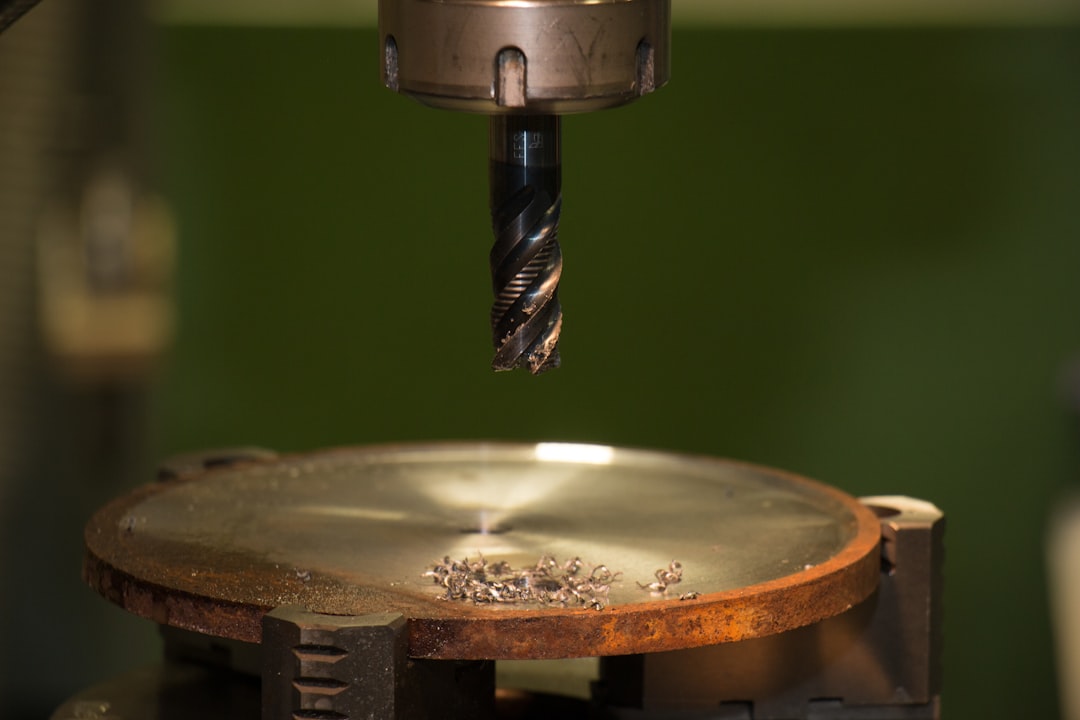
CNC Turning is a subtractive machining process where a blank, typically a metal rod, is mounted on a rotating chuck. Material is then removed using stationary cutting tools to achieve a desired shape. This technology is ideal for manufacturing parts that require symmetry along their center axis.

At TMC Technologies, we utilize advanced Computer Numerical Control (CNC) equipment for our precision turning services. This allows us to work to precise specifications, shape materials into exact dimensions, and consistently produce high-quality parts.

Examples of Turning Effect of Force

Turning effects of force are evident in everyday life. For instance, a worker applying force to rotate a nut using a spanner, or a person pushing a swing resulting in it rotating about its pivot, are examples of turning effects of force. In the same vein, when manufacturing, a cutting tool applies force to the stationary blank, creating a desired shape.

The Role of Turning in Manufacturing

Turning plays a significant role in manufacturing, especially when it comes to producing parts for industrial machinery. The process is renowned for its precision and speed, making it an ideal choice for both short and long production runs. Additionally, turning is versatile, allowing for the creation of a wide range of geometric designs.

Here at TMC Technologies, we rely heavily on CNC turning for the production of high-quality components. The precision, repeatability, and cost-effectiveness of this process ensures we meet the exact specifications of our customers.

Applications of Turning

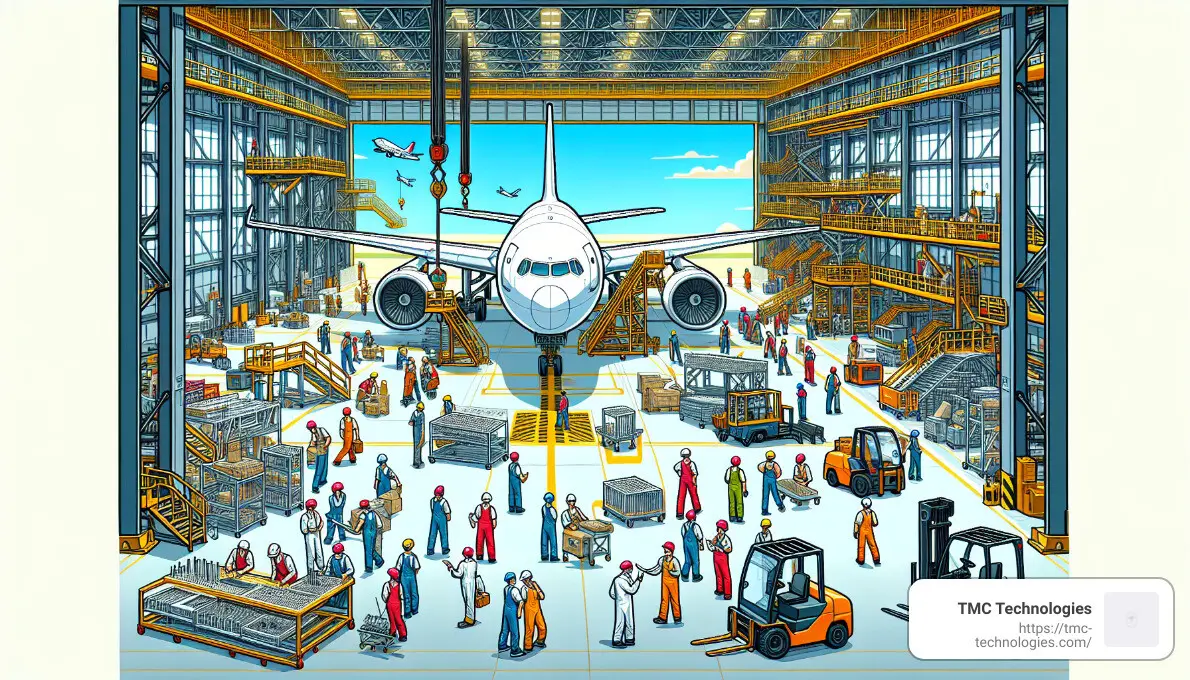
Turning finds its applications in a wide range of industries including aerospace, automotive, medical, and defense. Each of these sectors relies heavily on precision-machined components. In the aerospace industry, for instance, turning is used to craft safe, reliable parts for aircraft. Similarly, in the medical field, where precision and reliability can directly impact patient health, turning is an essential process.

No matter what sector your business is in, if you need finely-tuned, intricate parts, precision turning should be a key pillar of your manufacturing strategy. At TMC Technologies, we have made precision turning central to our operations, ensuring that we deliver only the best to our customers.

Comparing Top Turning Services

When selecting turning services, it’s crucial to consider the specific needs of your project. Here is a comparison of the top turning services available in the market.

Great Lakes Forge: Customized CNC Turning Services

Great Lakes Forge offers CNC turning services that can transform a raw metal chunk into a custom finished product according to your project’s specifications. They work with various materials, including carbon steel, alloy steel, and stainless steel. They ensure part customization with short lead times and a promise of superior customer service.

Turn Services: Waterborne Transportation Solutions

Turn Services, although not a traditional CNC turning service, they have a fleet of pushboats and locations on the Mississippi River and Gulf Intracoastal Waterway. They’ve been in operation for over 31 years, providing waterborne transportation solutions.

CNCSheet Metal Manufacturing: Rapid Prototyping Services

If you’re looking for rapid prototyping services, CNCSheet Metal Manufacturing might be a good fit. While they’re not specifically a turning services company, they offer various services in the realm of manufacturing and prototyping.

Hubs: High Standards for CNC Turning

Hubs is an online platform that connects users to a network of CNC turning service providers. They offer a convenient process for comparing costs, checking reviews, and communicating with service providers directly on their platform.

TMC Technologies: High-Quality CNC Lathe Parts and Additional Machining Services

Here at TMC Technologies, we not only manufacture parts but also offer a range of additional machining services, including design & CAD services, fabrication & assembly, and supply chain management.

Our team of expert technicians provides a wide range of CNC Turning services to produce a custom part or component that is unique to your specifications. We understand that every manufacturing need is unique, and we offer custom applications and tool designs to cater to your specific requirements.

In addition, we utilize premium quality materials to manufacture custom parts and components based on your project’s exact specifications. Furthermore, we can handle multiple projects simultaneously, accommodating both small-scale and large-scale orders. We are committed to providing you with high-quality, consistent results, irrespective of the complexity of the components.

To sum up, when choosing a turning service, it’s important to consider the provider’s capabilities, quality of service, and additional offerings. TMC Technologies is your trusted partner for high-quality CNC turning services, ensuring the best results for your project.

Advantages of CNC Turned Parts

When it comes to industrial manufacturing, CNC turned components provide a host of advantages. Let’s explore some of the key benefits that make CNC turning services an instrumental part of industries across the board.

Precision and Rapid Turnaround

The first advantage worth mentioning is precision. CNC turning allows us to achieve high accuracy and repeatability, ensuring the components are created to meet exact specifications. This level of precision eliminates the possibility of human error, resulting in minimal defects and a higher quality final product.

Additionally, CNC turning services provide a rapid turnaround. With computer numerically controlled machining, we can significantly increase production speed, making it a suitable choice for both short and long runs. Plus, the use of advanced techniques such as multi-axis CNC machining saves substantial setup time and reduces the potential for errors during part repositioning, leading to faster production times.

Custom Finishes and Cost-Effectiveness

CNC turning services offer the ability to create custom finishes. Whether you require a smooth finish or a specific surface roughness, CNC turning can achieve the desired result with high efficiency.

Furthermore, CNC turning services are cost-effective. With CNC turning, a single operator can manage multiple machines, significantly reducing labor costs compared to traditional or manual machining. Additionally, the efficient use of raw materials minimizes waste, making your manufacturing processes more sustainable and budget-friendly.

Scalability and Versatility

CNC turning provides scalability, enabling us to run high volume production without sacrificing precision or quality. This is particularly helpful when you need large quantities of parts with consistent quality and dimensions.

Lastly, CNC turning is versatile. It can work with a variety of raw materials, including metals like aluminum, stainless steel, and titanium, to create high-quality parts with accuracy and precision. This versatility extends to the range of parts that can be made using CNC turning, from simple cylindrical parts to more complex shapes.

At TMC Technologies, we harness these advantages to deliver top-tier quality components and additional machining services for custom applications. We understand that different industries have varied needs. Whether you’re in automotive, aerospace, or any other industry, we’re here to help you harness the power of CNC turned components to enhance your operations and drive your success.

Understanding CNC Turning Tolerances and Design Guidelines

In turning services, precision is paramount. This is where understanding CNC turning tolerances and design guidelines becomes crucial.

ISO 2768 Standards for CNC Turning Tolerances

One of the key aspects in achieving precision is adherence to international standards. In the context of CNC turning, we at TMC Technologies strictly follow ISO 2768 standards for machining tolerances.

These standards define the limits for nominal sizes for both metals and plastics, ranging from 0.5mm to over 4000mm. For instance, for a nominal size of 0.5mm to 3mm, the tolerance for plastics is ±0.1mm and for metals, it’s ±0.05mm.

By adhering to these internationally recognized standards, we ensure that every part we manufacture meets precise specifications, thus delivering consistent quality to our customers.

ISO 2768 Standards - turning services

Recommended Sizes for Features in CNC Turning

When designing for precision CNC turning, there are certain recommended and feasible sizes for the most common features of parts. For instance, the minimum feature size recommended is Ø 2.5 mm, but a feasible size down to Ø 0.50 mm can be achieved.

Similarly, for internal edges, an R 8 mm is recommended while an R 0.25 mm is technically feasible. These guidelines ensure that the parts produced are of high quality and fit for their intended use.

Importance of In-House Quality Checks

At TMC Technologies, we believe that quality control is an integral part of the manufacturing process. To ensure that every part we produce adheres to the order’s specifications and our high standards, we perform thorough in-house quality checks.

After machining is done, the parts can undergo a post-processing process, to improve the properties of the surface or achieve nicer, cosmetic looks, as specified by the customer’s requirements.

Every part is then inspected to ensure it meets our high standards of precision manufacturing. This rigorous inspection process guarantees the conformity of the parts and assures the quality of every order before it’s sent out.

In conclusion, understanding CNC turning tolerances and design guidelines is key to ensuring precision and quality in turning services. At TMC Technologies, we’re committed to delivering top-tier quality components that meet and exceed these standards.

Post-Processing and Surface Finishes in CNC Turning

The journey of creating CNC turned parts doesn’t end with the final cut. Post-processing and surface finishing play a crucial role in enhancing the performance and cosmetic features of the machined parts. At TMC Technologies, we understand the importance of these steps and incorporate them into our advanced turning services.

Enhancing Performance and Cosmetic Features

The post-processing stage of CNC turning involves removing any burrs or rough edges left from the machining process. This stage is essential as it not only enhances the aesthetic appeal of the part but also improves its performance and durability.

Surface finishes, on the other hand, not only add visual appeal but also serve a practical purpose. They can boost the strength, wear resistance, and corrosion resistance of the parts, enhancing their lifespan and overall performance.

The aerospace industry, for instance, commonly employs four types of surface finishes: anodizing, passivation, polishing, and powder coating. Each of these treatments has unique benefits. Anodizing forms a protective oxide layer on the part’s surface, improving its resistance to corrosion. Polishing enhances the material’s durability by reducing the chance of chipping or cracking.

At TMC Technologies, we recognize the importance of surface finish in the overall quality and performance of the parts we produce. We ensure that our CNC machining processes are complemented with the appropriate surface treatments to meet the rigorous standards of various industries.

Post-Processing Processes for Improved Surface Properties

In our turning services, we utilize various post-processing processes to improve surface properties and meet our clients’ specifications. Some of these include deburring, grinding, and polishing, which can improve the surface finish of the metal parts.

We also provide additional services such as anodizing, plating, and painting. Anodizing and plating can boost the strength, wear resistance, and corrosion resistance of the parts. Painting or powder coating, on the other hand, can add color to the part, enhancing its aesthetic appeal.

At TMC Technologies, our commitment to producing high-quality CNC turned parts doesn’t end once the machining process is done. We put in the extra effort to ensure that our parts meet the desired surface quality through our comprehensive post-processing and surface finishing methods.

In the end, the goal of our turning services is to deliver parts that not only meet your specifications but also exceed your expectations in terms of quality, precision, and performance.

Conclusion

The Future of Turning Services

In the ever-evolving world of manufacturing, turning services continue to play a pivotal role. As we look towards the future, the landscape of turning services is filled with endless possibilities and opportunities. Enhanced precision, efficiency, and versatility offered by advanced machines are set to drive the next wave of manufacturing excellence .

At TMC Technologies, we are committed to staying at the forefront of this transformation. We continuously embrace digital innovation and adapt to new technologies, ensuring that we can continue to provide the highest quality parts and the most reliable services to our customers.

Making the Right Choice for Your Turning Services Needs

Choosing the right turning service provider is a crucial decision that can significantly influence the success of your projects. It requires careful evaluation of several factors, including the provider’s expertise and experience, the quality of their machinery and technology, the range of services they offer, and their commitment to quality and precision .

At TMC Technologies, we understand the importance of these factors and strive to provide them all to our clients. With our extensive experience, advanced capabilities, comprehensive service offering, unwavering commitment to quality, and exceptional customer support, we are confident that we can meet and exceed your turning services needs.

As a trusted partner in your manufacturing journey, we are ready to provide you with the tools, expertise, and services you need to succeed. Whether you are seeking precision turning services, custom CNC fabrication, or advanced machining components manufacturing, we are here to help you achieve your manufacturing goals.

Thank you for considering TMC Technologies for your turning services needs. We look forward to working with you and helping you navigate the future of turning services. Explore our website for more information on our services and capabilities.
turning services - turning services

In conclusion, turning services are a vital aspect of the manufacturing industry. By selecting the right partner, you can ensure the success of your projects, delivering high-quality, precise, and cost-effective parts. As we look towards the future, we at TMC Technologies are dedicated to advancing our services, staying at the forefront of technological advancements, and ensuring that we continue to meet our clients’ needs.
5 Keys to the Perfect Aluminum Precision Machining Service

Introduction

Ever been stuck in the difficult spot of needing high-quality, precision machined parts for your manufacturing project, and yet unsure of exactly where to find reliable suppliers? Well, you’re certainly not alone in maneuvering this challenging terrain. This need underscores the crucial role that aluminum precision machining plays in modern manufacturing.

Brief Overview of Aluminum Precision Machining

With the striking combination of strength, versatility and speedy machinability, aluminum stands as one of the most coveted material selections in the realm of precision machining. When put under the lens of a Computer Numerical Control (CNC) system, aluminum transforms from a simple piece of metal into an assortment of complex shapes and parts with a level of accuracy that’s hard to match.

Importance of Aluminum in CNC Machining

The crucial attribute of aluminum being a lighter, yet formidable alternative to steel, combined with its high corrosion resistance and excellent strength-to-weight ratio, puts it at the forefront of various applications. This spans from the aerospace and automotive sectors to electronics, healthcare, and construction. As we dive deep into aluminum precision machining, we at TMC Technologies understand the pivotal role this process plays across various industries.

To give a quick snapshot of its importance, here are a few points:
High machinability: Aluminum can be machined three to four times faster than most common machining materials, streamlining manufacturing processes.
Versatility: Its flexibility, strength-to-weight ratio, and adaptable nature make it suitable for numerous applications.
Cost-effective: Aluminum is less expensive compared to other materials such as steel and titanium, making it a preferred choice in manufacturing.
Environment-friendly: Being 100% recyclable, aluminum is an eco-friendly material, contributing to sustainable practices in manufacturing.

Infographic depicting the benefits of Aluminum in CNC Machining - aluminum precision machining infographic pillar-4-steps

Key 1: Understanding the Properties of Aluminum

When it comes to precision machining, understanding the properties of the material you’re working with is critical. In this case, aluminum offers a unique set of properties that make it ideal for numerous applications.

Aluminum’s Machinability and Durability

Aluminum’s machinability is one of its primary advantages in the realm of CNC machining. It chips easily, making it more “free machining” than other metals. This means the cutting tool spends more time and effort cutting the work-piece, instead of the chips it has just created. This ease of use with machining allows for the creation of even the most complex shapes, making it a popular choice across various industries.

In addition to its machinability, aluminum is also durable. Its strength and hardness make it suitable for applications that demand a high level of resilience. For instance, Aluminum 2014, a hard and heat-treatable aluminum alloy, is regularly used in the aerospace industry due to its strength.

Aluminum’s Strength, Hardness, and Heat Tolerance

Aluminum is not only light but also strong, showing an excellent strength-to-weight ratio. Its heat tolerance is another notable property, making it resistant to low temperatures. This means that the machining process is more flexible, allowing aluminum to be used in various environmental conditions.

Aluminum 2024, for instance, exhibits remarkable fatigue resistance, making it common in vehicles and electronic components. Similarly, Aluminum 7075 is slightly stronger than other alloys and has very good fatigue resistance, making it ideal for applications that undergo cyclic loading.

Aluminum’s Corrosion Resistance and Electrical Conductivity

Aluminum’s anti-corrosive qualities are another significant advantage. It helps protect the material from oxidation, ensuring that your parts will serve you for a long time. For instance, Aluminum 5052, though not heat-treatable, has a high resistance to corrosion, making it suitable for underwater applications.

In terms of electrical conductivity, aluminum exhibits excellent qualities, making it suitable for uses similar to copper and other conductive materials. This makes it a popular choice in the electronics industry.

Understanding these properties helps us at TMC Technologies to effectively utilize aluminum to its full potential, ensuring the quality and durability of the parts we produce. In the next section, we’ll discuss how to choose the right aluminum alloy for machining.

Key 2: Choosing the Right Aluminum Alloy for Machining

Choosing the right aluminum alloy for your project is an essential step in the aluminum precision machining process. The correct alloy will ensure the part’s durability, strength, and compatibility with your application.

Overview of Popular Aluminum Alloys like 6061 and 7075

Aluminum alloys come in many forms, but two of the most popular for CNC machining are 6061 and 7075.

Aluminum Alloys - aluminum precision machining

6061 is a versatile alloy with excellent machinability and weldability. It’s known for its good mechanical properties and is commonly used for products such as yachts, automotive parts, flashlights, and even airplane parts.

7075, on the other hand, is known for its strength. It’s often used in aerospace applications due to its high stress-resistance, making it perfect for parts that need to withstand high pressure or force.

Choosing between these alloys depends on your specific needs and the part’s intended use.

Why 6061-T6 is the Standard Grade for CNC Machining

The 6061-T6 grade is one of the most commonly used aluminum alloys in CNC machining. It’s known for its excellent machinability, versatility, and the ability to undergo different heat treatments. This makes it an ideal material for a wide variety of applications.

At TMC Technologies, we often recommend 6061-T6 for projects that require a balance of strength, machinability, and affordability.

The Role of Different Heat Treatments in Aluminum Machining

Heat treatments play a crucial role in improving the performance of aluminum alloys. For instance, heat treating 6061 can increase its yield strength, allowing it to withstand more force before deforming.

Heat treatments can also impact the alloy’s hardness and resistance to wear, making it more durable over time. This is especially important in applications where the part will be subject to constant friction or high temperatures.

In conclusion, choosing the right aluminum alloy and understanding the role of heat treatments are critical steps in the aluminum precision machining process. It’s not just about picking the most expensive or popular option, but understanding your project’s specific requirements and choosing an alloy that best meets those needs. At TMC Technologies, we’re here to guide you through that process and ensure you get the best possible results.

Key 3: The Machining Process and Techniques for Aluminum

When it comes to aluminum precision machining, understanding the various processes and techniques involved can greatly improve the outcome of your project. The machining process you choose can significantly affect the final product’s quality, accuracy, and overall performance.

Overview of CNC Machining, Swiss Screw Machining, and Milling

At TMC Technologies, we make use of advanced machining technologies to provide optimum results. Chief among these is CNC machining, a manufacturing process that uses pre-programmed computer software to control the movement of machinery and tools. This process is incredibly precise, allowing for high accuracy and part complexity.

Another advanced technique we employ is Swiss screw machining. Originating from the Swiss watch-making industry, this process is renowned for its high precision and accuracy, making it perfect for manufacturing small parts with very tight tolerances. Today, our Swiss machining process has evolved to include computer-controlled Swiss CNC machines, further enhancing its precision and versatility.

Milling, another method we use, involves removing material from a workpiece while it’s held stationary. We employ both vertical and horizontal milling depending on the specific needs of the project.

The Role of High-Speed Production Saws in Aluminum Cutting

In addition to these advanced machining methods, we also utilize high-speed production saws for aluminum cutting. These saws cut at speeds from 3,500–8,500 FPM, enabling us to quickly and accurately cut aluminum components to the desired size.

The Importance of Precision and Tight Tolerances in Aluminum Machining

The ultimate goal of any aluminum precision machining project is to achieve the highest level of precision and maintain tight tolerances. This ensures that the final product is accurate, consistent, and of the highest quality possible. Precision is essential to avoid inaccurate contours, inconsistent dimensional tolerances, or even damage to the material itself.

At TMC Technologies, we understand the importance of precision. We use advanced CNC machines with state-of-the-art tooling systems to consistently deliver superior quality results. We pride ourselves on our commitment to precision, ensuring that we meet and exceed your CNC machining needs, from prototyping to full production runs.

In conclusion, the key to a successful aluminum precision machining project lies in understanding the various machining processes and techniques, and choosing the right one for your specific needs. At TMC Technologies, we have the expertise and equipment to guide you through this process and deliver outstanding results.

Key 4: The Role of Finishing in Aluminum Precision Machining

Delivering a perfect aluminum precision machining service goes beyond just the cutting and shaping. It also involves the finishing touches that enhance the surface quality and durability of the machined part. One such finishing method is anodizing, which significantly improves the part’s corrosion resistance and overall appearance.

An Overview of Anodizing as a Finishing Option

Anodizing is a common finishing technique used in aluminum precision machining. It involves creating a protective oxide layer on the aluminum part’s surface, which not only boosts its resistance to corrosion but also enhances its aesthetic appeal. This process is particularly crucial in industries such as aerospace where parts must withstand extreme conditions and still maintain their functionality and appearance.

At TMC Technologies, we recognize the importance of anodizing in aluminum machining and have incorporated it into our service offerings. We ensure that each machined part undergoes the appropriate anodization process to meet the rigorous standards of different industries.

The Different Types of Aluminum Anodizing: Type I, II, and III

There are three main types of anodizing available for aluminum parts: Type I (Chromic Acid), Type II (Sulfuric Acid), and Type III (Hard Anodize or Hardcoat).

Type I, which provides a thin but durable coating, is commonly used for welded parts and assemblies. It serves as an effective primer before painting.

Type II is harder than Type I and offers an exceedingly robust finish. This is ideal for parts that need to withstand heavy usage or harsh conditions, such as carabiner hooks, motorcycle parts, and hydraulic valve bodies.

Type III is the thickest and hardest anodize available. It’s widely used in industries such as automotive, aerospace, heavy equipment, and general manufacturing, where parts are exposed to extreme conditions.

The Benefits of Anodizing for Corrosion Protection and Appearance Enhancement

Anodizing offers numerous benefits, the key ones being strong corrosion protection and an enhanced overall appearance of metal parts. By forming a protective oxide layer, anodizing makes the aluminum parts more resistant to rust and corrosion, thereby extending their lifespan. This process also enhances the part’s aesthetic appeal by adding a durable, shiny finish.

At TMC Technologies, we understand the value that anodizing adds to aluminum precision machining. We ensure that each machined part is anodized appropriately to enhance its durability and appearance, thereby delivering high-quality, reliable parts that meet the stringent demands of various industries.

Key 5: The Importance of Choosing the Right Machining Service

After understanding the properties of aluminum, the right alloys, machining processes, and the role of finishing, the final key is choosing the right machining service. The service provider you choose for your aluminum precision machining needs can significantly influence the success of your projects.

The Unique Selling Proposition of TMC Technologies

At TMC Technologies, we stand out in the crowded field of CNC machining services. Our unique selling proposition lies in our uncompromising commitment to quality, advanced capabilities, comprehensive service offering, and exceptional customer support. We understand the importance of these factors and strive to provide them to all our clients.

We not only offer precision machining but also provide value-added services like design optimization and material selection advice. By doing so, we ensure that you can rely on us for multiple steps in your manufacturing process, thereby enhancing your company’s efficiency and potentially reducing costs and lead times.

The Benefits of Custom Manufacturing Capabilities

Our custom manufacturing capabilities allow us to cater to unique client requirements. Whether it’s a one-off aluminum prototype part or large quantity parts, we can handle it. We have 40 machines at our disposal and can take your project from engineering design to delivery faster than our competitors.

In addition, we offer industry-best pricing. Our advanced machinery and technology allow us to offer competitive prices that can match any offer. This ensures that you receive top-quality aluminum parts at the best price.

The Importance of Quality Management in Aluminum Precision Machining

Quality management is at the heart of our operations at TMC Technologies. Our team of experienced engineers adheres to the highest industry standards and employs robust quality control measures to ensure the accuracy and quality of the machined parts.

We service industries like aerospace and medical, which require parts with tight tolerances. We use precise tool holders and tools to ensure optimal precision and accuracy.

Furthermore, we offer a wide range of coatings and finishes for your parts depending on your project requirements. This ensures that your parts not only meet functional requirements but also aesthetic ones.

Choosing the right aluminum precision machining service is a critical decision. At TMC Technologies, we understand the importance of this decision and are committed to delivering the highest quality service. From the initial design to the final delivery, our team is dedicated to ensuring your project is a success.

Conclusion

The Future of Aluminum Precision Machining

As we look to the future, it’s clear that aluminum precision machining will continue to play a vital role in various sectors – from aerospace to automobile manufacturing, industrial machinery, and electronics. The demand for lightweight, durable, and cost-effective materials like aluminum is predicted to rise. As such, precision machining services will need to keep up with this demand by continuously innovating and leveraging advanced technologies.

The exciting future of aluminum precision machining is not only driven by technological advancements, but also by the dedication, expertise, and commitment to quality displayed by industry leaders. This commitment to innovation and excellence is what keeps the industry moving forward and allows businesses to produce high-quality, reliable components.

How TMC Technologies is Leading the Way in Aluminum Precision Machining

At TMC Technologies, we are not just witnessing the future of aluminum precision machining; we are actively shaping it. Our embrace of advanced technologies, coupled with our commitment to delivering unmatched quality, places us at the forefront of the precision machining industry.

We specialize in various aluminum alloys such as 6061-T6 and 7075-T7, delivering superior results consistently. Our state-of-the-art CNC machines, coupled with our experienced engineering staff, allow us to produce precision machined components that meet close tolerances with impeccable surface finishes.

When you choose TMC Technologies for your CNC machining needs, you are choosing a partner dedicated to your success. We offer not just high-quality CNC components but also a range of additional services like welding, die casting, and molding.

In conclusion, the future of aluminum precision machining is promising, and at TMC Technologies, we are ready to help you unlock success with our precision machining service. Discover more about our expertise and how we can assist you in your next project.

Aluminum Precision Machining - aluminum precision machining

For further reading, learn more about our precision medical machining or explore our high precision CNC machining capabilities.

Revolutionizing Healthcare with Medical Device CNC Machining

Introduction

Ever wondered how the intricate medical devices so critical to our health are precisely manufactured? How do companies ensure the quality and accuracy necessary in an industry where a slight error may mean the difference between life and death? The answer lies with Medical Device CNC Machining. This method, short for Computer Numerical Control machining, provides precision, versatility, and the ability to manufacture complex details essential for the medical industry.

It’s a game-changing technology that’s enhancing manufacturing processes across a multitude of sectors, most notably healthcare. In an environment where there’s no room for error, let alone inconsistency, CNC machining has stepped in to effortlessly meet these non-negotiable demands. Qualities like precision, scalability, and consistency not only make this technology appealing but also indispensable for high stakes industries like healthcare.

At TMC Technologies, we understand the gravitas of our role as medical machining experts in this critical industry. Our services guarantee accurate fabrication, ensuring the efficacy and performance of the resulting medical equipment.

The following table succinctly presents the key services provided by TMC Technologies:

Services TMC Technologies
Range of services Design & CAD services, Fabrication & Assembly, Precision Machining, Supply Chain Management
Experience Over 20 years in the field
Precision High-quality, detail-oriented components
Efficiency Swift production time maintaining close attention to quality
Reliability Consistent output, meeting or exceeding client expectations

Infographic explaining the benefits of CNC Machining in the medical industry - medical device cnc machining infographic top-10-table

This engaging infographic encapsulates why the medical industry depends and benefits substantially from CNC machining: from its ability to handle a wide variety of materials, produce complex geometries to its promise of high-volume production. The precision and speed offered by CNC machining have made it an invaluable tool in manufacturing medical devices, directly contributing to enhanced patient care. Stay with us as we elaborate on the importance, role, benefits and future trends of CNC machining in the thriving medical industry.

The Demand for CNC Machining in the Medical Industry

Why CNC Machining is in High Demand in the Medical Industry

The high demand for CNC machining in the medical industry is largely driven by its ability to deliver exceptional precision and versatility. Medical devices require intricate components that can be made to exact specifications, and CNC machining fits the bill perfectly.

From surgical instruments to electronic medical equipment, medical devices are nothing short of complex. They often require components with tight tolerances and unique geometries, which are hard to achieve through conventional machining.

CNC machining stands out as it allows the production of these complex parts with impressive accuracy and speed, even on a large scale. That means manufacturers can meet the ever-growing demand for medical devices without compromising on quality.

Moreover, CNC machining adheres to the strictest standards of precision and quality demanded by the medical field. In an industry where the slightest error can result in significant consequences, CNC machining provides the level of precision required, thus mitigating the risk of errors.

The Difference Between CNC and Conventional Machining

While conventional machining can be cost-effective for small jobs, CNC machining is more efficient for larger jobs. With conventional machining, the process involves manually controlling the machines and tools. This approach can be time-consuming and has a higher risk of error.

On the other hand, CNC machining uses computers to control the machine tools, ensuring a higher level of accuracy and efficiency. This method is particularly beneficial when producing a high volume of parts, as it can maintain consistent quality across all products. Therefore, while CNC machining may be more expensive for small jobs, it offers significant efficiency and cost savings for larger jobs.

Materials Suitable for CNC Machining in Medical Devices

A wide range of materials can be used in CNC machining for medical devices. These include metals such as aluminium, steel alloys, stainless steel and brass, as well as plastics like ABS, polycarbonate, nylon, POM and PEEK.

Materials like stainless steel, aluminum, and titanium are often used in the creation of durable, high-quality medical devices that can withstand the rigors of medical use. At TMC Technologies, we often work with these materials given their suitability in the medical field.

In conclusion, the medical industry’s high demand for CNC machining is a testament to its ability to deliver precision, versatility, and efficiency. It enables the production of high-quality medical devices that enhance healthcare delivery. As we continue to advance in medical device CNC machining, we remain committed to exceeding the stringent standards of the medical field.

The Benefits of CNC Machining for Medical Devices

In the ultra-precise world of medical devices, every micro-inch counts. The ability to produce accurate, reliable components is not just desirable, it’s absolutely crucial. This is where the merits of CNC (Computer Numerical Control) machining come into sharp focus.

Precision and Accuracy of CNC Machining

One of the fundamental advantages of CNC machining is its unrivaled precision and accuracy. Complex medical devices often demand extraordinarily tight tolerances, a feat easily accomplished with our advanced CNC machines. Our machines consistently produce parts with dimensional tolerances within ±0.0001 inches, highlighting the precision that CNC machining brings to the table.

Moreover, CNC machining ensures consistent output. This means that whether we’re manufacturing the first or the thousandth part, the quality and dimensions remain uniform. This level of consistency is vital in the medical industry, where even the slightest variation could lead to significant consequences.

Versatility and Volume Production Capabilities of CNC Machining

CNC machining is not only precise but also versatile. Our advanced machines can handle a wide array of materials, from metals such as titanium to plastics like PEEK, making them ideal for producing a diverse range of medical parts and devices.

Additionally, CNC machining shines when it comes to volume production. Once a CAD (Computer-Aided Design) file is created, any number of parts can be manufactured at the push of a button. This capability is especially beneficial when producing high quantities of single-use or custom parts, a common requirement in the medical field.

Time and Cost Efficiency of CNC Machining

In a sector where time is critical, the speed of CNC machining is a significant advantage. Transitioning from a digital CAD file to a finished product can take just a few hours with CNC machining. This rapid production pace proves invaluable during medical emergencies when the required supplies and their quantities can be unpredictable.

Moreover, CNC machining is cost-effective. The machines can use tools repeatedly, inhibiting the escalation of production costs. This efficiency, combined with the speed of production, results in significant time and cost savings in the long run.

In conclusion, the precision, versatility, and efficiency of CNC machining make it an ideal choice for medical device manufacturing. As we continue to innovate and improve our processes, we remain committed to delivering top-tier quality components that meet the stringent requirements of the medical industry.

Applications of CNC Machining in the Medical Industry

CNC machining’s precision and consistency are integral to various applications within the medical sector. Let’s delve into some of the key areas where medical device CNC machining has made a significant impact.

Production of Surgical Instruments

CNC machining produces high-grade surgical instruments used by medical professionals during operations. These include surgical scissors, blade handles, biopsy tubes, cutters, implant holders, and forceps.

The beauty of CNC machining lies in its ability to manufacture these instruments with impeccable precision and adherence to strict safety requirements. This includes ease of sterilisation, a critical factor in the medical field.

Whether it’s short production runs or individual patient-specific fabrication, CNC machining is the go-to approach due to its cost-effectiveness and high precision.

Creation of Micromachined Medical Parts

When it comes to manufacturing extremely small medical parts, micromachining stands out. These tiny parts are primarily used in implantable devices, drug-delivering technologies, and exploratory surgical tools.

Micromachining can produce intricate components such as stents, pacemaker parts, catheters, drug delivery systems, and miniature screws for implants and devices. The high precision levels provided by CNC machining, even for components under 50 microns, are crucial in this process.

Manufacturing of Electronic Medical Equipment

Apart from simple devices like surgical instruments, CNC machines can also manufacture parts for complex equipment such as heart rate monitors, X-ray machines, and MRI scanners. These pieces of equipment comprise thousands of individual parts, most of which can be fabricated using CNC machines.

The parts range from small components like buttons, switches, and levers to larger items such as monitor housings. All these components must offer unparalleled precision to eliminate the risk of machine failure, especially since medical apparatus are frequently moved around hospitals.

Development of Medical Implants

CNC machining has had a significant impact on the production of bodily implants, such as knee implants and hip replacements. Typically, medical professionals only need implants in limited quantities. Therefore, injection molding processes, which are expensive, would be uneconomical to employ.

However, with CNC machining, the tools used can be utilized repeatedly, which prevents production costs from escalating. This, combined with our precision medical machining, makes us at TMC Technologies a preferred provider for medical implants.

In conclusion, the applications of CNC machining in the medical industry are vast and essential. Its ability to produce high-precision components while maintaining consistency makes it a tool in healthcare. At TMC Technologies, we are proud to be part of this revolution, contributing to the advancement of medical technology and improving patient care.

TMC Technologies’ Expertise in Medical Device CNC Machining

TMC Technologies’ High-Quality CNC Components

As a leader in the CNC machining industry, we at TMC Technologies pride ourselves on delivering high-quality, precision-machined components that form the backbone of various medical devices. Our expertise in medical device CNC machining is backed by over 20 years of experience, allowing us to create components that meet the exacting standards of the healthcare sector.

We understand the critical nature of the components we produce. A slight error in the production of a surgical tool or medical device can have significant consequences. Hence, we leverage our extensive experience and the latest CNC machining technologies to ensure absolute precision and accuracy in every component we produce, mitigating the risk of such errors.

TMC Technologies’ Unique Selling Proposition

What sets us apart in this highly competitive industry is our unwavering commitment to precision, quality, and customer satisfaction. We don’t just promise high-quality CNC components – we deliver them, consistently and reliably. Our unique selling proposition lies in our ability to provide tailored solutions based on our clients’ unique needs.

Additionally, we are ISO 13485 and 9001 certified, demonstrating our commitment to maintaining the highest quality management principles and adhering to international standards in medical device manufacturing. This certification assures our clients that we meet the stringent safety and reliability standards required in the medical industry.

TMC Technologies’ Additional Machining Services

But we don’t stop at producing high-quality components. At TMC Technologies, we offer a comprehensive range of additional services that set us apart. This includes tool design and fabrication services for custom applications, grinding, various secondary operations, heat treating, and light fabrication/assembly.

By offering these additional services, we position ourselves as a one-stop-shop for all your CNC needs, providing convenience, efficiency, and peace of mind. We are more than just a manufacturer – we are a reliable partner that understands your needs, values quality, and delivers precision.

Our commitment to our clients goes beyond the immediate task at hand. We guide our clients through the CNC machining process, from design to production, ensuring they understand each phase of the process. This hands-on approach allows us to build strong, lasting relationships with our clients, proving that TMC Technologies is the ideal partner for medical device CNC machining.

The Future of CNC Machining in the Medical Industry

As we look ahead, the future of medical device CNC machining is exciting and filled with potential. We see two main areas where CNC machining will continue to make significant strides in the medical industry: digital manufacturing for rapid development, and personalization of healthcare products.

The Role of Digital Manufacturing in Accelerating Medical Device Development

One of the significant advantages of CNC machining is its compatibility with digital manufacturing. This technology allows for rapid prototyping, bridge tooling, and low-volume production, all crucial in accelerating the development of medical devices.

At TMC Technologies, we leverage digital manufacturing to offer speed and precision in our CNC machining services. We provide design for manufacturability (DFM) feedback on every quote and have the ability to prototype in production-grade materials. Our turnaround times are fast, and we can produce low-volume and precise production parts in as little as one day.

As we continue to innovate and invest in the latest technology, we anticipate an even more streamlined and efficient production process. This will allow us to deliver more precise, efficient, and capable services, ultimately reducing costs and time to market for our customers.

The Potential of CNC Machining in Personalizing Healthcare Products

The future of healthcare is leaning towards a more patient-centric approach. This shift is increasing the demand for custom-made implants and prosthetics, requiring a high level of precision and customization. CNC machining has the potential to meet this demand effectively.

CNC machining’s versatility and precision make it ideal for creating highly specialized medical devices and equipment. Whether it’s a one-off or single-use custom part, CNC machining can deliver accurate and high-quality results with no minimum order requirement.

At TMC Technologies, we are excited about the potential of CNC machining in personalizing healthcare products. Our precision machining capabilities enable us to craft custom components that fit each patient perfectly. This commitment to personalization not only improves the quality of care but also enhances patient comfort and satisfaction.

We remain dedicated to leveraging the power of CNC machining to revolutionize healthcare. We are not just manufacturers; we are partners in progress, shaping the future of healthcare with every CNC machined part. We look forward to contributing to the advancements in medical device CNC machining and continuing to deliver the highest quality CNC machined parts for our clients.

Conclusion

The Continued Importance of CNC Machining in Revolutionizing Healthcare

The transformative potential of medical device CNC machining in the healthcare sector cannot be overstated. It is an integral part of the manufacturing processes that create the tools, implants, and equipment used daily in medical procedures. With the ability to produce parts with intricate geometries, exceptionally tight tolerances, and in high quantities, CNC machining is vital to meet the growing demand for advanced medical devices.

Moreover, the adaptability of CNC machining, combined with advancements in digital manufacturing and CAD systems, allows for faster development and customization of medical devices. This is particularly beneficial in personalized healthcare, where the need for customized solutions is paramount. The future of healthcare relies heavily on these technologies, and we anticipate that CNC machining will continue to play a key role in the industry’s evolution.

TMC Technologies’ Commitment to Advancing Medical Device CNC Machining

At TMC Technologies, we recognize the critical role we play in this transformative journey. Our commitment to advancing medical device CNC machining is unwavering. We strive to maintain the highest quality standards, ensuring that every component we produce is accurate, reliable, and durable. Our dedication to precision, efficiency, and reliability is reflected in every product we manufacture.

Our ISO 9001:2015 certification guarantees that our processes and products adhere to the highest quality standards. Further, our precision machining services guarantee the accurate fabrication of components that contribute directly to the performance and longevity of a wide range of medical devices.

As the medical sector continues to evolve, we are eager to meet the challenges head-on, leveraging our expertise to provide the most advanced, efficient, and precise machining services available. We understand the stakes are high, and we are proud to be at the forefront of this exciting revolution.

At TMC Technologies, we don’t just manufacture parts; we are partners in progress, shaping the future of healthcare with every CNC machined part. We are excited about what the future holds and look forward to contributing even more to the advancements in medical device CNC machining.

To learn more about our services and how we can support your manufacturing needs, visit our precision machining page or contact us today.

medical cnc machining - medical device cnc machining

Unlocking Innovations with Precision Medical Machining

Introduction to Precision Medical Machining

Do you ever wonder about the backbone of manufacturing in the medical industry? The secret lies in precision medical machining. It might sound like an overly complex concept, but it’s as straightforward as it is essential in the creation of precise, durable, and high-quality parts for various medical applications.

Definition and Importance of Precision Medical Machining

Precision medical machining is an advanced manufacturing process that utilizes computerized machine tools, such as Computer Numerical Control (CNC) equipment, to create complex parts with incredible accuracy. It is a meticulous process that involves shaping large pieces of materials into precise, smaller parts to meet strict specifications. This process is used to make parts for different types of medical devices ranging from surgical instruments to key components in smartphones and laptops.

The Role of Precision Medical Machining in the Medical Industry

In the medical industry, where precision plays a critical role in patient health, precision medical machining stands as an indispensable component. At TMC Technologies, we understand the importance of quality, accuracy, and reliability in manufacturing medical devices. Therefore, we leverage precision medical machining to manufacture top-tier quality components that have the potential to save lives.

In a nutshell:
* Precision medical machining allows manufacturing of extremely accurate parts.
* It uses computer-aided design (CAD) and computer-aided manufacturing (CAM) systems for ultimate precision.
* It reduces human error and increases efficiency.
* Swiss machining, a type of precision machining, can achieve tolerances within ±0.0001 inches – giving testimony to precision machining’s advanced capabilities.

Infographic of Precision Medical Machining Process - precision medical machining infographic step-infographic-4-steps

Understanding the Precision Machining Process

The Role of CNC Machines in Precision Medical Machining

When it comes to precision medical machining, the star of the show is the CNC (Computer Numerical Control) machine. This advanced technology plays a pivotal role in creating highly intricate parts for medical devices. The CNC machine uses CAD (Computer-Aided Design) and CAM (Computer-Aided Manufacturing) systems, making precision machining a computerized process. This ensures that the final product aligns perfectly with the original design specifications, thereby enhancing the reliability and safety of the medical devices we manufacture.

A standout feature of CNC machines is their ability to work on multiple axes. Standard CNC machines work on three axes (X, Y, and Z), but multi-axis precision machining incorporates additional axes. This gives our machines access to a workpiece from virtually any direction, enabling greater precision and detail. This simultaneous operation also saves substantial setup time, significantly reducing the potential for human error that may occur during part repositioning.

The Importance of Precision in Medical Equipment Manufacturing

In the realm of medical equipment manufacturing, precision is not just a goal—it’s a necessity. The medical industry demands stringent standards for safety, accuracy, and long-term reliability. Precision machining meets these requirements head-on, producing components with tight tolerances that are integral to the performance of medical devices.

For instance, the precision machining process can create everything from tiny screws to complex surgical instruments, all while meeting the strict tolerances required by the medical industry. This precision manufacturing can potentially save lives, particularly in industries such as aerospace, where exact specifications are critical.

At TMC Technologies, we understand the importance of keeping up with advancements in micro-machining and miniaturization. With the increasing demand for smaller medical components, we are committed to staying at the forefront of these developments. Our multi-axis and multi-tool machinery, such as CNC Swiss Turning Centers, allows us to produce small, complex parts with improved precision and shorter cycle times, ensuring that we meet the evolving needs of the medical industry.

In conclusion, precision in medical equipment manufacturing is of utmost importance. It not only ensures the safety and reliability of medical devices but also contributes to advancements in medical technology. At TMC Technologies, we are dedicated to providing precision medical machining services that meet and exceed the stringent standards of the medical industry.

The Impact of Precision Medical Machining on Medical Device Manufacturing

Medical device innovation and manufacturing have seen a significant transformation due to the advancements in precision medical machining. As we at TMC Technologies continue to leverage this technology, we are driving change, reducing costs and waste, and pushing the boundaries of what’s possible in medical device manufacturing.

How Precision Medical Machining Contributes to Medical Device Innovation

In the realm of medical device manufacturing, precision is not just expected – it’s mandatory. This is where precision medical machining shines, allowing us to produce highly intricate parts and components with absolute accuracy. Through the use of advanced CNC machinery, we can create everything from tiny screws to sophisticated surgical instruments, all while maintaining the tight tolerances required by the medical industry.

The versatility of precision medical machining is a game-changer in medical device innovation. The ability to work with a variety of materials, including stainless steel, aluminum, and titanium, enables us to create durable, high-quality medical devices that directly impact patient health. As we strive to meet growing demands for smaller medical components, our commitment to staying at the forefront of developments in micro-machining and miniaturization is stronger than ever. This dedication is key to our ability to innovate and deliver cutting-edge medical devices.

The Role of Precision Medical Machining in Reducing Production Costs and Waste

In addition to driving innovation, precision medical machining also plays a pivotal role in reducing production costs and waste. The use of CNC machining not only enables us to produce parts with complex geometries and tight tolerances, but it also ensures consistency between parts. This uniformity is crucial in the medical field, where the slightest deviation can have significant consequences.

Furthermore, the efficiency of CNC machining minimizes waste by reducing scrap from incorrect dimensions or damaged surfaces. This ensures an efficient use of resources and significantly reduces the possibility of human error, enhancing overall quality control in the manufacturing process.

At TMC Technologies, our CNC Swiss machining services, along with our CNC turning and milling, play a vital role in producing complex components with tight tolerances, thereby meeting the exacting demands of our clients in the medical industry.

In conclusion, the impact of precision medical machining on medical device manufacturing is profound – from driving innovation to reducing costs and waste, this technology is an indispensable tool in our arsenal. As we continue to unlock new possibilities in medical device manufacturing, we remain committed to delivering the highest level of precision, quality, and reliability that our clients have come to expect from us.

Precision Medical Machining - precision medical machining

The Role of Precision Medical Machining in the Production of Medical Components

The medical industry relies on a wide array of devices to deliver the best patient care. With precision medical machining, we are able to produce key components with high accuracy, quality, and reliability. This includes everything from non-implantable components and disposable items to highly technical parts.

The Use of Precision Medical Machining in the Production of Non-Implantable Components and Disposable Items

In the medical industry, there’s a constant need for non-implantable components and disposable items. These range from diagnostic equipment and surgical tools to orthopedic devices and more. Through precision medical machining, we’re able to manufacture these components with the utmost accuracy and precision.

For instance, our advanced CNC machinery can produce everything from tiny screws to complex surgical instruments, all while maintaining the tight tolerances required by the medical industry.

Our commitment to quality and precision ensures that the components we produce are safe, reliable, and suitable for long-term use.

The Importance of Precision Medical Machining in the Production of Highly Technical Parts

In addition to non-implantable components, precision medical machining is also vital in the production of highly technical parts. These components often have intricate designs and need to meet strict regulatory standards.

For instance, a Reddit user praises H&H Machining, one of the top medical machining companies, saying it’s the “only machine shop I trust when prototype deadlines are short and the stakes are high, and the parts have to be perfect the very first run.”

At TMC Technologies, we echo this sentiment. We understand the critical importance of precision and reliability in the production of these parts. Our precision medical machining process employs advanced technology like multi-axis CNC machining and Swiss machining to achieve extreme accuracy, even for very complex parts.

In the end, precision medical machining is not just about producing components. It’s about powering the future of healthcare with high-quality, precision-engineered parts that meet the stringent requirements of the medical industry. As we continue to innovate and advance, we remain committed to delivering the level of precision, quality, and reliability that our clients expect and deserve.

The Future of Precision Medical Machining

The future of precision medical machining is intertwined with medical advancements and the rise of personalized healthcare. The role of precision medical machining in shaping less invasive surgical techniques and speeding up the time to bring medical devices to market becomes increasingly important.

The Role of Precision Medical Machining in the Development of Less Invasive Surgical Techniques

The demand for minimally invasive surgeries is on the rise. These surgeries demand smaller and more precise instruments. As a response to this growing need, at TMC Technologies, we leverage our precision medical machining capabilities to manufacture superior precision tools.

Our micro-machining services allow us to manufacture complex medical parts such as custom pins and surgical tools with utmost precision. This enables surgeons to perform minimally invasive surgeries with greater accuracy and success, improving patient outcomes.

In the future, as minimally invasive surgical techniques become more advanced, our precision medical machining capabilities will play an even bigger role in supporting these advancements, contributing to better healthcare outcomes.

The Impact of Precision Medical Machining on the Speed of Bringing Medical Devices to Market

In a fast-paced industry like healthcare, speed to market is crucial. Precision medical machining plays a significant role in accelerating this process. By using advanced CNC machinery, we can produce high-precision parts with tight tolerances quickly and efficiently. This not only reduces production time but also ensures the production of reliable and safe medical devices.

Moreover, precision medical machining also plays a pivotal role in the burgeoning field of personalized medicine. As the demand for custom-made implants and prosthetics increases, our precision machining capabilities enable us to meet this need. By crafting custom components that fit each patient perfectly, we help in bringing personalized medical devices to market faster.

In the words of a satisfied customer from Reddit, we are the “only machine shop I trust when prototype deadlines are short and the stakes are high, and the parts have to be perfect the very first run”.

At TMC Technologies, we are excited about the future of precision medical machining. As we continue to invest in the latest technology and training, we look forward to contributing to advancements in healthcare and helping our clients stay ahead in the ever-evolving medical industry.

Conclusion: The Continued Importance of Precision Medical Machining in the Medical Industry

As we look towards the future, the role of precision medical machining in driving innovation and progress in the medical industry cannot be overstated. This process, which uses advanced CNC technology to create highly accurate and reliable medical device components, is crucial in meeting the stringent requirements of the medical field. As the demand for smaller and more intricate components grows, precision medical machining is set to play an increasingly important role.

The Role of Companies like TMC Technologies in Advancing Precision Medical Machining

At TMC Technologies, we understand the critical role we play in this process. We are not just manufacturers, but partners in progress, shaping the future of healthcare with every CNC machined part we produce. Our commitment to delivering high-quality parts that meet stringent specifications ensures the accuracy, longevity, and safety of medical equipment.

We constantly strive to stay ahead of the curve, investing in the latest technology and training to deliver even more precise and efficient services. Our state-of-the-art CNC machines produce high-precision parts with tight tolerances, contributing to the overall performance and safety of medical devices.

We are proud to be part of this journey and look forward to contributing to advancements in the field. As we navigate the complex terrain of the medical industry, we remain committed to delivering the highest quality CNC machined parts for our clients, helping them stay ahead in the ever-evolving medical industry.

The Future Prospects of Precision Medical Machining in the Medical Industry

Looking ahead, the future of precision medical machining holds immense potential for innovation and growth. With advancements in technology such as AI and machine learning, the future promises even greater precision, efficiency, and versatility in the manufacturing of medical devices.

At TMC Technologies, we are ready to embrace these advancements and trends that promise to enhance precision, boost efficiency, and increase versatility in the manufacturing process. We are excited about the opportunities that digital transformation and innovation will bring to the precision manufacturing industry.

We see ourselves not just as a manufacturer, but as a reliable partner who understands your needs, values quality, and delivers precision. Whether you need high-quality CNC lathe parts or custom fabrication services, TMC Technologies is ready to serve, steadily driving the future of the precision manufacturing industry.

precision medical machining - precision medical machining

For further reading on the role of precision machining in various industries, explore our insights on precision machining in the automotive industry, precision machining in the aerospace industry and the future of precision manufacturing.

Ultimate Checklist for Selecting CAD Design Engineering Services

Have you ever been overwhelmed by the complexity of creating mechanical components that are both durable and precisely designed? If you’re relying on traditional designing methods, achieving accuracy while maintaining the efficiency of work can be challenging. This is where Computer Aided Design (CAD) design engineering comes into play, an innovation that has revolutionized the manufacturing industry with its ability to create accurate designs, improve productivity, and lower production costs.

In the simplest terms, CAD design engineering uses computer software to help design various products or structures, allowing engineers to develop, test, and optimize their designs virtually. It enables you to visualize fully formed two or three-dimensional renderings of your products before they are manufactured. At TMC Technologies, we specialize in leveraging CAD design software like AutoCAD, Solid Works, and Gibbs Cam to deliver exceptional designing and manufacturing services tailored to cater to the unique needs of our customers.

To help you understand CAD design engineering better here are some basic pointers:

  • CAD engineers use CAD software for creating two-dimensional (2D) drawings or three-dimensional (3D) models.
  • They play a crucial role in streamlining the design to manufacturing process.
  • CAD provides a safe design testing and development environment, eliminating the need for an expensive prototype.
  • CAD design engineering is a career sought by creative individuals and can be rewarding with adequate experience and skill.
  • Popular software tools in CAD include AutoCAD, SolidWorks, and MicroStation among others.

As part of our effort to equip you with the essential knowledge of CAD design engineering, we’re providing an illustrative guide:

The steps in the CAD Design Process - cad design engineering infographic process-5-steps-informal

In this infographic, you can clearly track the sequential steps involved in the CAD design engineering process, right from conceptualization and layout designing to the final design review. These steps not only outline the work of a CAD engineer but also underscore the integral role CAD plays in transforming a creative vision into a tangible, functional product.

As we delve into this detailed guide, we aim to clarify your understanding about CAD design engineering and guide you in selecting the best CAD design services tailored to meet your manufacturing needs.

Understanding the Role of a CAD Design Engineer

Before you can decide which CAD design engineering service to choose, it’s crucial to understand what a CAD design engineer does and why it’s a sought-after career choice.

What Does a CAD Design Engineer Do?

A CAD design engineer leverages computer-aided design (CAD) software to create precise 2D or 3D models of products or structures. These computerized models help visualize the final product before it is produced, leading to optimization of the design process and minimizing errors.

At TMC Technologies, our CAD engineers utilize software such as AutoCAD, Solid Works, and Gibbs Cam to collaborate on designs and support our manufacturing needs. Our team can handle projects from inception, including new designs and concepts, to re-engineering existing products or reverse engineering one-of-a-kind components.

CAD engineers are not just designers but also problem solvers. They work closely with clients, understanding their needs, and leveraging their technical expertise to develop designs that meet those requirements accurately and efficiently.

Why is CAD Engineering a Good Career Choice?

CAD engineering is an excellent career choice for several reasons. It offers the opportunity to be at the forefront of technology, using cutting-edge software to create complex designs that can be used in various industries, from automotive to aerospace and even fashion.

A career in CAD design engineering is also rewarding for creative individuals since it involves using technical devices to create designs. In addition, the demand for CAD engineers is growing, as industries continue to rely more heavily on precise, high-quality components.

Moreover, CAD engineering offers a good progression path. With experience and mastery of advanced CAD software, CAD engineers can advance to senior design roles or even project management positions.

Understanding the role and importance of a CAD design engineer is the first step in appreciating the value they bring to your manufacturing process. In the next section, we will discuss how CAD engineering aids in optimizing workflow and increasing productivity.

CAD Design Engineer - cad design engineering

How to Become a CAD Design Engineer

To become a CAD Design Engineer, there are three main steps to follow. Each of these steps contributes to building a robust foundation of theoretical knowledge and practical experience in CAD design engineering.

Earning a Bachelor’s Degree

The first step towards becoming a CAD engineer is to earn a bachelor’s degree in a relevant field of engineering. This could be mechanical engineering, civil engineering, or even industrial design, depending on your interests and career goals.

During your degree, you will be introduced to a variety of engineering principles and practices, along with specialized courses in CAD software use and application. This foundational knowledge is crucial for understanding the technical aspects of CAD design engineering and for effectively utilizing CAD software tools such as AutoCAD, SolidWorks, and others.

Gaining Work Experience

After acquiring a degree, the next step is to gain real-world work experience. This can be accomplished through internships, entry-level positions, or even project-based work. At TMC Technologies, we regularly collaborate on new design concepts, re-engineering existing products, and reverse engineering unique components.

By gaining practical experience, you can apply the theoretical knowledge you’ve gained during your degree in a real-world context. This experience also allows you to understand the nuances of CAD software, enhance your problem-solving skills, and learn how to work within a team of engineers and designers.

Obtaining a Certification

The final step to becoming a CAD engineer is to obtain a certification. This is not always a compulsory requirement, but it can greatly enhance your credibility and employability. Certifications in specific CAD software, like AutoCAD or SolidWorks, demonstrate your proficiency and commitment to the field.

In conclusion, becoming a CAD design engineer involves a combination of formal education, practical experience, and specialized certification. It’s a rewarding career path that requires creativity, technical proficiency, and a constant appetite for learning. At TMC Technologies, we value CAD engineers for their ability to help us streamline our design to manufacturing process, ensuring we deliver high-quality, precision-crafted components to our clients.

In the next section, we will dive deeper into the importance of CAD in engineering and how it contributes to optimizing workflow and increasing productivity.

The Importance of CAD in Engineering

The role of computer-aided design (CAD) in engineering cannot be overstated. As a vital tool in our design process at TMC Technologies, CAD offers numerous benefits that make it an essential part of modern engineering.

Optimizing Workflow and Increasing Productivity

One of the significant advantages of CAD in engineering is its ability to optimize and streamline our workflow. It allows our engineers to create two-dimensional (2D) drawings or three-dimensional (3D) models digitally, significantly reducing the time spent on manual drafting.

Moreover, CAD simplifies the process of making changes to designs. Unlike manual drafting, where a complete sketch may need to be redone to accommodate changes, CAD allows alterations to be made independently of other design details. This efficiency translates into quicker project completion and increased productivity.

Improving Design Quality

CAD also plays a critical role in improving the quality of our designs. It provides tools that enable our engineers to create more detailed and accurate designs compared to traditional technical sketching.

By incorporating built-in documentation such as angles, measurements, and presets into the design file, CAD ensures a higher level of detail in our designs. This attention to detail, coupled with the improved legibility of digital files, results in clearer designs that are easier to interpret by our collaborators.

Contributing to Manufacturing Design Databases

Lastly, CAD is instrumental in contributing to our manufacturing design databases. The CAD software outputs come in the form of electronic files, which we use in our manufacturing processes.

These files serve as the digital blueprint for our CNC machines, guiding them throughout the machining process. This seamless coordination between CAD and our CNC machines not only ensures that every part we produce meets the exact design specifications but also elevates the overall quality of our engineering projects.

In conclusion, CAD plays a crucial role in optimizing our workflow, improving our design quality, and contributing to our manufacturing design databases. By leveraging the power of CAD, we at TMC Technologies are committed to delivering the highest quality, precision-crafted components to our clients.

Benefits of Using CAD in Engineering

CAD (Computer-Aided Design) software is a powerful tool in the hands of skilled engineers. It provides a host of benefits that go beyond merely creating digital representations of physical objects or systems. In this section, we shall explore the key benefits of using CAD in engineering, which include lower production costs, quicker project completion, easier changes to designs, higher quality designs with built-in documentation, and clearer designs for easier collaboration.

Lower Production Costs

One of the most significant benefits of using CAD in engineering is the potential for lower production costs. Traditional technical sketching and manual drafting can be time-consuming and prone to errors, which can increase costs. On the other hand, CAD software allows engineers to streamline their design process, reducing the time and resources needed to complete a design. Moreover, CAD software also diminishes the need for physical prototypes, as virtual models can be tested for functionality, stress analysis, and more. As a result, the cost savings can be substantial.

Quicker Project Completion

CAD software also enables quicker project completion. The efficient workflow provided by CAD tools means that designs can be completed, reviewed, and revised much quicker than traditional methods. This is particularly important in industries where time is of the essence, and projects need to be completed promptly to meet market demands or regulatory timelines.

Easier Changes to Designs

Another key benefit of CAD is the ease with which changes can be made to designs. In traditional drafting, making changes can be a cumbersome process, often requiring the entire sketch to be redrawn. However, with CAD software, changes can be made independently of other design details, without the need to completely re-do a sketch. This flexibility is especially beneficial in the iterative design process, where changes and revisions are often part of the workflow.

Higher Quality Designs with Built-in Documentation

CAD software also contributes to higher quality designs. The precision offered by CAD tools results in more accurate, detailed, and consistent drawings. Furthermore, CAD files can contain a wealth of information such as angles, measurements, and presets, which are built into the file. This means that the design’s documentation is embedded within the design itself, reducing the risk of errors or misunderstandings.

Clearer Designs and Easier Collaboration

Lastly, CAD software can facilitate clearer designs and easier collaboration. Handmade drawings can sometimes lack clarity and detail, making them difficult to interpret by others. In contrast, digital CAD files are much clearer and more detailed. Furthermore, the use of digital files makes collaborating with colleagues simpler, as files can be shared, reviewed, and edited by multiple team members, fostering a collaborative work environment.

In conclusion, the use of CAD in engineering brings a host of benefits that can improve productivity, reduce costs, and enhance the quality of designs. At TMC Technologies, we are experts in utilizing CAD tools to deliver top-quality, precision-engineered parts for our clients. Our understanding of CAD and its benefits is what allows us to provide exceptional CAD design engineering services.

Popular CAD Software Tools

As part of our CAD design engineering services at TMC Technologies, we utilize various CAD software tools to deliver precision-engineered parts. This section explores some of the popular CAD software tools that we and other experts in the field frequently use.

MicroStation

Created by Bentley Systems, MicroStation is a powerful CAD software tool that enables infrastructure professionals to deliver data-driven and performance-based designs. It’s known for its robust capabilities in generating 2D and 3D vector graphics.

AutoCAD

Offered by Autodesk, AutoCAD is a versatile and widely used CAD tool. It’s renowned for its user-friendly interface and extensive features that allow for the creation of complex 2D and 3D models. At TMC Technologies, AutoCAD is one of the key tools we utilize to support our manufacturing needs and deliver high-quality design and CAD services.

SolidWorks

SolidWorks is another popular CAD software tool that is particularly useful for 3D mechanical design. It’s known for its parametric and feature-based approach, which enables designers to create and manage complex parts and assemblies effectively.

Catia

Developed by Dassault Systèmes, Catia is a high-end CAD software tool that is often used in advanced industries such as aerospace and automotive design. It’s recognized for its strong capabilities in surface modeling and simulation.

Choosing the right CAD software tool is a crucial part of the CAD design engineering process. Each software has its unique features and strengths, and the best choice often depends on the specific requirements of the project. As experts in CAD design engineering, we at TMC Technologies are adept at leveraging the right tools to deliver exceptional results for our clients.

Selecting the Right CAD Design Engineering Services

When it comes to selecting the right CAD design engineering services, there are several factors you should consider to ensure you’re making the best choice. It’s crucial to evaluate the vendor’s expertise and experience, check their portfolio, consider their pricing structure, and assess their customer service and support.

Evaluating the Vendor’s Expertise and Experience

It’s essential to choose a CAD design engineering service provider that has extensive experience and expertise in the field. This guarantees that they have the necessary skills and knowledge to handle complex CAD design tasks. At TMC Technologies, we have a team of highly skilled engineers proficient in using CAD software. Our extensive experience in the field makes us an ideal partner for your CAD design engineering needs.

Checking the Vendor’s Portfolio

A vendor’s portfolio can provide an insight into the quality of their work and their ability to handle different types of projects. It’s recommended to go through their past projects and assess their quality. At TMC Technologies, we’re proud of the work we’ve done and are always ready to share our portfolio with potential clients.

Considering the Vendor’s Pricing Structure

While cost should not be the only determining factor, it’s important to consider the vendor’s pricing structure. You want to ensure you’re getting value for your money. We at TMC Technologies offer competitive prices and ensure you get the best value for your investment.

Assessing the Vendor’s Customer Service and Support

Quality customer service and support are vital in any service provision. It’s important to choose a vendor that is responsive and ready to assist whenever needed. At TMC Technologies, we pride ourselves on our exceptional customer service. We’re committed to providing support and guidance throughout the project, ensuring a smooth and successful process.

In conclusion, selecting the right CAD design engineering services involves a careful evaluation of the vendor’s expertise, experience, portfolio, pricing, and customer service. At TMC Technologies, we meet all these requirements and more, making us your ideal partner for all your CAD design engineering needs.

Conclusion: Making the Right Choice for Your CAD Design Engineering Needs

The world of CAD design engineering can be complex, but the benefits it brings to your project are worth the effort of understanding it. So, when you’re on the hunt for a CAD design engineering service, don’t just settle for any provider. Look for a company that has a deep understanding of the industry, a proven track record of successful projects, and a team of experts who can guide you through every step of the process.

At TMC Technologies, we take pride in our comprehensive CAD design engineering services. We utilize top-notch CAD software like AutoCAD and Solid Works, ensuring your designs are meticulously crafted with precision and accuracy. Our team of experienced technicians is well-versed in this software, guaranteeing that your design is accurately translated into the final product .

Moreover, we understand that cost is a crucial factor in your decision. That is why we have optimized our production process to significantly reduce lead times, minimizing waste and boosting cost-effectiveness. We are committed to delivering excellent value for money without compromising the quality of our services .

In addition to our CAD design engineering services, we also offer a wide range of other services such as precision machining and CNC prototyping. We cater to a diverse range of industries, from electronics and robotics to aerospace and automotive, ensuring that we can meet the unique needs of our clients.

Making the right choice for your CAD design engineering needs is crucial to the success of your project. With TMC Technologies, you can rest assured that you are in capable hands.

We invite you to explore further what TMC Technologies can offer. Visit our Design & CAD Services page to learn more about our comprehensive range of services. If you’re ready to take the next step, request a quote today. We look forward to working with you to bring your design visions to life.

CAD design engineering - cad design engineering

5 Top Suppliers for Aerospace CNC Machined Parts Compared

Introduction

Brief Overview of Aerospace CNC Machined Parts

Ever struggled with the daunting task of procurement for your manufacturing requirements? We at TMC Technologies understand the dire need for precision, reliability, and longevity when it comes to sourcing aerospace CNC machined parts.

Let’s hit the ground running and dissect the aerospace industry’s cogs and gears, valued at a whopping $800 billion. The industry consistently excels due to its innovative manufacturing practices like Computer Numerical Control (CNC) machining.

These CNC machines are an invaluable tool to form precisely crafted aircraft parts from metals and plastics. They follow a pre-programmed code to achieve an impressive level of detail, all the way down to tolerances as fine as 0.002 mm. Aerospace CNC machined parts range from bushings, hinges and clamps, to custom parts crafted for specific aerospace applications.

Importance of CNC Machining in the Aerospace Industry

In aerospace, precision isn’t just necessary—it’s a saving grace. An industry dictated by the highest standards of safety, there’s simply no room for error. One faulty part can skew the delicate balance, risking significant financial losses and thankfully, rare though, catastrophic accidents.

In such a realm, CNC machining rightfully earns its place by ensuring consistent, high quality production – regardless of the volume. This level of precision limits the scope for human error and makes allowances for intricate design specifications.

No shortcuts here. We understand that every engineering decision must be backed by proper scrutiny and stringent inspection to ensure that the parts accord with set industry standards.

Quick Summary

  • What is it?: Aerospace CNC machining is an advanced manufacturing process that uses computerized tools to produce highly detailed components for aerospace applications.
  • What does it do?: It guarantees precision and consistency in part production, eliminating the potential for human error seen in traditional machining practices.
  • Why is it important?: The high safety standards of the aerospace industry necessitates exceptionally precise components, failure of which can lead to serious consequences.

CNC machining process infographic - aerospace cnc machined parts infographic pillar-4-steps

Understanding Aerospace CNC Machining

The Role of CNC Machines in the Aerospace Industry

In the aerospace industry, where precision and consistency are paramount, CNC machines play a crucial role. CNC machines automate production processes, enabling the manufacture of various aircraft components, from sheet metal to 3D printed parts. This automation enhances production speed, reduces time, and ensures each part produced is an exact replica of the other, reducing waste and eliminating the need for rework due to dimensional inaccuracies.

Common Materials Used in Aerospace CNC Machining

Aerospace CNC machined parts can be made from a wide range of materials. The common ones include metals such as aluminium, steel alloys, stainless steel, and brass. However, it’s important to note that not all materials can be CNC machined. Materials such as PVC, ABS, polycarbonate, fiberglass, and certain types of foam cannot be cut by CNC machines due to their structural properties.

Benefits of CNC Machining for Aerospace Parts

CNC machining offers numerous benefits in the manufacturing of aerospace parts. These include creating lightweight, yet robust components, ensuring high accuracy and precision, increasing efficiency, and ensuring consistency in part production. This precision is vital for ensuring that the components fit accurately into an aircraft, preventing part failure and consequential loss of property. At TMC Technologies, we leverage these benefits to deliver top-tier aerospace CNC machined parts.

Major Machining Processes Used in the Aerospace Industry

Key processes involved in CNC machining aerospace parts include CNC milling and turning. CNC milling uses a rotating cutting tool to remove material from a workpiece, creating custom shapes and sizes. On the other hand, CNC turning involves rotating a workpiece while a cutting tool moves along various axes to remove material. This process is commonly used to create cylindrical parts like screws, nuts, threads, connector pins, and shafts.

Surface Finishes for CNC Aircraft Parts

Different surface finishes are available for CNC aerospace machined parts, including anodizing, passivation, polishing, and powder coating. Anodizing involves creating a protective oxide layer on the part’s surface, improving its resistance to corrosion. Passivation enhances the functionality and surface quality of products, while polishing enhances the material’s durability by reducing the chance of chipping or cracking. Powder coating, on the other hand, is a popular surface finish for metallic aerospace parts due to its functional diversity, durability, and aesthetic appeal.

Tips for Machining Aerospace Parts

When it comes to machining aerospace parts, it’s important to run simulations before actual production, use the right machine and cutting tools, break up production into specialized parts, and commit to proper design practices. At TMC Technologies, we employ these strategies to simplify the process and enhance the quality of our aerospace CNC machined parts.

Top Suppliers for Aerospace CNC Machined Parts

When it comes to aerospace CNC machined parts, finding a reliable supplier with a proven track record is crucial. Here are five top suppliers in the industry, each with their own unique strengths.

Collins Aerospace

Overview and Specialties

Collins Aerospace is a renowned supplier, known for producing expertly designed, high-quality, and certified complex machined components and thermal management products. Their specialties include creating complex components such as gears, pistons, shafts, and hydraulic assemblies.

Certifications and Approvals

To ensure compliance and exceptional service, Collins Aerospace invests heavily in obtaining the latest approvals and certifications. Their current approval levels include ISO 9001, AS9100 rev D, AWS C3.7, and NADCAP (NDT and temp) compliant.

Techniques and Capabilities

With multiple computer numeric control (CNC) milling centers, Collins Aerospace can handle high-volume production within tight timelines. They employ best-in-class techniques, including lights-out machining, cellular manufacturing, and reduced setup times.

WayKen

Overview and Specialties

WayKen is another top supplier in the aerospace industry. They specialize in rapid prototyping, custom manufacturing, and low-volume production.

Materials and Processes

WayKen uses a wide range of materials like aluminum, magnesium, steel, and titanium to create custom aerospace parts. Their processes include CNC machining, vacuum casting, and rapid tooling.

Applications and Projects

WayKen has worked on various applications, including unmanned aerial vehicles, satellite systems, and aircraft interiors. They also have experience with different projects, from prototyping to full-scale production.

Gensun Precision Machining

Overview and Specialties

Gensun Precision Machining is a leading supplier that specializes in precision machining and assembly of metal and plastic parts for the aerospace industry.

Materials and Processes

Gensun works with a variety of materials including aluminum, stainless steel, brass, and copper. Their processes include CNC milling, turning, and grinding.

Certifications and Quality Control

Gensun maintains high standards of quality control and is certified to AS9100 and ISO 9001. They also adhere to strict protocols and regulations required for the aerospace industry.

Peerless Precision Inc.

Overview and Specialties

Peerless Precision Inc. offers advanced CNC production and finishing equipment capable of manufacturing both standard and customized parts for aerospace applications. They specialize in machining components for aircraft engines, fuel injection systems, hydraulic systems, and landing gear systems.

Materials and Processes

Peerless Precision Inc. works with various specialty alloys and plastics commonly used in the aerospace industry, including aluminum alloys, stainless steel, brass, polymers, steel, and titanium.

Quality Management and Secondary Services

Peerless Precision Inc. is fully compliant with the latest aerospace industry standards. Their quality management procedures ensure that their parts are manufactured to the highest quality. They also offer diverse secondary services such as burring, blasting, honing, lapping, grinding, and assembly.

TMC Technologies

Overview and Specialties

At TMC Technologies, we specialize in CNC machining for aerospace parts. With decades of experience in the aerospace industry, our team is dedicated to producing high-quality CNC machined parts with quick turnaround times.

Unique Selling Proposition

Our unique selling proposition lies in our vast experience and our commitment to precision and accuracy. We employ state-of-the-art CNC equipment to produce machined parts that meet the highest standards of quality and precision.

Additional Services

We offer comprehensive services such as prototyping, reverse engineering, production runs, welding, and fabrication services. This wide range of capabilities makes us a one-stop-shop for all your aerospace manufacturing needs.

Finding the right supplier for aerospace CNC machined parts is crucial for ensuring the accuracy and longevity of your machinery. Make sure to consider their experience, certifications, customer service, and additional services when making a decision.

Trends Shaping the Future of CNC Machining in Aerospace

As the demand for more efficient and effective aerospace components grows, so does the development of technology that can meet these needs. Here are a few key trends that are shaping the future of CNC machining in the aerospace industry.

Additive Manufacturing

Additive manufacturing, also known as 3D printing, is revolutionizing the production of aerospace parts. This technique allows for the development of complex parts with unique geometries that were once impossible or highly expensive to produce using traditional methods.

Additive manufacturing not only increases design flexibility but also reduces waste, as it only uses the exact amount of material needed to create the part. This method is quickly gaining popularity as it allows for the creation of lighter and stronger parts, a critical aspect in the aerospace industry where every gram counts.

Smart Manufacturing

The adoption of Industry 4.0 technologies is transforming aerospace CNC machining. The use of IoT devices for real-time monitoring, data collection, and analysis allows manufacturers to optimize operations, improve quality control, and reduce waste.

Smart manufacturing capabilities offer the ability to monitor and adapt production processes in real-time, leading to higher efficiency and reduced downtime. This technology is changing the way we approach aerospace CNC machined parts, making processes more streamlined and cost-effective.

Digital Twins

Digital twins, or virtual replicas of physical CNC machines, are another trend gaining traction. These digital replicas allow us to analyze and optimize machine performance, facilitating more efficient setups, preventive maintenance, and remote troubleshooting.

With the help of digital twins, we can simulate the machining process, predict potential issues, and make necessary adjustments before the actual production begins. This not only saves time and resources but also ensures the production of high-quality, precision aerospace parts.

These trends are driving innovation and efficiency in the aerospace industry. Embracing these advancements ensures that we stay at the forefront of technology, delivering top-tier quality and precision for all your aerospace CNC machine needs.

The future of aerospace CNC machining is bright, marked by continuous innovation, precision, and efficiency. At TMC Technologies, we’re not just part of that future – we’re helping to shape it.

Conclusion

Recap of Top Suppliers

Throughout this article, we have taken a closer look at five notable suppliers in the aerospace CNC machined parts industry. These suppliers, namely Collins Aerospace, WayKen, Gensun Precision Machining, Peerless Precision Inc., and our team here at TMC Technologies, each bring unique strengths to the table.

From Collins Aerospace’s exceptional track record to WayKen’s specialized materials and processes, Gensun Precision Machining’s quality control, Peerless Precision Inc.’s secondary services, and our own unique selling proposition at TMC Technologies, these suppliers represent the very best in aerospace CNC machining.

Importance of Choosing the Right Supplier for Aerospace CNC Machined Parts

Choosing the right supplier for aerospace CNC machined parts is a crucial decision that can significantly impact the quality, efficiency, and reliability of your aerospace projects. The right supplier will not only provide high-quality parts, but also exceptional customer service, timely deliveries, and competitive prices.

At TMC Technologies, we understand these needs and are committed to providing top-notch aerospace CNC machining services that meet and exceed your expectations. Our team of experienced professionals works closely with each client, ensuring that every project is executed with precision, efficiency, and the highest quality standards.

In conclusion, when it comes to aerospace CNC machining, partnering with the right supplier can make all the difference. We invite you to explore our precision machining services and discover how TMC Technologies can help take your aerospace projects to new heights.

Aerospace CNC Machining - aerospace cnc machined parts