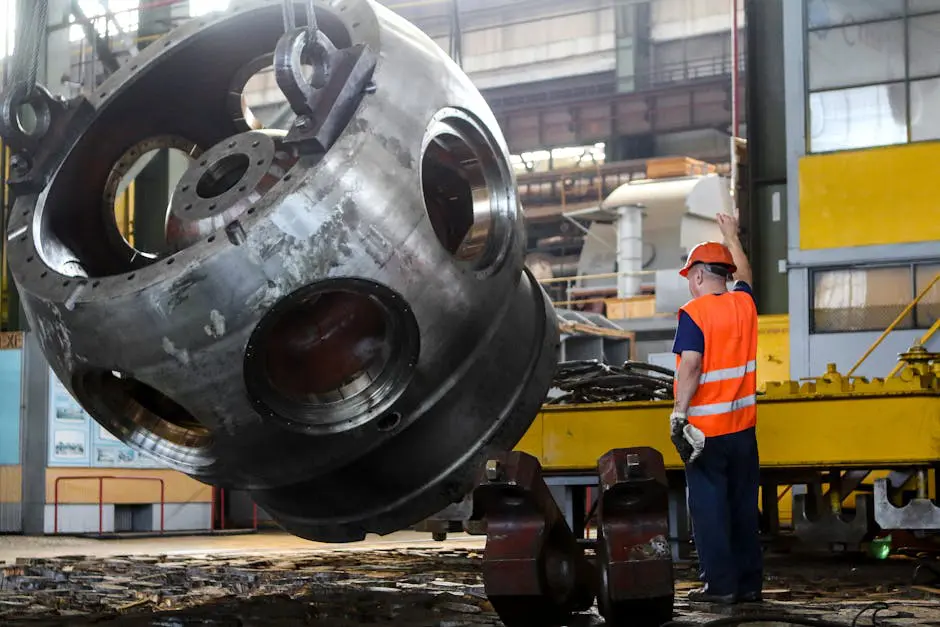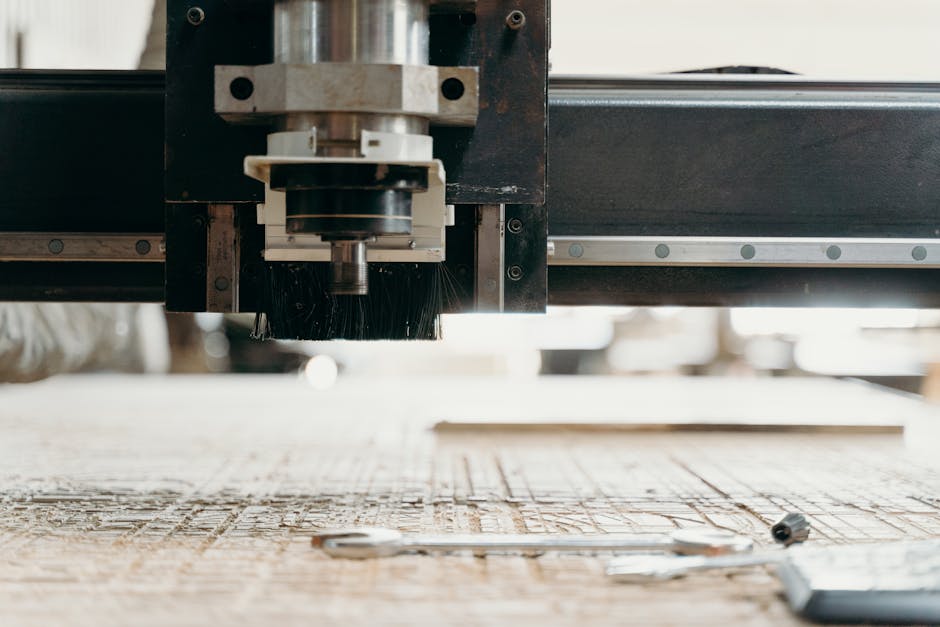
Unlocking Excellence: High Precision Machined Components

Introduction

When you hear “High Precision Machined Components,” think of parts designed and manufactured with the utmost care and accuracy. These components fit into systems where every micron counts, ensuring everything works smoothly, efficiently, and reliably.

  • Precision Engineering: The art of creating these components with extreme accuracy.
  • High Precision: Parts are made to exact specifications, often with tolerances as tight as ±0.0002 inches.

For a manufacturing company in need of CNC lathe parts for their industrial machinery, high precision machined components are not just a requirement but a necessity. These parts ensure the longevity and efficiency of your machinery, minimizing downtime due to malfunctions or inaccuracies.

Why are these components crucial? They determine the success of complex machinery, ensuring each part operates within its intended parameters. In industries where precision is non-negotiable, like aerospace, medical, or automotive, the difference between a component that meets these strict standards and one that doesn’t can be monumental.

In short, high precision machined components are at the heart of what keeps industries running at peak performance.

Infographic describing the characteristics of high precision machined components, including materials commonly used like Stainless Steel and Aluminum Alloys, methods like CNC machining and diamond turning, and industries that benefit from these components such as Medical and Dental, Aerospace, and Automotive. - high precision machined components infographic pillar-5-steps

What are High Precision Machined Components?

In manufacturing, precision is king. High precision machined components are the crown jewels, representing the pinnacle of manufacturing expertise. These are not just any parts; they are custom-engineered with exact specifications and tight tolerances that push the boundaries of what’s possible in manufacturing.

Custom-engineered parts stand out because they are designed with a specific purpose in mind. Imagine a surgeon’s scalpel or a spacecraft’s thruster nozzle—both require a level of precision that leaves no room for error. These components are crafted to fit into complex assemblies, where every micron counts, ensuring that the final product performs exactly as intended.

Exact specifications are the blueprint for these components. Manufacturers must follow these specifications to the letter, which detail everything from dimensions and shapes to the type of material used. This meticulous attention to detail ensures that each part meets the stringent requirements of its intended use, whether it’s in a high-speed racing car or a life-saving medical device.

Tolerances are what set high precision machined components apart from standard parts. Tolerance refers to the allowable deviation from the specified dimensions. In high precision machining, these tolerances can be incredibly tight, often measured in micrometers or even nanometers. Achieving and maintaining these tolerances requires state-of-the-art equipment and a high level of expertise.

For example, a precision aerospace component might have tolerances as tight as ±0.0005 inches (about 12.7 micrometers), demanding not just precision in manufacturing but also in measurement and inspection. The ability to consistently produce parts within these tolerances is what makes a manufacturer like TMC Technologies stand out in the field of high precision machining.

High precision machined components are the result of combining advanced manufacturing techniques with the artistry of engineering. They are essential in applications where the margin for error is virtually zero, making them indispensable in industries where performance, reliability, and safety are paramount.

As we move into exploring the materials and methods that make this level of precision possible, keep in mind that the journey from concept to creation in high precision machining is one of meticulous planning, expert execution, and rigorous quality control.

Materials and Methods in High Precision Machining

When it comes to high precision machined components, the choice of material and the method used for machining are as crucial as the design itself. Let’s dive into some of the key materials and methods that stand out in the precision machining world.

Stainless Steel

Stainless steel is like the superhero of materials in the precision machining universe. It’s strong, doesn’t rust easily, and can handle a lot of wear and tear. This makes it a top pick for industries that need parts to last a long time and work well under tough conditions, like in medical devices or in cars and planes.

Aluminum Alloys

Aluminum alloys are the unsung heroes. They’re not as tough as stainless steel, but they’re lighter and easier to shape. This makes them perfect for when you need parts that are both precise and not too heavy, such as in electronic gadgets or aerospace tech where every ounce counts.

Micro-milling

Imagine carving an intricate sculpture out of a block of marble, but on a much, much smaller scale. That’s micro-milling. It uses tiny cutters to create detailed parts out of metal or plastic. It’s a bit like using a very precise chisel, allowing for the creation of components with complex shapes and super fine details.

Diamond Turning

Diamond turning is like the fine artist of machining methods. It uses a diamond-tipped tool (yes, real diamond!) to cut materials. This method is super precise and is often used for making parts with very smooth surfaces or intricate shapes, like lenses for cameras or medical devices.

Why These Matter

Using the right material and method matters a lot. For example, choosing stainless steel and micro-milling might be perfect for a medical device that needs to be both durable and complex. On the other hand, aluminum and diamond turning could be the dream team for parts in a high-end camera lens.

Each combination of material and method brings something special to the table. It’s all about matching the project’s needs to the strengths of the material and the precision of the machining method.

In Conclusion

The world of high precision machining is both an art and a science. The choice of materials like stainless steel and aluminum alloys, combined with methods like micro-milling and diamond turning, allows engineers and machinists to create components that fit their needs precisely. Whether it’s a part for a life-saving medical device or a component in a spacecraft, the right combination ensures performance, reliability, and safety.

As we continue to explore the fascinating world of precision machining, the journey from concept to creation is a careful balance of choosing the right materials and methods to meet the exacting standards required by today’s advanced industries.

Industries Benefiting from High Precision Components

In the realm of manufacturing, the precision of components is not just a measure of quality, but a critical factor that can determine the success or failure of technological applications across a variety of industries. High precision machined components are especially pivotal in sectors where even the smallest deviation can lead to significant consequences. Let’s dive into how these components are making a difference in key fields.

Medical and Dental

In the medical and dental industries, the stakes couldn’t be higher. The use of high precision machined components is widespread, from the intricate parts of surgical instruments to the custom components of dental implants. The precision in these components ensures they perform reliably in critical situations, whether it’s a life-saving surgery or a routine dental procedure. For instance, the precision machining of a hip implant must be flawless to fit perfectly and last inside the human body. This level of precision directly impacts the effectiveness and safety of medical treatments.

Aerospace

Imagine the complexity of an aircraft or a spacecraft. Every component, from the smallest screw to the engine parts, must adhere to the highest standards of precision. The aerospace industry relies on high precision machined components for everything from the aerodynamic parts of an airplane to the intricate components of satellite systems. These components must withstand extreme conditions such as high temperatures and pressures, making precision non-negotiable. Aerospace components like fittings and fasteners, crafted with exact tolerances, ensure the safety and functionality of air and space travel.

Automotive

The automotive sector is undergoing rapid innovation, with a push towards more efficient and reliable vehicles, including electric and autonomous cars. High precision machined components play a critical role in the engines, transmissions, and braking systems of these vehicles. The precision in these parts ensures that cars operate smoothly, efficiently, and safely under various conditions. As automotive companies strive to improve performance and reduce emissions, the demand for precision machined components continues to grow.

Electronic and Instrumentation

In electronics, where devices are getting smaller and more complex, the need for high precision machined components is more critical than ever. These components are found in everything from smartphones to advanced sensors and circuit boards. Precision machining allows for the production of tiny, complex parts that fit perfectly within electronic devices, ensuring they function correctly and reliably. This precision is crucial in an industry where the miniaturization of components is a constant trend.

In each of these industries, the common thread is the uncompromising need for precision. High precision machined components ensure reliability, safety, and performance, whether it’s a medical implant, an aerospace fitting, an automotive gearbox, or an electronic sensor. The advancements in precision machining technologies have not only enhanced the capabilities of these industries but have also paved the way for innovation and progress.

As we look towards the future, the role of high precision machined components in driving technological advancements and supporting the growth of these critical industries cannot be overstated. The journey from concept to creation in precision machining continues to evolve, meeting the ever-increasing demands for quality and precision in the modern world.

Advanced Technologies in Precision Machining

In the realm of manufacturing, where the quest for perfection is never-ending, the evolution of advanced technologies in precision machining stands out as a beacon of innovation. This journey, marked by the relentless pursuit of accuracy and efficiency, leverages a variety of sophisticated methods and equipment. Let’s dive into CNC machines, Swiss machining, Conventional CNC machining, and the state-of-the-art equipment utilized by industry leaders like Dynomax Inc. and Precision Plus.

CNC Machines: The Heartbeat of Modern Manufacturing

At the core of precision machining are CNC (Computer Numerical Control) machines. These marvels of modern engineering automate the cutting process with unparalleled precision. By following computer-generated designs, CNC machines transform raw materials into high precision machined components with minimal human intervention. This not only ensures accuracy but also significantly reduces the production time.

Swiss Machining: Precision to the Last Micron

Swiss machining takes precision to another level. Originally developed for the watch-making industry, this technique is now indispensable in creating small, intricate parts with exacting tolerances. The secret to its success lies in the way the stock material is fed into the machine, allowing for detailed work on parts with diameters as small as ¾ of an inch. Precision Plus, for instance, has invested heavily in this technology, ensuring their capability to produce components with the tightest tolerances.

Conventional CNC Machining: Versatility Meets Precision

While Swiss machining excels at handling smaller components, conventional CNC machining fills the gap for larger, more complex projects. With equipment like the Miyano ABX and BNX CNC lathes, manufacturers can tackle parts up to 2 inches in diameter. This method combines the precision of CNC control with the flexibility to handle a wider range of part sizes, making it a cornerstone of custom manufacturing.

State-of-the-Art Equipment: Pushing Boundaries

Leading companies like Dynomax Inc. and Precision Plus are not just users of technology; they are innovators, constantly pushing the boundaries of what’s possible. With investments exceeding millions in new production tools and part inspection technologies, they stand at the forefront of the industry. Their fleets of advanced machinery are not just tools but partners in the quest for perfection, capable of executing the most demanding projects with ease.

The Role of Industry Leaders

Dynomax Inc. and Precision Plus exemplify the commitment to excellence in the field of precision machining. Their approach is not just about maintaining the status quo but about redefining what’s possible. By embracing advanced technologies and continuously investing in their capabilities, they ensure that their clients receive nothing but the best. Whether it’s a complex aerospace component or a critical medical device, these companies have the technology and expertise to deliver precision perfected.

As we look towards the future, the role of advanced technologies in precision machining in driving technological advancements and supporting the growth of critical industries cannot be overstated. The journey from concept to creation in precision machining continues to evolve, meeting the ever-increasing demands for quality and precision in the modern world. With companies like Dynomax Inc. and Precision Plus leading the charge, the future of manufacturing looks brighter and more precise than ever.

Ensuring Quality in High Precision Machining

Ensuring quality is like making sure every piece of a puzzle fits perfectly, not just once but every single time. In high precision machined components, this isn’t just important, it’s everything. So, how do companies make sure every part is as good as it should be? Let’s dive in.

ISO 9001:2015 – The Quality Benchmark

Think of ISO 9001:2015 as a promise. A promise that a company will stick to a set of rules that make sure they’re always aiming for the top in terms of quality. It’s not just any promise, though. It’s one that’s recognized all over the world. When a company says, “We’re ISO 9001:2015 certified,” they’re telling you, “You can trust us to meet your high standards.” It’s a big deal because it shows they have a system in place to check and double-check the quality of everything they make.

AS9100:2016 – Flying High with Quality

For those in the aerospace industry, AS9100:2016 takes things a step higher. It’s like ISO 9001:2015 but with extra checks for the super specific needs of aerospace. This certification means a company is not just good; they’re space-good, ready to meet the extreme quality and safety standards needed for aerospace parts. It’s assurance that they’re committed to precision and reliability, not just on the ground but up in the air and beyond.

CNC Part Inspection – The Magnifying Glass

Now, let’s talk about the heroes behind the scenes: CNC part inspection. Imagine a magnifying glass so powerful it can see the tiniest details on a part. That’s what CNC part inspection is all about. It uses advanced tools to measure every nook and cranny of a component, making sure it’s exactly as it should be. This isn’t a one-time thing. It happens at multiple stages of the manufacturing process, ensuring that only the best parts make it through.

Quality Control Operations – The Quality Guardians

Quality control operations are the guardians of quality. They’re the ones who set up the rules and make sure everyone follows them. From the moment raw material enters the factory to the final check before a part is shipped, they’re there. They use a mix of human expertise and technology to spot any issues and fix them. It’s a tough job, but it’s crucial. Without these guardians, maintaining consistent quality would be nearly impossible.

In conclusion, ensuring quality in the manufacturing of high precision machined components isn’t just about having the right tools or certifications. It’s a commitment that runs through the entire process, from raw materials to the final product. Companies that invest in ISO 9001:2015, AS9100:2016, meticulous CNC part inspection, and robust quality control operations are not just meeting standards; they’re setting them. As we move into the next section, quality isn’t just a part of the process; it’s the foundation of everything in high precision machining.

Conclusion

At TMC Technologies, we understand that the backbone of innovation and efficiency in today’s industries is high precision machined components. Our journey through the intricacies of precision machining has shown us that whether it’s for the medical field, aerospace, automotive, or electronics, the demand for precision and reliability is universal.

Our commitment to quality, efficiency, and customer satisfaction sets us apart in the realm of precision machining. By embracing the latest in technology, including CNC machines and Swiss machining, we ensure that our components meet the highest standards. Our involvement in the evolution of machining techniques places us at the forefront of the industry, ready to tackle the challenges of tomorrow.

The future of manufacturing is here, and it’s being shaped by advancements in precision machining. As we’ve seen, the integration of AI, robotics, and Industry 4.0 technologies is not just a trend; it’s a revolution that’s enhancing the way we design, produce, and inspect components. At TMC Technologies, we’re not just witnesses to this revolution; we’re active participants.

Our dedication to pushing the boundaries of what’s possible with high precision machined components is unwavering. We’re constantly innovating, adapting, and improving to meet and exceed the expectations of our customers. It’s this forward-thinking approach that has made us a trusted partner in numerous industries, driving progress and setting new standards in precision machining.

In conclusion, the role of high precision machined components in driving innovation and ensuring the performance, reliability, and quality of end products cannot be overstated. At TMC Technologies, we’re proud to be leading the way in this exciting era of engineering. We invite you to join us on this journey, to unlock excellence in manufacturing and engineering together. Discover how our expertise in CNC machining can benefit your projects by visiting our service page.

In manufacturing, every part matters, and with TMC Technologies, you’re ensuring that each component is crafted with precision and care, ready to play its vital role in the bigger picture of innovation and efficiency.
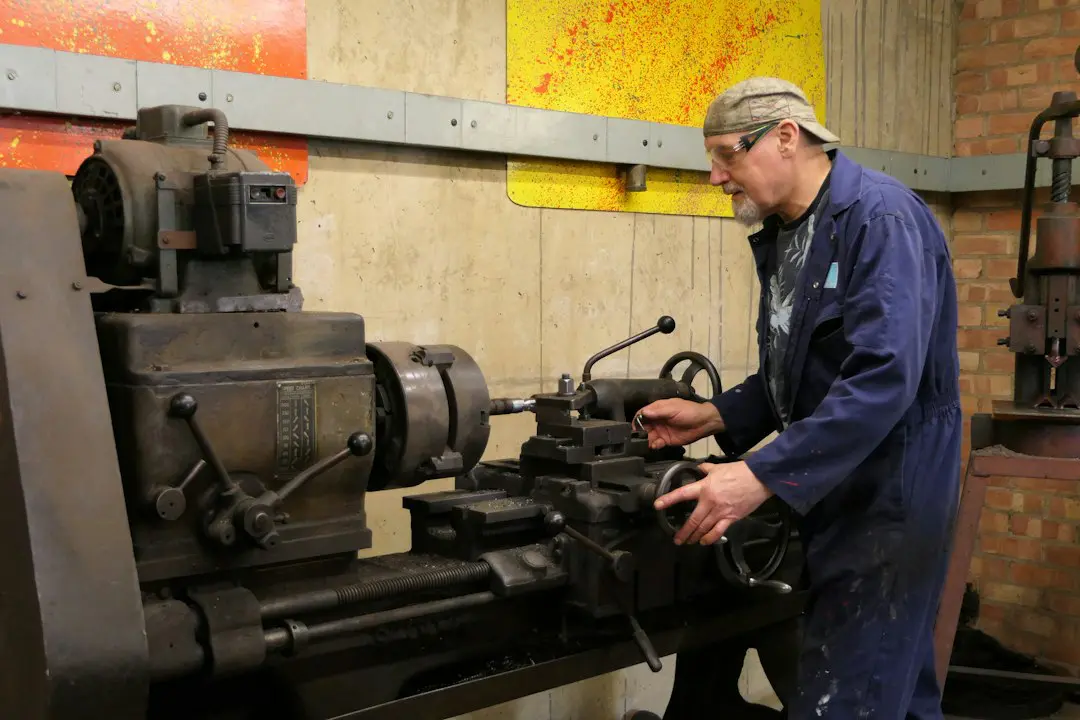
Buyer’s Guide: Best High Precision CNC Lathes for 2024

Quick Guide to Finding the Best High Precision CNC Lathes for 2024

If you’re in the market for a high precision CNC lathe, aiming for machines that marry top-tier accuracy with reliability is crucial. Look no further for a concise rundown:

  • Top Picks: Schaublin 632-Y, Hardinge T-series, WASINO G 100 | 300
  • Key Features to Consider: Spindle speed, maximum part diameter, and bar capacity
  • Ideal for Industries: Aerospace, automotive, medical device manufacturing

For businesses focused on ensuring the utmost precision and longevity of CNC lathe parts, understanding the nuances of these machines is essential. Below, we embark on a simplified journey into high precision CNC lathes.


High precision CNC lathes are not just machines; they are the backbone of modern manufacturing, turning raw materials into parts with impressive accuracy. Whether it’s for aerospace components that demand micron-level precision or automotive parts requiring robust repeatability, these machines stand at the forefront.

At the heart of this guide, our aim is simple: to help you navigate through the complex world of CNC lathes with ease. We cut through the technical jargon, offering you a concise overview of what to look for in a high precision CNC lathe. We understand the pain points of sourcing reliable suppliers and ensuring your machinery produces accurate and consistent results over its lifespan.

High precision CNC lathes are incredible tools capable of shaping the future of manufacturing. They offer unparalleled precision, flexibility in material handling, and the power to craft intricate shapes with ease. However, they do come with their set of challenges, such as the initial investment and the need for skilled operators.

We’ll delve deeper into what makes a CNC lathe precise, highlight some of the best machines entering the market in 2024, and provide insights into the latest advancements in CNC technology. Whether you’re a seasoned manufacturer or entering the industry, this guide is tailored to simplify your decision-making process.

Infographic detailing the top features to look for in a high precision CNC lathe geared towards manufacturing companies' needs: spindle speed range, maximum part diameter, bar capacity, and industry applications. - high precision cnc lathe infographic roadmap-5-steps

Understanding CNC Lathe Precision

When we talk about CNC lathe precision, we’re diving into tiny measurements that make a huge difference. Imagine a human hair. It’s thin, right? Now, split it into 50 pieces. The precision we discuss in CNC lathes is even finer than that. Let’s break this down into simpler terms.

Most Accurate CNC Machines

First up, we have the champions of precision: Kern, 5-axis, and Swiss machines. These are like the Olympic athletes in CNC machining. They’re built to achieve and maintain ultra-fine accuracies that most machines can only dream about.

  • Kern machines are known for their ability to handle micro-machining tasks with unbelievable precision.
  • 5-axis machines take complexity in stride, allowing for machining from virtually any angle without sacrificing accuracy.
  • Swiss machines, originally designed for watchmaking, specialize in producing tiny, complex parts with an emphasis on precision.

Precision in CNC Lathes

Now, let’s talk specs. Positioning accuracy and repeatability are the two main stars here.

  • Positioning accuracy refers to how close a CNC lathe can get to the intended position. Imagine telling your friend to stand exactly 5 feet away. If they’re spot on, that’s great accuracy. For high precision CNC lathes, we’re looking at positioning accuracy as fine as 0.010mm. That’s thinner than a piece of paper!
  • Repeatability is about consistency. Can your machine hit that same spot over and over again? With top-notch CNC lathes, we’re talking about a repeatability of 0.002mm. It’s like hitting a bullseye repeatedly in darts, but at a microscopic level.

Tolerance grades are another key term. They’re like the rulebook for precision, defining how much deviation from the ideal measurement is acceptable. In the high precision world, we aim for the tightest tolerances, where deviations are barely measurable.

In summary, diving into high precision CNC lathes is like entering a realm where the slightest difference matters. Whether you’re working with Kern, navigating the capabilities of 5-axis machines, or marveling at the precision of Swiss machines, remember: in this world, every micrometer counts. Precision, repeatability, and adherence to strict tolerance grades are what set these machines apart, making them indispensable tools for industries where accuracy is not just a requirement, but the very foundation of quality.

Keep these benchmarks in mind. They’re not just numbers; they’re the pillars of precision machining, ensuring that every part produced meets the highest standards of quality and accuracy.

Top High Precision CNC Lathes for 2024

In manufacturing, the quest for precision is never-ending. As we delve into the best high precision CNC lathes for 2024, keep in mind that these machines are at the forefront of technology, pushing the boundaries of what’s possible in terms of accuracy, efficiency, and reliability.

CC-D6000Ehs High Speed Benchtop CNC Lathe

The CC-D6000Ehs by WABECO is a standout benchtop CNC lathe that combines power, precision, and versatility. With a 2Kw high-speed motor and brushless servo motors, this machine is designed for those who need both speed and accuracy. The indefinitely variable speed from 50 – 4000 rpm allows for precise control over your machining processes, making it ideal for a wide range of applications.

Key Features:
30mm Bore and high precision ballscrews for tight tolerances.
Z-Axis Ballscrew Conical Spring Cover to protect critical components.
MotusCNC CNC Control Software for advanced control.

Industry Applications: Ideal for toolrooms and precision workshops where space might be limited but the demand for high-quality parts is non-negotiable.

Hardinge Super-Precision Machine

Hardinge is synonymous with durability and precision. The Super-Precision T-series machines are built with over 100 years of engineering expertise, ensuring they meet the highest standards of accuracy and cost of ownership. These machines are designed to last for decades, providing unparalleled precision that’s crucial in industries such as aerospace and medical device manufacturing.

Key Features:
Super-Precision machining capabilities.
Durability that stands the test of time.
Cost of Ownership that makes it a wise long-term investment.

Industry Applications: Perfect for demanding sectors that require extremely tight tolerances and reliability over long periods.

Toolroom Lathes for Precision Work

Toolroom lathes are the unsung heroes of precision machining, capable of producing complex parts with tight tolerances. These machines are designed for high-precision tasks, where the margin for error is virtually non-existent. With features such as advanced control systems and high-quality construction, toolroom lathes are essential for creating intricate components that meet stringent specifications.

Key Features:
– Designed for tight tolerances and complex parts.
– Built with durability and accuracy in mind.
– Suitable for a wide range of precision machining tasks.

Industry Applications: Ideal for specialized manufacturing processes that require the utmost precision, such as custom medical equipment, aerospace components, and more.

In conclusion, the CC-D6000Ehs, Hardinge Super-Precision Machine, and Toolroom Lathes represent the pinnacle of high precision CNC lathe technology for 2024. Whether you’re working in a toolroom, a high-tech industry, or anywhere in between, these machines offer the features, specifications, and reliability needed to ensure your projects are completed to the highest standards of precision and quality.

As we explore the advancements in CNC lathe technology in the next section, the evolution of these machines is a testament to the industry’s ongoing commitment to excellence.

Advancements in CNC Lathe Technology

The world of CNC lathes is rapidly evolving, with advancements that push the boundaries of precision and efficiency. Two of the most significant developments in this area include Multiaxis Machining and Numerical Control (CNC), both of which have revolutionized how we approach machining tasks.

Multiaxis Machining

Multiaxis machining refers to the capability of a CNC machine to operate along four or more axes, adding layers of complexity and precision to the machining process. Unlike traditional lathes that work along a single plane, multiaxis machines can rotate and pivot, allowing for intricate designs that were previously impossible or highly time-consuming. This technology enables the creation of complex metal parts with curves and angles that match exact specifications.

The advantages of multiaxis machining are numerous:
Reduced Setup Time: Multiple setups for a single part are a thing of the past. Now, a piece can be completed in fewer setups, reducing time and increasing efficiency.
Complex Geometries: The ability to machine complex shapes and intricate parts without manual intervention opens up new possibilities for design and innovation.
Improved Surface Finish: By allowing the tool to move tangentially to the workpiece, multiaxis machines can achieve superior surface finishes.
Enhanced Tool Life: Optimal tool angles and precise control reduce wear and tear on tools, extending their life.

Numerical Control (CNC)

At the heart of these advancements is CNC, or Computer Numerical Control, which transforms digital designs into precise physical parts. Through automated control, a CNC lathe follows detailed programming instructions without manual intervention, ensuring high levels of accuracy and repeatability.

CNC technology has brought about significant improvements in the manufacturing process:
Automation: CNC lathes operate automatically, significantly reducing the need for manual labor and minimizing human error.
Flexibility: Programming can be easily updated or modified, making CNC machines highly adaptable to different tasks and designs.
Precision: With CNC, machines can achieve positioning accuracy down to 0.010mm and repeatability to 0.002mm, meeting the highest standards of precision machining.
Efficiency: Faster production times and the ability to run 24/7 without fatigue mean CNC lathes can meet the demands of high-volume manufacturing.

Live Tooling

A notable feature in modern CNC lathes is live tooling. This allows tools to move and operate while the workpiece is stationary, enabling drilling, milling, and tapping operations without removing the workpiece from the lathe. Live tooling enhances the versatility of CNC lathes, making it possible to complete complex parts in a single setup. This capability not only speeds up production but also improves part accuracy by eliminating the need for multiple setups.

In conclusion, the advancements in CNC lathe technology, highlighted by multiaxis machining and numerical control, have significantly expanded the possibilities for precision machining. With the addition of live tooling, today’s high precision CNC lathes are more versatile and efficient than ever before, capable of producing complex metal parts with unparalleled accuracy. These technologies will continue to play a crucial role in driving innovation and excellence in the manufacturing industry.

Frequently Asked Questions about High Precision CNC Lathes

In manufacturing and machining, high precision CNC lathes are vital for creating parts with incredible accuracy. Here are some common questions answered simply, to help you understand their capabilities and the technology behind them.

What is the most accurate CNC machine?

When it comes to pinpoint accuracy, Kern and Swiss machines stand out. Kern is known for its ultra-precision machining centers that can handle both milling and turning operations with extreme precision. Swiss machines, on the other hand, are specialized for high precision in complex, small parts – often used in the medical, aerospace, and electronics industries. These machines can achieve positioning accuracy and repeatability that is just remarkable.

How precise are CNC lathes?

The precision of CNC lathes can be quite astonishing. Generally, they can achieve a positioning accuracy of 0.010mm, which is thinner than a human hair. As for repeatability, they can hit the mark within 0.002mm. This level of precision ensures that every part produced is virtually identical to the last, critical for industries requiring high levels of accuracy like aerospace and medical device manufacturing.

What is the highest accuracy machining?

The highest accuracy in machining is categorized by tolerance grades, ranging from IT01 to IT18. The lower the number, the higher the precision. For the most demanding applications, grades as precise as IT01 are sought after, which means the parts are machined to tolerances within thousandths of a millimeter. This level of precision is achieved through a combination of advanced CNC machines, skilled operators, and stringent quality control processes.


Understanding these aspects of high precision CNC lathes clarifies why they are indispensable in today’s manufacturing landscape. Whether it’s the unmatched accuracy of Kern and Swiss machines, the exceptional precision that CNC lathes bring to the table, or the stringent tolerance grades they can achieve, these machines are at the heart of modern manufacturing, pushing the boundaries of what’s possible in precision machining.

Conclusion

As we’ve explored high precision CNC lathes and their pivotal role in modern manufacturing, it’s clear that the choice of equipment can fundamentally shape the quality, efficiency, and innovation of your production processes. At TMC Technologies, we understand the critical importance of these factors to your success. That’s why we’re committed to offering only the highest quality CNC components and custom applications tailored to meet your unique needs.

Our expertise in CNC machining services is not just about providing equipment; it’s about enabling your business to achieve new levels of precision and efficiency. With advancements in CNC lathe technology, including multiaxis machining and numerical control, the possibilities for what you can create are virtually limitless. Whether you’re working on intricate metal parts that require the utmost accuracy or looking for the reliability and speed of automated control, our solutions are designed to help you excel.

High Precision CNC Components - high precision cnc lathe

Choosing TMC Technologies means opting for a partner who understands the nuances of high precision CNC lathe work. We’ve seen how the right machine can make all the difference in projects requiring tight tolerances and complex parts. Our toolroom lathes and hardinge super-precision machines are just a few examples of how we equip our clients with the tools necessary for precision work that stands out in the industry.

We invite you to explore how our CNC machining services can transform your manufacturing capabilities. Whether you’re looking to push the boundaries of what’s possible in your field or simply aiming to enhance the quality and precision of your products, we’re here to support you every step of the way. Discover the difference that high-quality CNC components from TMC Technologies can make in your projects. For a deeper dive into our services and how we can assist you in achieving your manufacturing goals, visit our CNC Machining: What Is It? page.

In the realm of precision machining, every detail counts. Let us help you ensure that your work not only meets but exceeds expectations. With TMC Technologies, unlock the full potential of high precision CNC lathes and propel your business towards unparalleled success in custom applications and beyond.

Buyer’s Guide: Best High-Precision CNC Machines for 2024

Introduction

When you’re on the hunt for high precision CNC for your manufacturing needs, you desire nothing less than excellence. You’re looking for machinery that stands at the apex of precision machining—machines that translate complex designs into reality with immaculate accuracy. In a nutshell, finding the right high-precision CNC machine involves identifying equipment that can deliver exceptional accuracy in crafting parts, with minimal room for error, ensuring the longevity and reliability of your industrial machinery.

High precision CNC machines are the backbone of manufacturing sectors that demand intricacies, like aerospace, medicine, and automotive. These machines leverage computer numerical control (CNC) to carve out materials with extraordinary precision. In simple terms, they follow coded programmed instructions without the need for manual operation, turning raw materials into precise parts and components.

Why is this important to you? Because the right CNC machine can be the difference between a product that fits perfectly every time and one that causes endless headaches due to inaccuracies. For industrial machinery parts, this precision directly translates to efficiency, reliability, and the longevity of your operations.

Infographic detailing key features to look for in high-precision CNC machines; includes points on tolerances, control system sophistication, spindle speed, and adaptability to various materials - high precision cnc infographic pillar-4-steps

This guide—Buyer’s Guide: Best High-Precision CNC Machines for 2024—will walk you through everything you need to know: from understanding the capabilities of high-precision CNC machining to pinpointing the top machines that are set to revolutionize manufacturing in 2024. Whether your company specializes in creating lathe parts for industrial machinery or you require additional machining services for custom applications, understanding the fundamentals of high-precision CNC machinery is crucial to making an informed purchasing decision.

Understanding High-Precision CNC Machining

When we talk about high-precision CNC machining, we’re diving into a world where exactness is everything. This process involves the use of CNC machines and numerical control to shape materials with incredible accuracy. But what does that really mean, and why does it matter? Let’s break it down in simple terms.

CNC Machines: These are the stars of the show. CNC stands for Computer Numerical Control. Imagine a robot that can carve, cut, and shape materials just by following instructions from a computer. That’s essentially what a CNC machine does. It takes digital designs and turns them into real, physical objects with astonishing precision.

Numerical Control: This is the brain behind the operation. Numerical control is a fancy way of saying that the machine’s movements are controlled by numbers inputted into a computer. This allows for movements that are so precise, they’re measured in fractions of a millimeter.

State-of-the-Art Technology: High-precision CNC machining wouldn’t be possible without some seriously advanced tech. We’re talking about machines equipped with features like thermal stability and linear scales that can work with high-tech materials. This technology ensures that even the smallest parts are made accurately every single time.

Screw Machines: These are a type of CNC machine that specialize in making screws and other small, cylindrical parts. But don’t let their specialization fool you; screw machines are a crucial part of the high-precision CNC machining world. They show just how versatile CNC technology can be, capable of producing a wide range of parts with the same level of accuracy.

Why High-Precision CNC Machining Matters

In industries where every micron counts (think aerospace, medical devices, and electronics), high-precision CNC machining is not just important—it’s essential. This technology allows companies to produce parts that fit together perfectly, work flawlessly, and can be reproduced consistently over and over again.

Whether it’s creating a tiny component for a heart monitor or shaping the body of a high-speed aircraft, high-precision CNC machining makes it possible to achieve levels of accuracy that were once unimaginable. And as technology continues to advance, the possibilities will only grow.

As we move into 2024 and beyond, keeping an eye on the latest developments in CNC technology will be key for any business that relies on precision manufacturing. With the right equipment and expertise, the future of making things looks both precise and promising.

In the next section, we’ll take a closer look at some of the top high-precision CNC machines set to make a big impact in 2024. Stay tuned to learn more about how these machines are pushing the boundaries of what’s possible in manufacturing.

Top High-Precision CNC Machines for 2024

In manufacturing, precision is not just a luxury; it’s a necessity. As we move into 2024, the demand for high-precision CNC (Computer Numerical Control) machines continues to grow. These machines play a crucial role in producing parts with the utmost accuracy for industries where even a micron’s deviation can be costly. Let’s dive into three standout high-precision CNC machines: Kern Microtechnik, DATRON M10 Pro, and CRP Meccanica.

Kern Microtechnik

Kern Microtechnik is synonymous with micro precision. Their machines are designed for tasks where the margin for error is practically nonexistent. Imagine working in the aerospace sector, where the difference between success and failure can be thinner than a human hair. That’s where Kern Microtechnik shines. Their commitment to excellence means every part produced meets the most rigorous quality requirements.

Kern Microtechnik’s machines are known for their incredible tolerances, capable of achieving accuracies measured in microns. This level of precision is essential in sectors like medical device manufacturing, where a micron can determine the effectiveness of a life-saving instrument.

DATRON M10 Pro

Next up is the DATRON M10 Pro, a powerhouse in the realm of high-precision CNC machining. This machine is a marvel when it comes to thermal stability and linear scales. Its design is focused on maintaining accuracy over long machining periods, crucial for producing high-tech materials without the risk of dimensional errors due to thermal drift.

The DATRON M10 Pro boasts a 2:1 footprint to machining area ratio, making it incredibly efficient for its size. Its integrated linear measuring system, with a resolution of 40nm, guarantees continuous precision. This machine is ideal for jobs requiring high tolerance levels, whether you’re working with small or large lot sizes.

CRP Meccanica

CRP Meccanica has carved out a niche in high-precision CNC machining for complex sectors such as defense, aviation, aerospace, and motorsport. Their CNC milling centers and lathes are connected to a company network, maximizing automation and productivity. This setup ensures the delivery timing and final product quality are of the highest standard.

CRP Meccanica processes a substantial number of hi-tech materials with precision. From titanium alloys to metal matrix composites (MMC) and special steels, their capability to work with a diverse range of materials makes them a go-to for industries requiring the utmost accuracy.

In Summary

When looking for a high-precision CNC machine, consider the tolerances you need to achieve, the machine’s ability to maintain thermal stability, and whether it’s equipped with linear scales for continuous accuracy. Also, consider the types of high-tech materials you’ll be working with and the industries you’re serving, whether it’s defense, aviation, aerospace, or motorsport.

Kern Microtechnik, DATRON M10 Pro, and CRP Meccanica are at the forefront of high-precision CNC machining technology for 2024. Each brings something unique to the table, ensuring that no matter the complexity of the task at hand, there’s a machine designed to meet those exacting standards.

Key Features to Look for in High-Precision CNC Machines

When you’re diving into high-precision CNC machines, it’s like looking for the perfect puzzle piece that fits right into your manufacturing needs. You’re not just buying a machine; you’re investing in the future of your projects, whether they’re in defense, aviation, aerospace, or motorsport. Here’s a straightforward guide to the key features you should consider to make an informed decision.

Tolerances

Tolerances are the heart of precision machining. Imagine you’re crafting a component that’s crucial for a space shuttle. A tiny error, even as thin as a human hair, could lead to failure. High-precision CNC machines boast tolerances ranging from ±0.0002” to ±0.0005”, ensuring that every part you produce fits perfectly, every single time.

Spindle Speed

The spindle is the muscle of the CNC machine, dictating how fast it can cut through materials. Higher spindle speeds mean quicker machining times, especially for materials that need a fine finish. It’s like choosing between a sports car and a city car; if speed and efficiency are what you’re after, you’ll want the sports car. Look for a machine that offers a wide range of spindle speeds to match your material and cutting needs.

Tool Changer

Imagine you’re a chef preparing a complex dish that requires different utensils. You wouldn’t want to waste time searching for the right tool in the middle of cooking. Similarly, a high-precision CNC machine with an efficient automatic tool changer (ATC) system saves valuable time by swiftly swapping tools, keeping your manufacturing process smooth and uninterrupted.

Control System

The control system is the brain of the operation, the part that takes your designs and turns them into reality. It’s crucial to look for a machine with an intuitive, user-friendly control system. This ensures you can easily program your designs, make adjustments, and maintain high precision without a steep learning curve.

Working Area

The working area of a CNC machine determines the size of the parts you can produce. It’s like the difference between painting on a canvas the size of a postage stamp versus a mural wall. Ensure the machine’s working area matches the scale of your projects to avoid limitations on your creativity and productivity.

In conclusion, when searching for the perfect high-precision CNC machine for 2024, remember to focus on tolerances, spindle speed, tool changer efficiency, the sophistication of the control system, and the size of the working area. These features are key to unlocking the full potential of your manufacturing capabilities, ensuring that you can produce parts with the utmost accuracy and efficiency. With the right machine, the possibilities are endless, propelling your projects into the future with confidence and precision.

Frequently Asked Questions about High-Precision CNC Machines

When it comes to high precision CNC machines, there are a few questions that pop up more often than others. Let’s dive into these questions with straightforward answers.

What is the most accurate CNC machine?

In the realm of high precision CNC, Kern Microtechnik stands out. They’ve built a reputation for achieving incredibly tight tolerances, making them a go-to for industries where precision is paramount. Their machines are known for their ability to handle micro precision tasks, which is a testament to their design and manufacturing prowess.

How precise can CNC be?

The precision of CNC machines has reached levels that were unimaginable a few decades ago. Today, high precision CNC machines can achieve tolerances ranging from ±0.0002” to ±0.0005”. This level of precision is crucial for industries like aerospace, medical devices, and semiconductor manufacturing, where even the smallest deviation can lead to failure.

What is the highest tolerance for a CNC machine?

The highest tolerance achievable with top-tier CNC machines can be as tight as ±0.005 inches to ±0.0005 inches. This range signifies the machine’s ability to produce parts that are nearly identical to their digital designs, with minimal error. Achieving the tighter end of this spectrum requires not just a state-of-the-art machine but also a controlled environment, skilled operators, and rigorous quality control processes.

In conclusion, when looking into high precision CNC machines, consider the specific requirements of your project, including the level of precision needed. Whether you’re working in an industry that demands the utmost accuracy or you’re looking to push the boundaries of what’s possible in manufacturing, knowing the capabilities of machines like those from Kern Microtechnik can guide your decision-making process. The future of manufacturing is precise, and with the right equipment, you can be at the forefront of this evolution.

Conclusion

As we’ve journeyed through the landscape of high-precision CNC machining, it’s clear that the future of manufacturing hinges on the capabilities of cutting-edge technology. Machines from Kern Microtechnik and DATRON, as well as the precision-focused services from CRP Meccanica, highlight the advancements and the meticulous attention to detail required in sectors like defense, aviation, aerospace, and motorsport. These examples underscore the critical importance of selecting the right equipment and partners in achieving unparalleled precision.

At the heart of this evolution stands TMC Technologies, a company that has not only embraced these technological advancements but has also contributed significantly to pushing the boundaries of what’s possible in high-precision machining. Our expertise and dedication to quality ensure that we remain at the forefront of this dynamic industry. Whether it’s through the integration of state-of-the-art machines or the application of our vast knowledge and experience, we are committed to delivering the highest levels of precision and efficiency.

For those seeking to invest in high-precision CNC machinery or services, the choice of partner is as crucial as the technology itself. With TMC Technologies, you’re not just choosing a service provider; you’re selecting a partner dedicated to excellence and innovation. Our commitment to quality and precision ensures that your projects not only meet but exceed the stringent demands of today’s competitive and industries.

As we look towards 2024 and beyond, the trajectory of manufacturing technology is clear. Precision, efficiency, and innovation will drive the future, and TMC Technologies is perfectly positioned to lead this charge. We invite you to explore our capabilities and see how we can help elevate your manufacturing processes to new heights of precision and performance.

For more information on how we can assist with your high-precision CNC machining needs, visit our CNC Machining: What Is It? service page. Together, let’s shape the future of manufacturing.

In conclusion, whether you’re aiming for the utmost accuracy or looking to push the boundaries of what’s possible in manufacturing, partnering with TMC Technologies ensures that you’re equipped with the expertise and technology to be at the forefront of this evolution. The future of manufacturing is not just about precision; it’s about partnership, innovation, and choosing the right allies to navigate this complex landscape.

The 5 Best Custom Machining Services in Iowa You Need to Try Today

Looking for custom machining in Iowa, USA? You’re not alone. Businesses need precise, durable CNC lathe parts and machining services that can accommodate unique projects. When it comes to finding a reliable provider in Iowa, here’s the quick list you’re looking for:

  • Iowa Custom Machine: Known for its versatile engineering and design services.
  • Priority Custom Machining, Inc.: Takes pride in delivering the highest level of quality.
  • BDR Custom Machining: Offers innovative solutions like the Polaris RZR UTV Alternator Kit.
  • Howe Welding and Metal Fabrication: A veteran-owned business with a can-do attitude towards metal fabrication.
  • Midwest Alkota: Specializes in comprehensive machining services with nationwide shipping.

Custom machining services are vital for companies needing specific parts that are not off-the-shelf. Whether you need intricate parts for industrial machinery or are seeking services for complex applications, Iowa boasts a rich manufacturing tradition with a strong focus on quality and precision.

In Iowa, the fusion of skilled craftsmanship and advanced technology transforms complex designs into tangible, high-quality components. These services adapt to various materials and specifications, catering to industries like aerospace, medical, and defense. It’s this ability to deliver exact results while enhancing productivity that makes custom machining services invaluable.

Infographic: Top 5 Custom Machining Services in Iowa - custom machining Iowa, USA infographic pillar-5-steps

Our goal here is to dive deep into why custom machining matters, especially in a state renowned for its manufacturing prowess. From the promise of unparalleled precision to the innovation that drives the sector, joining us on this exploration will illuminate how Iowa’s machining services stand ready to meet your most challenging demands.

Why Custom Machining Matters

In the heart of manufacturing innovation, custom machining in Iowa, USA stands out for its commitment to precision, customization, efficiency, and innovation. Let’s break down why each of these elements is crucial for anyone considering custom machining services.

Precision

Imagine the inner workings of an aerospace engine or the critical components of medical devices. The margin for error? Virtually nonexistent. This is where the precision of custom machining shines. Iowa’s machining services are known for their ability to produce parts with exacting tolerances, ensuring that every piece fits and functions as intended. It’s not just about making a part that looks right; it’s about crafting components that meet strict specifications for performance and safety.

Customization

No two projects are the same. Whether it’s a unique prototype for a startup or a specialized part for agricultural machinery, customization is key. Custom machining services in Iowa excel at turning unique ideas into tangible products. This flexibility allows inventors, engineers, and manufacturers to bring their visions to life without being constrained by off-the-shelf parts. It’s the difference between settling for what’s available and creating what’s needed.

Efficiency

Time is of the essence in the manufacturing world. The efficiency of custom machining processes in Iowa means that projects can move from design to production quickly. Modern machining shops utilize state-of-the-art technology and software to streamline operations, reducing lead times and getting products to market faster. This efficiency doesn’t just save time; it also translates into cost savings, making custom machining a smart choice for businesses looking to stay competitive.

Innovation

At its core, custom machining is about solving problems. Whether it’s finding a way to produce a part more efficiently or designing a component that pushes the boundaries of what’s possible, innovation is key. Iowa’s custom machining services are at the forefront of technological advancements, from 3D printing and CNC machining to laser engraving and beyond. This culture of innovation not only drives the industry forward but also ensures that clients have access to the latest and most effective manufacturing solutions.

In summary, custom machining in Iowa, USA, is not just about making parts. It’s about precision that ensures safety and performance, customization that brings ideas to life, efficiency that saves time and money, and innovation that drives the industry forward. As we move into the next section, keep these critical factors in mind—they are what set Iowa’s machining services apart in a crowded manufacturing landscape.

Top Custom Machining Services in Iowa

When it comes to custom machining in Iowa, USA, there are several standout services that have carved a niche for themselves by offering unparalleled precision, customization, and efficiency. Here’s a closer look at five of the best custom machining services in the state that you need to try today.

Ranko Equipment

Located in Des Moines, Ranko Equipment specializes in sales of innovative agricultural machinery including forklifts, wheel loaders, and teleloaders. They aim to provide the most advanced machinery at competitive prices. What sets Ranko apart is their commitment to personalized service and their fully equipped service department, capable of servicing any equipment either on-site or at the customer’s location.

P & P Small Engines

Also based in Des Moines, P & P Small Engines offers expert repair services for a wide range of lawn equipment. They are the go-to experts for ensuring your lawn equipment is in top working condition. Their dedication to quality service makes them a valuable resource for both residential and commercial clients.

Howe Welding and Metal Fabrication

Howe Welding and Metal Fabrication is a complete machine shop known for its metal fabricators’ expertise. Owned by a Navy Veteran, they offer customized metal fabrications and repairs with a can-do attitude. Serving commercial, industrial, and residential customers, they work with various metals and are A.W.S Certified. Their flexible hours and reasonable rates make them a standout service in Ames.

Midwest Alkota

Midwest Alkota stands out as a machine shop with a broad reach, offering nationwide shipping. They are known for their high-quality machine shop services and have a reputation for delivering excellent customer service. Their partnership with Alkota adds to their credibility and ensures clients receive top-notch products and services.

Oscar Woods Modern Design

For those in need of laser engraving and CNC router systems, Oscar Woods Modern Design offers a unique blend of artistry and technology. They specialize in product design and are capable of handling large pieces, showcasing their versatility and commitment to meeting client needs. Their use of state-of-the-art machinery ensures high-quality results for every project.

Each of these services brings something unique to the table, from Ranko Equipment’s innovative agricultural machinery to Howe Welding and Metal Fabrication’s customized metal works, and Oscar Woods Modern Design’s artistic approach to CNC machining. Whether you’re in need of repair services, custom fabrication, or cutting-edge design, these top custom machining services in Iowa have you covered.

Moving forward, let’s delve into the cutting-edge technologies that are shaping the future of custom machining in Iowa.

Cutting-Edge Technologies in Custom Machining

In the realm of custom machining in Iowa, USA, staying ahead means adopting the latest technologies. Companies are leveraging state-of-the-art machinery and innovative design approaches to meet the growing demands for precision and customization. Here’s how they’re doing it:

CNC Lathe Parts

CNC (Computer Numerical Control) lathes play a pivotal role in custom machining by ensuring parts are made with the highest precision. These machines work by turning the material while a cutting tool shapes it into the desired form. This process is crucial for creating intricate parts used in everything from aerospace to the medical field. The precision and efficiency of CNC lathes mean manufacturers can produce parts that fit their needs perfectly, with minimal waste.

Tool Design

Innovative tool design is at the heart of custom machining. The right tools can drastically improve the manufacturing process, making it faster, more efficient, and capable of producing more complex parts. Iowa’s machining services are utilizing CAD (Computer-Aided Design) and CAM (Computer-Aided Manufacturing) software to design tools that meet specific project requirements. This not only speeds up the production process but also ensures a level of precision that was previously unattainable.

Fabrication

Fabrication involves a wide range of processes, including cutting, welding, and assembling to create a final product. Advances in technology have transformed fabrication into a highly precise and efficient process. For example, laser cutting allows for extremely accurate cuts in a fraction of the time it would take with traditional methods. Similarly, robotic welding has improved the speed and quality of welding, resulting in stronger, more consistent products.

State of the Art Machinery

The backbone of cutting-edge custom machining is undoubtedly the state of the art machinery. This includes everything from advanced CNC machines to 3D printers and laser engravers. For instance, Oscar Woods Modern Design utilizes a laser machine capable of working pieces up to 50″ x 36″ wide and a CNC Router System for producing workpieces that are 4′ x Endless. This level of capability allows for unparalleled customization and precision in product design and manufacturing.

In summary, the integration of CNC lathe parts, innovative tool design, efficient fabrication processes, and the use of state-of-the-art machinery are propelling the custom machining industry in Iowa forward. These technologies not only enable the creation of highly customized and precise products but also improve manufacturing efficiency and product quality. As these technologies continue to evolve, we can expect to see even more impressive advancements in custom machining capabilities.

Moving forward, let’s answer some of the most Frequently Asked Questions about Custom Machining in Iowa to help you choose the right service for your needs.

Frequently Asked Questions about Custom Machining in Iowa

What makes Iowa’s custom machining services unique?

Iowa’s custom machining services stand out for several reasons. First, the commitment to quality is unmatched. Many Iowa machine shops, like TMC Technologies and Howe Welding and Metal Fabrication, pride themselves on producing high-quality parts that meet or exceed customer expectations.

Second, the breadth of services offered is impressive. From intricate laser engraving to robust metal fabrication, Iowa’s shops can handle a wide range of custom machining needs. For instance, BDR Custom Machining’s Polaris RZR UTV Alternator Kit showcases the innovative solutions these services can provide, specifically designed and made in the USA.

Lastly, the strong sense of community and customer service is something you don’t find everywhere. Local services like Howe Welding and Metal Fabrication go above and beyond, offering personalized solutions and demonstrating a genuine interest in helping customers succeed.

How do I choose the right custom machining service for my needs?

Choosing the right custom machining service in Iowa involves considering a few key factors:

  1. Expertise and Capabilities: Ensure the service has experience and the necessary equipment to handle your specific project. For example, if you need a custom part for a Polaris RZR, BDR Custom Machining’s specialized kit might be the perfect fit.
  2. Quality Assurance: Look for services that emphasize quality control, like those that perform rigorous testing and precision measurements to ensure parts meet stringent standards.
  3. Customer Service: Choose a company that values clear communication and is willing to work closely with you to meet your needs. Personalized service can make a big difference in the outcome of your project.
  4. Location: Working with a local Iowa shop can have benefits, including easier communication and faster turnaround times. Plus, supporting local businesses helps strengthen the community.
  5. Reviews and References: Check out testimonials or ask for references to get an idea of the company’s track record. Positive feedback from satisfied customers can be a good indicator of reliability and quality.

What are the benefits of using local machining services?

Using local machining services in Iowa offers several advantages:

  • Faster Turnaround: Proximity can significantly reduce shipping times, meaning your parts arrive sooner.
  • Supporting Local Economy: Investing in local services helps boost the state’s economy and creates jobs.
  • Personalized Service: Local shops are often more responsive and offer more personalized customer service. You might even be able to visit the shop in person to discuss your project.
  • Flexibility: Local services can be more flexible with their schedules and more willing to accommodate last-minute changes or rush orders.

In conclusion, Iowa’s custom machining services are characterized by their high-quality standards, diverse capabilities, and exceptional customer service. When choosing a service, consider factors like expertise, quality assurance, and the benefits of going local. This approach will help ensure you find the right machining service for your project, ultimately leading to a successful outcome.

Conclusion

In wrapping up our exploration of custom machining in Iowa, USA, it’s clear that the landscape is rich with options, each offering unique strengths and specialties. Amid this diverse field, TMC Technologies stands out as a beacon of innovation and expertise.

At TMC Technologies, our commitment to quality, precision, and customer satisfaction is unwavering. We understand that the success of your project hinges not only on the technical capabilities of our machinery but also on our ability to listen, adapt, and innovate in partnership with you. Our state-of-the-art CNC machining services are at the forefront of technology, ensuring that no matter the complexity or specificity of your needs, we’re equipped to meet them.

CNC Machining - custom machining Iowa, USA

Why choose us for your custom machining needs in Iowa, USA? Here are a few compelling reasons:
Precision and Quality: Our advanced CNC machinery and skilled technicians ensure that every part we produce meets the highest standards of precision and quality.
Innovation: We’re constantly exploring new technologies and techniques to provide our clients with the best possible outcomes. Our proactive approach to innovation means your projects benefit from the latest advancements in the field.
Customer-Centric Approach: Your success is our success. We pride ourselves on our ability to work closely with our clients, understanding their unique needs and challenges, and crafting tailored solutions that exceed expectations.
Made in the USA: All our machining work is proudly done in Iowa, supporting local economies and ensuring the highest standards of production.

Choosing the right machining service is crucial, and at TMC Technologies, we strive to make that choice straightforward for you. By focusing on quality, leveraging our extensive network, and prioritizing your needs, we ensure that your projects not only succeed but thrive.

For those ready to take their projects to the next level with cutting-edge custom machining services, we invite you to explore what we have to offer. Discover the difference that precision, innovation, and a customer-focused approach can make.

Learn more about our CNC machining services and how we can assist with your next project.

In conclusion, the realm of custom machining in Iowa, USA, is vibrant and full of potential. Among the stellar options available, TMC Technologies is dedicated to standing out through our commitment to excellence, innovation, and customer satisfaction. Let’s embark on this journey together, crafting solutions that push the boundaries of what’s possible.

The Best Custom Machining Services for Precision Projects

Looking for custom machining services tailored to precision projects? You’re in the right place. If your main goal is to find a service that promises top-tier quality for CNC lathe parts and comprehensive machining solutions for industrial machinery, let’s cut to the chase:

  • Quality Focus: Ensure accuracy and longevity in machinery components.
  • Reliable Suppliers: Access to vetted networks offering consistent quality.
  • Comprehensive Service: From CAD design to finished part, all under one roof.
  • Certified Excellence: ISO and AS certifications back up quality claims.

Custom machining is pivotal for industries demanding precision and reliability. TMC Technologies stands out by offering a blend of expertise, technology, and service quality that resonates with manufacturing plants’ needs. Whether it’s rapid prototyping, small-batch machining, or high-volume production, the focus remains on delivering parts that match specification, on time, and within budget.

Short wait times and precision in execution mark the pillars of custom machining services that manufacturing companies, like yours, prioritize. Understanding these needs, TMC Technologies combines modern machinery, skilled machinists, and a broad material selection to tackle projects of any scale or complexity, affirming its position as a trusted partner for your custom machining requirements.

Infographic detailing the quick steps to obtaining a precision custom machining quote from TMC Technologies, highlighting the Instant Quoting Engine, range of materials available, certifications, and typical lead times for project completion - custom machining infographic process-5-steps-informal

Understanding Custom Machining

Custom machining is like a magic wand for your project ideas. It turns your sketches and computer designs into real, tangible things you can hold. Let’s break down this magic into simple parts.

CNC Machining

CNC stands for Computer Numerical Control. Imagine you could draw something on your computer and then tell a machine to make it out of metal or plastic. That’s CNC machining. You design your part in a computer program, and the CNC machine reads this design like a recipe, cutting away material to create your part.

Subtractive Manufacturing

This is a fancy term for “taking material away.” Think of it as starting with a block of material, like a sculptor with a chunk of marble, and removing bits until you get your masterpiece. It’s the opposite of building something by adding material, like 3D printing.

CNC Milling

Milling is one of the most common types of CNC machining. Picture a spinning tool carving into the material. It can move up and down, side to side, to cut shapes and details into your part. It’s great for complex shapes and high precision.

CNC Turning

Turning is another type of CNC machining. Instead of the tool moving a lot, the material itself spins. A cutting tool then moves to cut away material. It’s like pottery but with metal or plastic. This method is perfect for parts that are symmetrical around an axis, like a chess piece.

EDM – Electrical Discharge Machining

Think of EDM as using lightning to shape your part. It uses electrical sparks to cut through material. It’s like a very precise, controlled bolt of lightning that only cuts where you want it to. This method is perfect for hard materials or intricate details that other methods can’t handle.

Why Does This Matter?

Understanding these processes helps you choose the best path for your project. Each method has its strengths, and knowing a bit about them can help you design better parts and choose the right service.

For example, if you need a part with complex interior shapes, you might look into EDM. Or, if you need a lot of identical parts quickly, CNC milling or turning might be your best bet.

Custom Machining is Your Tool

Custom machining services offer these technologies and more. They turn your ideas into reality, with precision that manual processes can’t match. Whether you need a unique part for a machine, a prototype for testing, or a batch of finished products, custom machining has the tools to make it happen.

The key to successful custom machining projects lies in choosing the right process for your specific needs. With knowledge of CNC machining, subtractive manufacturing, CNC milling, CNC turning, and EDM, you’re well on your way to making informed decisions for your next project.

Now that we’ve covered the basics, let’s dive deeper into the cost factors in custom machining and how they might affect your project budget.


Keep these processes in mind. They are the building blocks of custom machining, shaping the path from concept to completion.

Cost Factors in Custom Machining

Understanding the costs involved in custom machining is crucial. Whether you’re planning to create a single prototype or kick off mass production, knowing what affects the price can help you budget effectively. Let’s break down the main cost factors: hourly rates, 3-axis machining, 5-axis machining, engineering services, and design costs.

Hourly Rates

The hourly rate for custom machining services can range dramatically, from about $40 to $120 per hour. This variance largely depends on the complexity of the machine being used and the material. For instance, operating a 5-axis CNC machine is more expensive than a 3-axis due to its advanced capabilities and higher operational costs.

3-Axis vs. 5-Axis Machining

3-axis machining is typically less expensive than 5-axis machining but is also less capable of complex cuts. A 3-axis machine moves a part in three directions (X, Y, and Z), while a 5-axis machine adds two more axes of movement, allowing for intricate shapes and angles with high precision. Although 5-axis machines have a higher hourly rate, they might reduce the overall project cost by decreasing the machining time needed for complex parts.

Engineering Services

The design phase is critical in custom machining. Engineering services can include everything from drafting your initial concept in CAD software to optimizing your design for manufacturability. These services can add significant costs to your project, especially for complex parts requiring extensive engineering time. However, investing in good design upfront can save money by reducing material waste and machining time.

Design Costs

The complexity of your design directly impacts design costs. More complex designs require more time to program and may need advanced machining strategies, which can increase the price. Simplifying your design, when possible, can help control costs without compromising the part’s functionality.

Real-World Example:

Consider a custom aerospace component that requires 5-axis machining for its complex geometries. The high precision and advanced material (e.g., titanium) increase the hourly rate. However, by consulting with engineers early in the design process, the company is able to optimize the part for manufacturing, reducing unnecessary complexity and, therefore, machining time and costs.

Tips for Managing Costs:

  • Opt for 3-axis machining when possible, as it’s more cost-effective for simpler parts.
  • Consult with engineers early to optimize your design for manufacturability.
  • Consider material costs, as harder materials like titanium are more expensive to machine than aluminum.
  • Use online quoting tools from providers like Xometry to get a detailed estimate considering all these factors.

In summary, the cost of custom machining is influenced by hourly rates, the type of machining (3-axis vs. 5-axis), engineering services, and the complexity of your design. By understanding these factors, you can make informed decisions to manage your project’s budget effectively.

As we move to the next section, choosing the right custom machining service involves more than just cost. Material selection, software compatibility, and the ability to move from prototype to production are also key considerations.


Top Custom Machining Services

When looking for custom machining services that offer precision and reliability, consider those with a proven track record. Let’s dive into three standout providers: eMachineShop, Custom Machining Corporation, and TMC Technologies. Each has unique strengths that could be the perfect fit for your project needs.

eMachineShop

eMachineShop shines with its user-friendly CAD software and broad material selection. They make it easy for both seasoned engineers and hobbyists to bring their designs to life. Here’s why they stand out:

  • 100% Quality Guarantee: They promise that every component meets your specifications, minimizing errors and ensuring satisfaction.
  • Free Shipping in the USA: This added bonus emphasizes cost efficiency and customer satisfaction.
  • Material Flexibility: With over 50+ materials, your creativity won’t be limited.
  • Customization: Their CAD software simplifies the design-to-production process, making custom machining accessible to all.

For more about their services, visit eMachineShop.

Custom Machining Corporation

Custom Machining Corporation is a leader in high-speed automation machinery and Rotary End Liners for the canning industry. Their commitment to quality and reliability makes them a go-to for those in need of:

  • Safe and Recyclable Solutions: They provide products essential for economical and eco-friendly packaging.
  • Comprehensive Services: Beyond machining, they offer painting and reliable delivery services, ensuring a seamless process from start to finish.

To learn more, check out Custom Machining Corporation.

TMC Technologies

TMC Technologies stands out for its custom tool design and in-house capabilities, which include 3D modeling and an array of secondary operations. Here’s why they’re a top choice:

  • Over 40 Years of Experience: Their deep knowledge base ensures they can tackle complex and unique projects with ease.
  • Custom Tool Design: Tailored solutions mean your CNC turned components are not only high quality but also perfectly meet your requirements.
  • High-Quality CNC Turned Components: Emphasis on precision, quality, and accuracy is evident in every part they produce.

Discover more about their offerings at TMC Technologies.

Custom Machining Services - custom machining

Choosing the Right Service

When selecting a custom machining service, consider:

  • Quality Assurance: Look for services that guarantee their work, like eMachineShop’s 100% Quality Guarantee.
  • Material and Design Flexibility: Ensure the service can handle the materials and designs you require.
  • Experience and Expertise: Companies like TMC Technologies bring decades of knowledge to your project.
  • Additional Services: Consider if you need more than just machining, such as the painting and delivery services offered by Custom Machining Corporation.

By focusing on these factors, you’ll find a custom machining service that not only meets but exceeds your project’s needs.

How to Choose the Right Custom Machining Service

Choosing the right custom machining service is like picking the perfect partner for a dance. It has to be someone who understands your moves, can keep up with your pace, and, most importantly, won’t step on your toes. Here’s how to ensure you pick a partner that’s in sync with your project’s rhythm:

Material Selection

First up, material selection. Imagine trying to sculpt a masterpiece from the wrong type of marble. No matter how skilled the sculptor, the end result won’t be as envisioned. The same goes for custom machining. Whether you’re working with metals like Aluminum 6061 or Stainless Steel 316, or plastics like Acetal or PEEK, the service you choose must offer a wide range of materials. The right material can make or break your project.

CAD/CAM Software

Next, let’s talk about the tools of the trade – CAD/CAM software. This is where your ideas take shape, so the service’s expertise in utilizing advanced CAD/CAM software is non-negotiable. It’s the difference between a good idea and a great product. Services like eMachineShop offer free CAD software, making it easier for you to bring your designs to life. Look for services that not only have the software but are also willing to guide you through the design process.

Prototype to Production

Now, onto turning those designs into reality – moving from prototype to production. Not all dances are choreographed overnight; some need fine-tuning. The same applies to custom machining projects. Your chosen service should seamlessly move from creating prototypes to full-scale production, ensuring each step of the process is in perfect harmony with your requirements.

Quality Assurance

Quality assurance is the spotlight that shines on your project, highlighting its perfection or exposing its flaws. A service committed to quality will have ISO 9001:2015 or similar certifications, showcasing their dedication to maintaining high standards. It’s about ensuring that when the curtain rises, your project is ready for its standing ovation.

Technical Support

Last but certainly not least, technical support. Even the best dancers can trip, and when they do, they need a partner ready to catch them. The right custom machining service will offer robust technical support, ready to answer your questions, provide design feedback, and help navigate any hiccups along the way. It’s about ensuring that from start to finish, you’re never dancing alone.

Choosing the right custom machining service is crucial. It’s about more than just the capabilities; it’s about finding a service that aligns with your project’s needs and values. By focusing on material selection, CAD/CAM software, prototype to production, quality assurance, and technical support, you’re setting the stage for a successful partnership. The right service will not only meet your needs but will also be in step with your project’s goals, ensuring a performance that’s nothing short of spectacular.

In the next section, we’ll dive into the frequently asked questions about custom machining, providing you with even more insights to guide your journey.

Frequently Asked Questions about Custom Machining

When exploring the realm of custom machining, several questions often come to mind. These questions are critical, as they help paint a clearer picture of what to expect in terms of costs, processes, and the nature of custom machinery itself. Let’s delve into some of the most common queries.

How much does custom machining cost?

The cost of custom machining can vary widely and is influenced by several factors. At its core, the price hinges on:

  • Complexity of the part: More intricate designs require more time and sophisticated machining, increasing costs.
  • Type of material: Materials like titanium are pricier to machine compared to more common materials such as aluminum.
  • Quantity of parts: Ordering in bulk often reduces the cost per unit due to economies of scale.
  • Required tolerances: Tighter tolerances demand higher precision, which can elevate the price.
  • Lead time: Needing parts in a rush can also bump up the price.

As a ballpark figure, machining costs can range from $10 to $30 per hour for the machine’s operation, but remember, this is a simplified estimate. Material costs, labor, and other factors will add to this. For a precise quote, it’s best to consult directly with a machining service provider and provide them with detailed specifications of your project.

What is custom machinery?

Custom machinery refers to specially designed and built machines or components that meet specific requirements not fulfilled by off-the-shelf products. This could involve creating entirely new machinery or modifying existing machines to perform unique tasks. The beauty of custom machinery lies in its ability to solve specific challenges, improve efficiency, or enhance precision in manufacturing processes.

How much does it cost to have a design machined?

The cost to have a design machined is not a straightforward figure. It encompasses:

  • Design complexity: More complex designs require more programming and machining time.
  • Material selection: The cost of the raw materials needed for your design.
  • Prototyping and testing: Before full production, prototypes may be needed, adding to the cost.
  • Finishing processes: Post-machining processes like anodizing or plating can affect the final price.

Given these variables, the best approach to understanding the cost associated with machining a design is to provide a detailed 3D CAD model to a machining service. This allows them to assess the requirements and offer a more accurate estimate. Services like TMC Technologies offer online quoting systems that can quickly give you a ballpark figure based on your design’s specifications.


With these FAQs addressed, you should have a better understanding of the intricacies and costs involved in custom machining. Each project is unique, and reaching out to professionals with your specific needs is always the best course of action.

Conclusion

In wrapping up our discussion on custom machining services, it’s clear that the right partner can make a significant difference in the success of your precision projects. TMC Technologies stands out as a beacon in this intricate world of machining, offering unparalleled expertise and a commitment to quality that’s hard to beat.

At TMC Technologies, we understand that every project is a unique challenge that requires a tailored approach. Our extensive range of materials – from metals like Aluminum and Titanium to plastics such as ABS and PEEK – ensures that we can match the perfect material to your specific needs. Our state-of-the-art CNC machining capabilities, coupled with a wide array of finishing options, mean that we can handle everything from the simplest tasks to the most complex contours.

CNC Machining Services - custom machining

But what truly sets us apart is our dedication to customization and flexibility. We don’t just offer machining services; we provide custom solutions that fit your exact requirements. Whether you need a single prototype or a full production run, our team is ready to adapt and deliver high-quality components that meet your specifications.

Our commitment to quality is not just a promise; it’s backed by comprehensive quality control protocols and a quality parts guarantee. We ensure that every part we produce meets our high standards and your expectations. This dedication to excellence has earned us the trust of clients across various industries, from aerospace to medical devices.

Choosing TMC Technologies means partnering with a team that’s dedicated to bringing your project to life with precision and care. We’re not just a service provider; we’re your partner in innovation, ready to tackle the challenges of custom machining head-on.

For those seeking top-tier custom machining services, look no further than TMC Technologies. Discover how we can transform your ideas into reality by exploring our CNC machining capabilities. Learn more about our services and how we can assist with your precision projects.

In the end, the choice of a machining service provider is crucial. With TMC Technologies, you’re choosing a partner who values quality, precision, and customer satisfaction above all else. Let us be the cornerstone of your next project’s success. Contact us today for a custom quote and see how we can make your precision projects a reality.

5 of the Best Aerospace Machine Shops for Precision Engineering

Introduction

Struggling with finding high-quality CNC lathe parts for your industrial machinery? Worried about the accuracy, performance, and longevity of these components?

Brief Overview of Aerospace Machine Shops

Aerospace machine shops like TMC Technologies offer the solution. Serving as the backbone of the aerospace industry, these shops produce critical components enabling aircraft and spacecraft to function correctly. Specialists in this field use advanced techniques and a variety of materials, including steel, aluminum, and brass, to craft parts with the utmost precision and accuracy.

At the heart of these shops is CNC (computer numerical control) technology. This revolutionizes the machining process, transforming it from a manual, labor-intensive process to an automated, highly precise one.

Key Aspects to Consider while Choosing Aerospace Machine Shops:
– Rich history and experience in producing aerospace parts
– Relevant certifications like ISO 9001, AS9100, or ITAR, demonstrating quality management, customer satisfaction, and regulatory compliance
– Top-notch customer service providing prompt, knowledgeable assistance
– Ability to produce accurate, high-quality parts using cutting-edge CNC equipment

Importance of Precision Engineering in Aerospace

Precision engineering is indispensable in aerospace machining due to the criticality of the parts and components involved. Any slight error in the manufacturing process may result in serious operational problems and safety risks. Hence, only the high-quality services offered by exceptional aerospace machine shops can meet the extremely stringent industry demands.

Infographic Detailing The Importance of Precision Engineering - aerospace machine shops - infographic 3_stage_pyramid

As we dive into our list of the best aerospace machine shops for precision engineering, keep in mind that the capabilities and specialties of each provider can vary greatly. Find the best fit for your needs, taking into consideration their experience, level of precision, and customer service. Trust us, the right choice can transform your manufacturing process and take your aerospace products to new heights.

Aero-Space Tooling & Machining

Overview and Services Offered

Aero-Space Tooling & Machining is a high-tech manufacturing and machining facility that serves several industries, including aviation, aerospace, military, mining, robotics, and medical. This full-service company supports an extensive range of project requirements such as production runs, prototyping, tooling, programming, inspection, and assemblies. The company’s location near the Salt Lake International Airport enables it to serve local, national, and international customers effectively.

Materials Used and Their Importance in Aerospace

The aerospace industry requires materials that can withstand extreme conditions such as high temperatures, corrosion, and physical stress. Aero-Space Tooling & Machining understands this and therefore works with a wide range of materials. This includes aluminum, stainless steel, alloy steels, titanium, invar, inconel, and composites.

Each material has unique properties that make it suitable for specific applications. For example, aluminum is lightweight, corrosion-resistant, and has good thermal conductivity, making it ideal for aircraft structures. On the other hand, stainless steel is known for its strength and resistance to high temperatures and corrosion, suitable for making engine parts.

Certifications and Their Significance

Quality and safety are paramount in the aerospace industry. As such, Aero-Space Tooling & Machining is AS 9100 Rev. D registered, including ISO 9001:2015. These certifications are proof of the company’s commitment to quality management, customer satisfaction, and regulatory compliance.

Being AS 9100 Rev. D registered signifies that the company meets the stringent requirements of the aerospace industry regarding product safety and reliability. Meanwhile, the ISO 9001:2015 certification indicates that the company adheres to international standards for quality management systems. It shows that Aero-Space Tooling & Machining implements consistent processes to provide products and services that meet customer and regulatory requirements.

In conclusion, Aero-Space Tooling & Machining is one of the best aerospace machine shops due to its comprehensive services, use of quality materials, and prestigious certifications. Their commitment to providing reliable, high-quality products and services makes them a top choice for precision engineering in the aerospace industry.

Ardel Engineering

Role of CNC Machining in Aerospace

At Ardel Engineering, an important facet of our operations is Computer Numerical Control (CNC) machining. This technology has revolutionized the manufacturing process, enhancing the accuracy, efficiency, and speed of producing high-quality parts. In the aerospace industry, precision is non-negotiable. A single faulty component can lead to catastrophic consequences. That’s where CNC machining comes in.

CNC machining eliminates the risk of human error while creating high-precision components under tight deadlines. This technology can work with even the highest-quality metals, manufacturing aerospace parts that can withstand the intense pressures and temperatures inherent to these critical applications. The precision of CNC machines is so high that they can achieve tolerances up to 0.002 mm using aerospace-grade metals and plastics.

Materials Used and Their Importance in Aerospace

The materials used in aerospace machining must meet strict specifications. They should be strong and durable yet lightweight. One of the most commonly used materials in aerospace is aluminum. Its abundance makes it a very cost-effective material option. Despite its hardness and strength varying according to its series, aluminum remains easy to shape and machine. It’s widely used in aerospace applications as it meets stringent industry requirements while lowering manufacturing costs.

Other materials commonly used include stainless steel, alloy steel, titanium, and brass. The use of titanium and exotic alloys is on the rise in precision machining. These materials are known for their high strength-to-weight ratio, corrosion resistance, and exceptional performance under extreme conditions, making them a popular choice in the aerospace industry.

Precision Machined Parts and Their Applications in Aerospace

Ardel Engineering produces a wide range of precision machined parts for various applications in the aerospace industry. These include parts for military aircraft, missiles, spacecraft, commercial airlines, and general aviation.

Whether it’s for fighter jets, space vehicles, commercial airplanes, or helicopters, our precision machined components play a vital role in the functionality and safety of these crafts. For instance, airplane components such as landing gear, motion controls, turbines, and actuators are produced using CNC machining.

Ardel’s Expertise and Quality Assurance

At Ardel Engineering, our aerospace machine shop uses some of the most precise and innovative techniques available to create top-quality components for the aerospace field. We work within a strict climate-controlled environment to build products to tight tolerances, striving to anticipate and overcome any challenge our components might face in the field.

We understand the critical nature of aerospace applications. As such, we commit to the highest quality standards and rigorous testing to ensure our parts are not just fit for purpose, but also reliable and long-lasting. We ensure our processes and products meet and exceed customer and regulatory requirements.

In conclusion, Ardel Engineering is one of the best aerospace machine shops, providing high-precision, reliable, and cost-effective solutions that are crucial to the safety and success of aerospace operations.

Hi-Tek Manufacturing

Hi-Tek Manufacturing is another exemplary name in the list of top aerospace machine shops. They have carved a niche for themselves with their specialization in EDM (Electrical Discharge Machining) techniques including Wire, Fast Hole, and Sinker EDM. These processes are instrumental in creating exceptionally accurate and high-performing aerospace components.

Specialization in EDM Machining

EDM machining is a non-traditional method that uses electrical discharges to shape materials that are electrically conductive. Wire, Fast Hole, and Sinker EDM are all subsets of this process, each having its own unique benefits. Hi-Tek’s expertise in these areas enables them to create precision parts that are versatile enough to fit a wide range of applications in the aerospace industry.

Importance of Quality Materials in Aerospace

The materials used in aerospace manufacturing need to withstand extreme conditions, such as high temperatures and pressures. At Hi-Tek, they understand the critical importance of using premium quality materials. They utilize high-grade metals like titanium and stainless steel in their production processes to ensure the durability and reliability of their aerospace parts.

Role of Nickel Alloys in Aerospace

Nickel alloys play a crucial role in aerospace applications. They are known for their excellent creep resistance, which is the ability to resist deformation under high temperature and pressure over time. This makes them particularly suitable for high-pressure operations in the aerospace industry. Hi-Tek leverages the beneficial properties of nickel alloys in their manufacturing processes, further enhancing the performance and longevity of their components.

Hi-Tek’s Precision Manufacturing Techniques

Hi-Tek Manufacturing is not just about EDM; they also utilize more conventional methods such as computer-automated milling and grinding techniques. Their team combines these advanced techniques with premium-grade materials to produce flawless aerospace parts. These parts are an integral part of some of the most complex machines in the aerospace and aviation industry.

Moreover, Hi-Tek’s dedication to quality and superior workmanship is evident in their ISO 9001:2015 certification. This prestigious certification is a testament to their commitment to provide clients with a wide range of high-quality services. After the completion of a project, they perform a thorough inspection to ensure it meets the clients’ specifications and project requirements.

In conclusion, Hi-Tek Manufacturing embodies what it means to be one of the best aerospace machine shops, delivering top-notch components that are not only precise and reliable but also meet the most demanding applications in the aerospace industry.

Collins Aerospace

Overview and Services Offered

Collins Aerospace is a renowned name in the field of precision engineering in the aerospace sector. This globally recognized company is known for its expertly designed, high-quality, complex machined components and thermal management products.

The services provided by Collins Aerospace are not limited to just manufacturing; they work closely with their clients’ engineering teams to ascertain the feasibility of even the most complex tasks. Collins Aerospace’s manufacturing capabilities are truly world-class, employing best-in-class techniques such as lights-out machining, cellular manufacturing, and reduced setup times. Their gear-grinding capabilities are among the industry’s best, showcasing their commitment to precision and quality.

Importance of Certifications in Aerospace

In an industry where precision, safety, and reliability are paramount, certifications play a pivotal role. Collins Aerospace has garnered an array of approvals and certifications such as ISO 9001, AS9100 rev D, AWS C3.7, and NADCAP, which are evidence of their unwavering commitment to service and compliance. These certifications are not just badges of honor; they are a testament to Collins Aerospace’s dedication to quality management, customer satisfaction, and regulatory adherence.

Unique Manufacturing Techniques Used

What sets Collins Aerospace apart from many other aerospace machine shops are their unique manufacturing techniques. With their multiple computer numeric control (CNC) milling centers, they have the capacity to handle high-volume production within extremely tight timelines. They also employ advanced techniques such as lights-out machining and cellular manufacturing, which significantly reduce setup times and enhance efficiency.

Design and Manufacturing of Complex Components

When it comes to the design and manufacturing of complex components, Collins Aerospace is second to none. They consult with their customers to design the most cost-effective, durable, high-quality machined parts. Their expertise in the design and manufacturing of complex components such as gears, pistons, shafts, hydraulic assemblies, and much more, enables them to provide customers exactly what they need.

Applications in Various Platforms

The expertise of Collins Aerospace is evident in the variety of platforms their products are used in. From commercial aircraft like the Airbus A350 and Boeing 737NG to military aircraft such as the F-15 and F-16, and even space launch vehicles like Dragon 1 and 2, Collins Aerospace has proven their capability to produce high-quality components that meet stringent industry standards.

The commitment to quality and precision makes Collins Aerospace one of the top choices in the aerospace machining industry. Their extensive experience, cutting-edge techniques, and exceptional customer service make them a standout choice among aerospace machine shops.

TMC Technologies

Overview and Services Offered

As the aerospace industry continues to evolve, the demand for precise, high-quality machined parts also grows. That’s where we, at TMC Technologies, position ourselves as a trusted leader. Our services revolve around our commitment to providing top-tier CNC lathe parts. With over three decades of experience, we have honed our skills and broadened our capabilities to meet and surpass the complex demands of aerospace applications.

Our team of highly trained engineers and technicians utilize state-of-the-art machining technologies such as 3D modeling and CNC turning to ensure accuracy and superior workmanship. But our reputation extends beyond just providing parts. We are known for consistently delivering high-quality services, which has allowed us to carve out a niche in the competitive landscape of aerospace components manufacturing.

Importance of High-Quality CNC Components in Aerospace

In aerospace, there’s no room for errors. Every single component must be crafted with the highest precision and quality. That’s why we put a heavy emphasis on the production of high-quality CNC components. Our dedication to precision and quality ensures the longevity and reliability of your industrial machinery. We understand that every aerospace application is unique. Therefore, we offer custom tool design and fabrication services to meet your specific needs. Whether you need a specialized tool for a complex part or a custom fixture for an unconventional assembly, we have the expertise and resources to deliver.

Additional Services Offered

At TMC Technologies, we don’t just focus on manufacturing. We offer a wide range of additional machining services such as grinding, heat treating, light fabrication/assembly, and other secondary operations. This comprehensive approach ensures that your aerospace parts are not only manufactured to the highest standards but are also finished and assembled with the utmost precision.

Moreover, we also offer rapid prototyping services to help you test out your ideas before committing to production runs. This ensures cost-effectiveness and minimizes risks. Our CNC milling, drilling, grinding, and fabrication services cater to a variety of aerospace applications.

In conclusion, when it comes to aerospace machine shops, TMC Technologies is a name you can trust. Our blend of extensive industry experience, advanced technology, rigorous quality control, and commitment to customer satisfaction positions us as your ideal partner in precision aerospace machining. Contact us today to learn more about our services and how we can help you achieve your production goals.

Conclusion

Recap of the Best Aerospace Machine Shops

We’ve explored a selection of some of the best aerospace machine shops, each offering unique attributes and services. Aero-Space Tooling & Machining and Ardel Engineering stand out with their comprehensive CNC machining capabilities and their commitment to quality. Hi-Tek Manufacturing impresses with its focus on using high-quality materials, particularly nickel alloys, in aerospace applications. Collins Aerospace shines in its unique manufacturing techniques and design of complex components.

Last but not least, we at TMC Technologies offer an extensive range of services, from CNC machining to additional services that cater to the specific needs of our customers. Our commitment to quality and precision is unwavering, and we pride ourselves on our ability to deliver high-quality CNC components that meet the rigorous standards of the aerospace industry.

Importance of Precision Engineering in Aerospace Industry

Precision engineering is the backbone of the aerospace industry. With the demand for accuracy often within ±0.0001 inches, the role of precision machinery and advanced machining techniques, such as Swiss machining and multi-axis CNC machining, is undeniable. This level of precision not only ensures safety and reliability but also contributes to more efficient manufacturing processes, proving vital to the success of any aerospace project.

Final Thoughts on the Role of Aerospace Machine Shops

Aerospace machine shops – like ours at TMC Technologies – play a pivotal role in shaping the aerospace industry, crafting the complex and precise components that form the heart of any aerospace application. As the industry continues to evolve and demand higher levels of precision and quality, machine shops will continue to rise to the challenge, pushing the boundaries of what’s possible in aerospace engineering.

Through our dedication to precision, quality, and customer satisfaction, we aim to be your trusted partner in this journey. For more information on our services and how we can help you achieve your production goals, contact us. If you’re interested in learning more about precision machines and their role in manufacturing, make sure to check our page on precision machines.

aerospace machinery - aerospace machine shops -