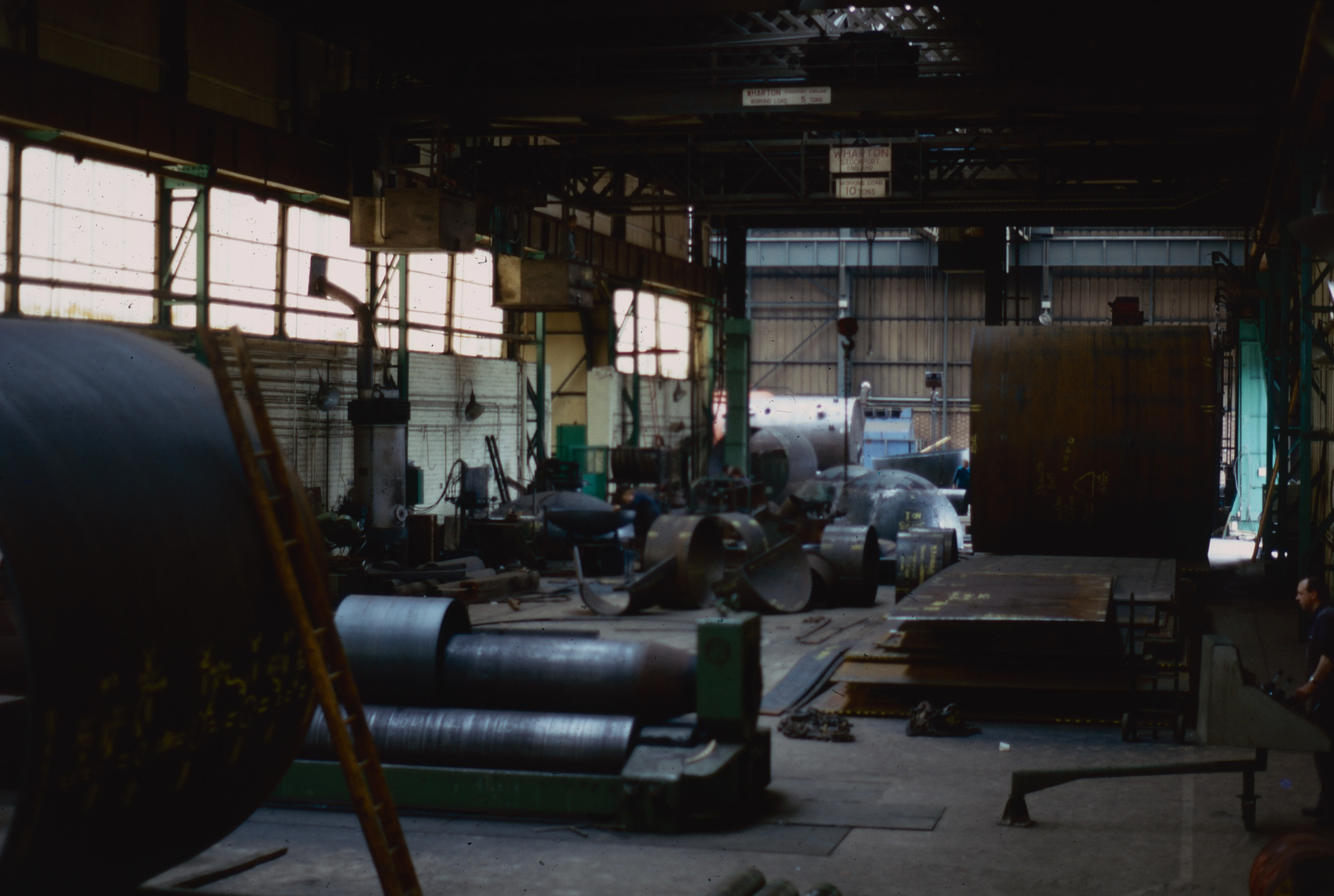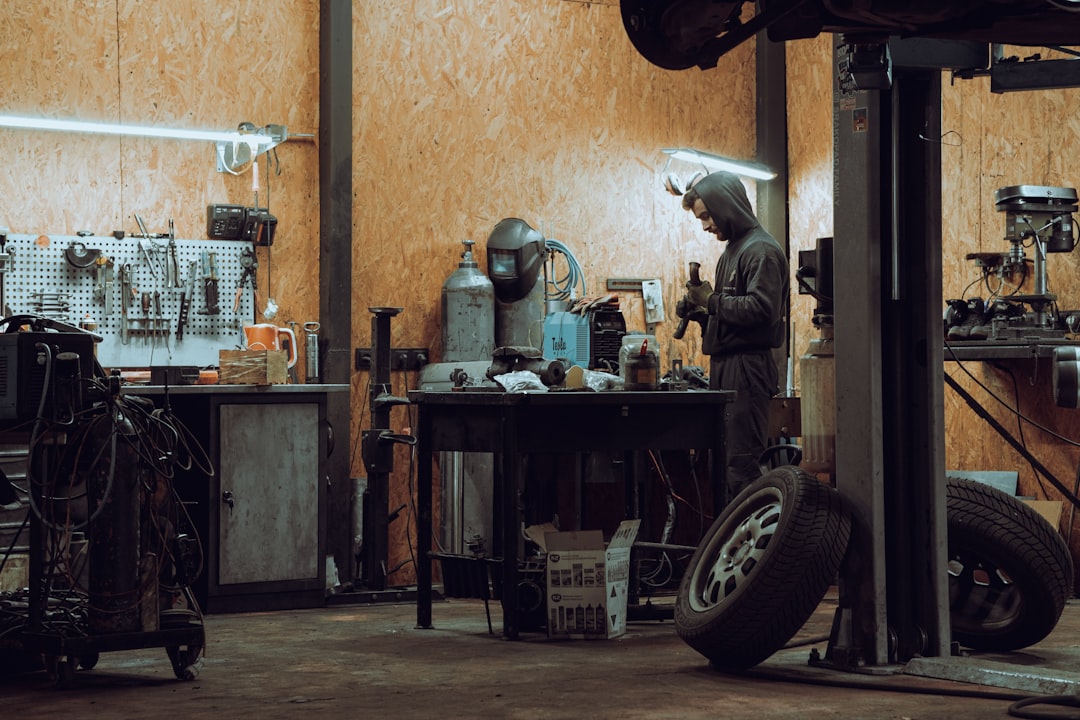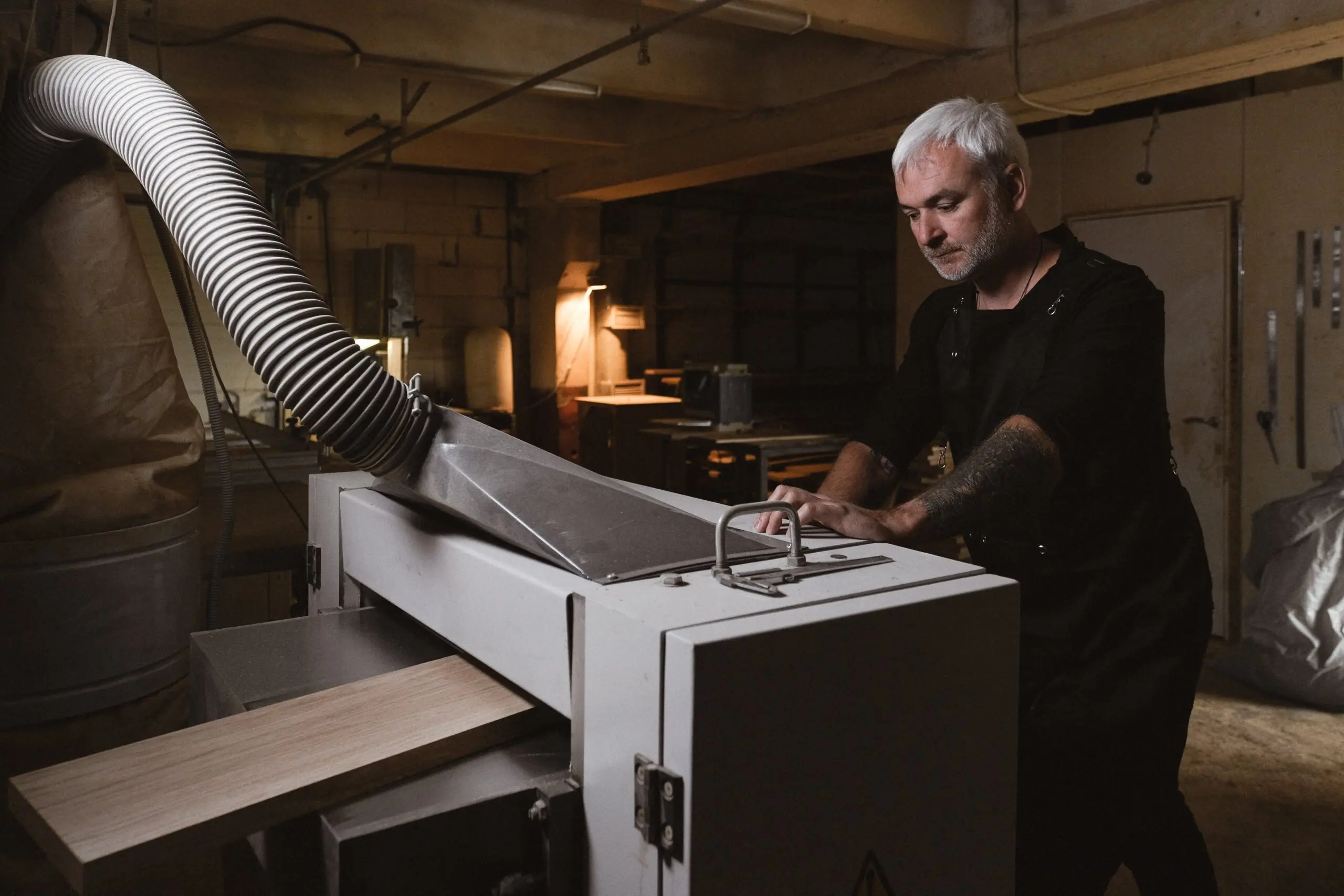
Unlocking Precision: The Swiss Turn Technique Unveiled

When manufacturing precision parts, every fraction of a millimeter counts. That’s where the Swiss Turn technique, a stellar performer in the world of precision machining, comes into play. For companies like yours, working in industries surrounded by the need for high accuracy and quality, Swiss turning stands as a beacon of hope.

The Swiss turning technique is more than just a machining process—it’s an art form. It was born in the Swiss watch industry of the 19th century from the necessity of creating smaller, intricate, and precise parts. Over time, the Swiss turn technique has extended its micro-precision prowess to myriad sectors, including aerospace, medical, industrial applications, and more.

What gives Swiss turn its edge? The minute your workpiece—often a slender bar of metal—enters a Swiss turning machine, it is not just spinning but also sliding axially. This tandem movement, along with the tool’s proximity to the workpiece, allows for heavier cuts without the risk of deflection—a common drawback in traditional lathes. The result? Precision parts with remarkable accuracy, and reduced vibration during the machining process.

As experts at TMC Technologies with more than 30 years in the field, we’ve embraced the Swiss turn technique extensively. It is part of our commitment to create precision parts that stand the test of time and meet the exacting standards of our clients.

To recap the Swiss turn process:

  • A high precision technique initially developed to support the Swiss watch industry,
  • Equipped to create small, intricate, precise parts,
  • Known for its dual movement process (spinning and sliding),
  • Allows for heavier cuts with minimal deflection,
  • Delivers greater precision with less vibration during the machining process.

components made using Swiss turn process - swiss turn infographic infographic-4-steps-tech

Understanding the Swiss Turn Lathe

What is a Swiss Turn Lathe?

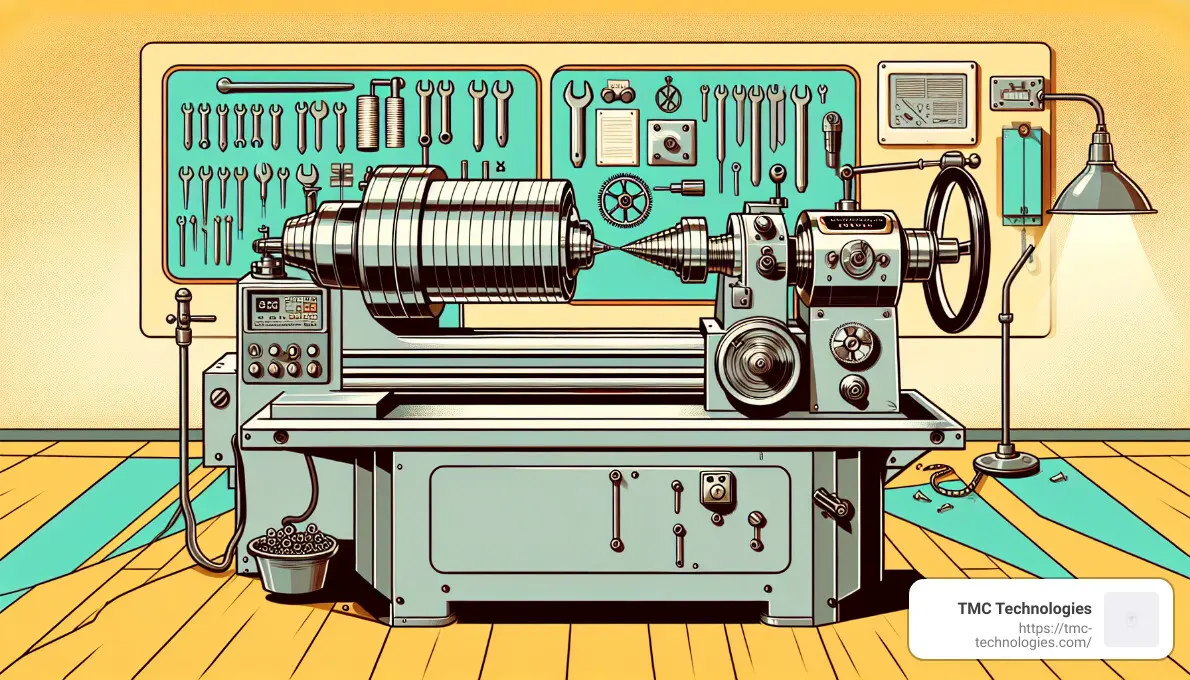
A Swiss turn lathe, also known as a Swiss-type automatic lathe or a sliding headstock lathe, is a machine utilized in the manufacture of precision components. Derived from the Swiss watchmaking industry, this machine is renowned for its capability to create small, intricate, and accurate parts (source: TMC Technologies).

The Swiss turn lathe’s unique design allows the workpiece to be cut close to the supporting guide bushing. This ensures rigidity and stability during the cutting process, permitting heavier cuts without the risk of deflection. Simultaneously, the machine’s moving headstock feeds the workpiece past the tool, enabling the machining of long, slender parts with impeccable precision.

The Difference Between a Lathe and a Swiss Lathe

While lathes and Swiss lathes are both used for turning operations, they differ significantly in their design and capabilities. A traditional lathe requires multiple cuts to achieve the desired result, and operators must manage low cutting forces to prevent excessive deflection.

On the other hand, a Swiss lathe is designed to handle heavier cuts in a single operation. The workpiece is supported right next to the tool, allowing for more aggressive cutting without the risk of part deflection (source: TMC Technologies).

Moreover, Swiss lathes have a live tooling feature, which allows for the use of different milling and drilling bits. This feature, combined with the machine’s rigidity, enables the Swiss lathe to create thinner and more precise cuts than other types of lathes.

In essence, while traditional lathes provide basic turning functions, Swiss lathes offer a more comprehensive range of capabilities, from drilling and milling to high-precision turning. This makes them a versatile and efficient option for manufacturing precision parts.

Swiss lathe - swiss turn

The Advantages of a Swiss Lathe

Speed and Accuracy of Swiss Turn Lathes

At TMC Technologies, we believe speed and precision are vital for successful machining. Swiss lathes, such as the ones we use, are renowned for their speed and accuracy. Faster and more accurate than other types of lathes, they can remove all necessary materials in a single heavy cut, avoiding deflection and ensuring an excellent surface finish. This high precision often eliminates the need for grinding, saving valuable time and resources.

Furthermore, these lathes are capable of machining intricate parts with a 0.01 mm diameter, enhancing their precision and making them suitable for a variety of applications.

The Ability to Machine Complex Parts in One Operation

Swiss lathes are not just fast and accurate, they’re also versatile. Thanks to their live tooling feature, Swiss lathes can handle different milling and drilling bits, enabling them to machine complex parts in a single operation. The ability to use multiple cutting tools at a time means that even the most complex parts can be made quickly and efficiently, reducing the need for multiple operations and ensuring consistent quality.

Elimination of Secondary Operations

One of the most significant advantages of Swiss lathes is their ability to eliminate secondary operations. Because Swiss machines can saw, drill, and mill, they can do away with many secondary operations, saving time and money.

At TMC Technologies, we’re proud to offer Swiss turn lathes that deliver significant savings. By using these lathes, we can provide our customers with high-quality CNC lathe parts without the high cost of production that often comes with traditional lathes.

The advantages of Swiss lathes are clear: speed, accuracy, versatility, and cost-effectiveness. By investing in Swiss turn lathes, we at TMC Technologies can provide our customers with the high-quality, precision parts they need. And, with the ability to machine complex parts in a single operation and eliminate secondary operations, Swiss lathes are the smart choice for any manufacturing company.

The Precision of Swiss Lathes

When it comes to precision, Swiss lathes set a high standard. These machines are renowned for their ability to produce intricate, minuscule components with unparalleled accuracy. With Swiss lathes, we can machine pieces with a diameter as small as 0.01 mm, showcasing their exceptional precision.

How Accurate is the Swiss Lathe?

Swiss lathes are designed with a moving headstock that enhances workpiece support. This feature significantly lowers vibration during machining, enhancing the precision of the final product. This design makes Swiss lathes especially effective for long and slender turned parts, where the material is cut very close to the point of support, reducing deflection.

This design is supplemented with segmental machining, a technique that ensures the resulting dimensions fall within the desired tolerances by producing parts in segments. With Swiss lathes, we can maintain a tolerance band as small as 0.0005 inches on the diameter of long, slender components, such as firing pins and cover pins used in military applications.

The Role of the Guide Bushing in Enhancing Precision

A fundamental component of Swiss lathes is the guide bushing. This element ensures that the cutting tool operates close to the bushing, preventing any form of deflection. It enables Swiss machines to maintain the desired tolerances, even when working with longer workpieces, an area where traditional CNC machining can struggle.

The guide bushing also enables the use of oil as a coolant in Swiss lathes, which has a lower heat capacity than water, resulting in better heat transfer away from the cutting edge. This, in turn, further enhances the precision of Swiss machining, producing high-quality finishes and eliminating the need for grinding.

By pairing the Swiss turn technique with our extensive experience and state-of-the-art equipment at TMC Technologies, we can provide our customers with parts that meet the highest standards of quality and precision. Through the precision of Swiss lathes, we are able to deliver on our promise of top-tier quality, longevity, and accuracy, meeting your most stringent manufacturing requirements.

Swiss Turn Technique in Various Industries

The Swiss turn technique has revolutionized precision manufacturing in various industries. It’s not just about creating components; it’s about delivering efficiency, accuracy, and reliability. Let’s explore how Swiss turn helps in key sectors.

Swiss Turn in Medical Technology

The medical industry demands high precision. Any error can have serious implications on patient health. Swiss turn, known for its exceptional accuracy, is central to manufacturing complex parts such as custom pins and surgical tools. The ability to work with diverse materials like stainless steel, aluminum, and titanium enables the creation of durable, high-quality devices.

At TMC Technologies, we’re committed to advancing medical technology. We manufacture devices and equipment to the highest standards, ensuring they contribute positively to patient care.

Swiss Turn in Aerospace

The aerospace industry requires unparalleled quality and precision. Swiss turn is vital in creating parts that can meet the challenging demands of this sector. We at TMC Technologies, with our experience in various alloys and special alloys, are now serving the aerospace industry. Our commitment to quality makes us a promising player in this sector.

Swiss Turn in High-End Industrial Applications

High-end industrial applications like electronics, oil and gas, and defense also benefit from Swiss turn. Its precision and ability to create intricate components with tight tolerances make it ideal for electronic devices. The oil and gas industry, which requires robust components to withstand harsh conditions, benefits from our precision machining capabilities and experience with a wide range of materials.

In the defense sector, reliability and durability are paramount. We deliver high-quality, precision-machined components that meet stringent military standards.

In conclusion, Swiss turn technique is pivotal to various industries. It’s not just about machining parts; it’s about delivering precision, reliability, and efficiency. At TMC Technologies, our commitment to quality and versatile capabilities make us your trusted partner for precision-machined components.

TMC Technologies and Swiss Turn Technique

TMC Technologies’ Expertise in Swiss Turn Technique

When it comes to the art of Swiss turn, we at TMC Technologies are experts. We have years of experience and advanced technology that set us apart in the industry. Our dedication to excellence is unwavering. We understand the intricacies of Swiss turn and use it to deliver the highest level of precision to our clients.

The Swiss turn process allows us to create intricate components with a diameter as small as 0.01 mm. This level of precision is unmatched. By supporting the workpiece very close to the cutting tool, we can make heavy cuts without the risk of deflection. This ensures accuracy and eliminates the need for secondary operations.

How TMC Technologies Provides High-Quality CNC Lathe Parts

At TMC Technologies, we don’t just manufacture parts, we create high-quality CNC components that meet the most stringent specifications. Our commitment to quality control is rigorous. Each part undergoes thorough checks throughout the production process.

We’re not just limited to Swiss turn. We offer a wide range of additional machining services. Our team of skilled engineers and technicians is adept at handling complex requirements. From design and fabrication services for custom applications to secondary operations like heat treating, we have the expertise and equipment to fulfill your needs.

Our state-of-the-art automated tools and skilled team enable us to deliver services efficiently and cost-effectively. We offer short lead times without compromising on workmanship. This means your production schedule stays on track.

But we’re more than just a Swiss turning machine shop. We see ourselves as a partner that understands your needs. That’s why we go the extra mile to provide tailored solutions. Our unmatched customer service sets us apart. We’re dedicated to ensuring your satisfaction.

In conclusion, when it comes to Swiss turning, we offer a unique combination of expertise, quality, and service. Whether you need high-quality CNC components, additional machining services, fast turnaround times, or exceptional customer service, TMC Technologies is the Swiss turning machine shop you can trust.

Conclusion: The Future of Swiss Turn Technique

As we look to the future, the Swiss turn technique continues to be an essential tool in the precision machining industry. The unparalleled accuracy and speed of Swiss lathes make them indispensable for any company requiring high-quality, intricate parts. The ability to perform complex operations in a single pass boosts efficiency and reduces the need for secondary operations.

At TMC Technologies, we’re always looking ahead. As technologies continue to evolve, so do our machining processes. We’re constantly innovating and adapting to ensure we stay at the forefront of the Swiss turn revolution. We understand the evolving needs of various industries and are committed to meeting them with precision, quality, and efficiency.

But it’s not just about the machinery. The future of the Swiss turn technique also lies in the hands of manufacturers who, like us, are dedicated to precision and quality. We believe in the power of innovation and the role it plays in advancing our industry. Our commitment to cutting-edge technology and continued learning enables us to consistently deliver top-tier quality components and services to our customers.

The Swiss turn technique, born in the watchmaking industry, has found its place in numerous sectors, including the medical, aerospace, and high-end industrial applications, thanks to its unparalleled precision and versatility. As these industries continue to demand more complex and precise components, we foresee the Swiss turn technique playing an even more critical role in the future.

In essence, the future of Swiss turn technique is bright and promising. With continuous advancements in technology, the possibilities for precision and efficiency are limitless. As your partners in manufacturing excellence, we at TMC Technologies are excited to navigate this dynamic landscape with you, providing the highest quality parts and the most reliable services you need to succeed.

In the world of CNC machining, Swiss turn is more than just a manufacturing technique—it’s an art form, a mastery of precision and accuracy that defines a new standard in the production of complex parts. As we continue to unlock its potential, we’re not just embracing a technique—we’re embracing the future.

Swiss turn future - swiss turn

Join us on this journey towards a future of unparalleled efficiency, precision, and productivity. Let’s shape the future of Swiss turn together.
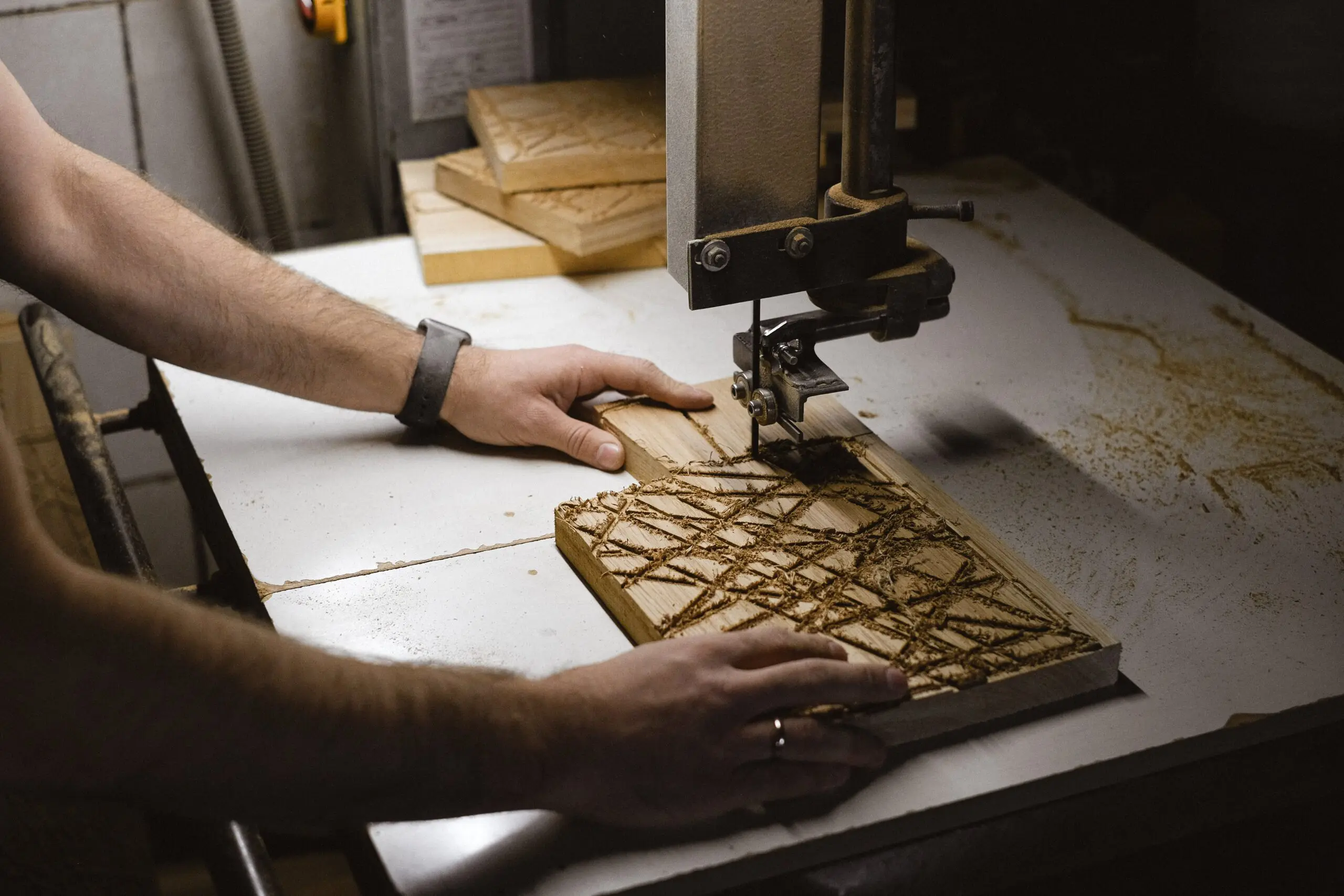
The Easiest Way to Achieve Precision in Turning Projects

Introduction to Precision Turning

Are you searching for a path that leads to precision-crafted components for your machinery? You’re not alone. Every manufacturing company understands the crucial role of precision-crafted parts in producing industrial machinery that performs accurately, efficiently, and stands up to the test of time. One such tool that ensures these desired features is Precision Turning.

Definition and Importance of Precision Turning

Precision turning is a type of machining process that involves the creation of intricate parts with extremely tight tolerances. This process is generally carried out using advanced Computer Numerical Control (CNC) equipment, enabling companies to work to precise specs, shape materials into exact dimensions, and consistently produce high-quality parts.

Here at TMC Technologies, we know the importance of getting every detail right. We have seen how precision turning can transform the efficiency of manufacturing processes, and the overall performance and longevity of machinery.

The Role of Precision Turning in Various Industries

The impact of precision turning spans multiple industry sectors, including aerospace, medical, automotive, and defense. Each of these industries relies heavily on precision-direct components to function. For reference, in aerospace, it’s about crafting safe, reliable parts for aircrafts. In the medical field, the stakes are even higher, as precision and reliability can directly impact patient health.

So, what does it mean for you?

No matter what sector you’re in, if your business needs finely-tuned, intricate parts, precision turning should be a key pillar of your manufacturing strategy. We’ve set up this infographic to give you an overview of how precision turning fits into different industrial applications, check it out!

An infographic showing the role of precision turning in various industries - precision turning infographic brainstorm-4-items

Key Takeaways:

  1. Precision Turning refers to the creation of parts with extremely tight tolerances.
  2. It is used in various industries, including aerospace, defense, automotive, and medical.
  3. Precision Turning involves the use of advanced CNC Equipment.
  4. For reliable and top-tier quality precision turning, consider TMC Technologies as a trusted partner.

Understanding the Precision Turning Process

Precision turning is a vital process in the manufacturing world. It is used in industries like aerospace, defense, automotive, and medical to create parts with extremely tight tolerances. Understanding the process can help you make more informed decisions about your manufacturing needs.

The Role of CNC Machines in Precision Turning

A significant part of the precision turning process is the use of Computer Numerical Control (CNC) machines. These machines are the backbone of precision turning. They use computer-aided design (CAD) and computer-aided manufacturing (CAM) software to control the cutting tools that shape the raw material into the desired part.

CNC machines offer a high degree of precision and repeatability, making them ideal for creating complex parts in large quantities. At TMC Technologies, we use advanced CNC equipment to ensure that every component we manufacture meets the exact specifications of our customers.

Different Types of Precision Turning Processes

Several types of precision turning processes exist, each ideal for different applications. The two most common are precision CNC milling and precision CNC turning.

Precision CNC Milling is a multi-axis machining process that uses a milling machine to create parts. This machine moves along the X, Y, and Z linear axes and A and B rotational axes, allowing for the creation of intricate shapes and geometries.

Precision CNC Turning, on the other hand, involves removing material to generate the desired shape. This process is particularly useful for creating parts with cylindrical shapes like screws, nuts, threads, connector pins, fasteners, and shafts.

The choice between milling and turning depends on the complexity of the part and the material being used.

The Importance of Material Selection in Precision Turning

The material used in precision turning can greatly impact the quality and functionality of the final product. Some materials are easier to machine than others, and different materials offer different properties, such as tensile strength, corrosion resistance, and thermal conductivity.

At TMC Technologies, we work with a range of materials, including aluminum, steel, stainless steel, and plastic polymers. We carefully select the best material for each project to ensure the final product meets the exact requirements of our customers.

Material Selection - precision turning

In Conclusion
Understanding the precision turning process is crucial for any business requiring high-quality, finely-tuned components. From the role of CNC machines to the importance of material selection, each stage of the process plays a pivotal role in producing the perfect part. At TMC Technologies, we pride ourselves on our mastery of this process and our commitment to delivering top-tier quality parts.

The Role of TMC Technologies in Precision Turning

Precision turning is a key player in many industries, and TMC Technologies is at the forefront of this domain. As we delve deeper into the role of TMC Technologies in precision turning, we’ll look at our company’s overview, unique selling proposition, and expertise.

Overview of TMC Technologies

We’ve been part of the precision turning industry for many years. Our reputation as a leader in the realm of precision machining and manufacturing is a testament to our commitment to quality and precision. We’re not just manufacturers; we’re reliable partners who understand your needs, value quality, and deliver precision. Whether you need high-quality CNC lathe parts or custom fabrication services, we stand ready to serve.

TMC Technologies’ Unique Selling Proposition

What sets us apart? It’s our remarkable blend of extensive industry experience, cutting-edge technology, rigorous quality control, and steadfast commitment to customer satisfaction. We go beyond just manufacturing to offer a range of services, including design and fabrication for custom applications. This focus on customization and personalized solutions underscores our commitment to meeting the unique needs of each client.

TMC Technologies’ Expertise in Precision Turning

Our team of experts leverages the latest automated technologies and their extensive experience in the field to deliver efficient and cost-effective solutions. From CNC milling, CNC turning, CNC grinding, to CNC fabrication services, we’re equipped with advanced CNC machines and a team of highly trained machinists dedicated to delivering precision and excellence.

Our Swiss turning operations are a prime example of our expertise. We house high-tech CNC Swiss Screw machines that allow for extreme accuracy, achieving tolerances within ±0.0001 inches. Our machines can also run unattended for extended periods, facilitating higher production volumes with less labor. This means that even for high-volume orders, we can ensure timely, accurate, and efficient production.

In conclusion, our commitment to driving innovation, delivering high-quality CNC lathe parts, and offering additional machining services backed by outstanding customer service, make us an ideal partner for your precision turning needs. We’re not just observers of the precision turning revolution; we’re active participants and pioneers. As we look to the future, we’re ready to help you navigate the evolving landscape of precision turning.

Achieving Precision in Turning Projects

The Importance of Quality Control in Precision Turning

In the world of precision turning, quality control is not just important—it’s essential. Precision is the name of the game, and every part must meet exact specifications. We at TMC Technologies know this better than anyone. Our quality control begins at the very heart of our operation: the machine. Each machine in our shop has its own dedicated inspection area, equipped with all the measuring instruments needed for each particular job.

The Role of Inspection and Measurement in Precision Turning

In the pursuit of precision, inspection and measurement play a critical role. We make sure to verify the dimensional tolerances of each part, ensuring that they conform to the strictest requirements of precision turning. Our checks are often conducted to resolutions as fine as 0.1µm. This guarantees that every part produced meets the highest standards of quality and precision.

The use of advanced tools, like Coordinated Measuring Machines (CMM) and optical profilometers, helps to ensure that every component meets the required design standard. This is part of our commitment to excellence, a commitment that ensures the safety and performance of every component we produce.

The Benefits of Working Closely with Buyers for Efficient Production Runs

Precision turning is not just about the machines and the parts they produce. It’s also about the people involved—especially our buyers. We work closely with our buyers to ensure that their needs are met with the highest standards of quality and precision.

By understanding your requirements, we can provide you with quality machined components at competitive prices. More importantly, we make sure that delivery dates are met. This helps to ensure that your production runs efficiently, propelling your business towards success.

Remember, our partnerships, certifications, and customer reviews provide valuable insights into our operational capacity and the quality of service we provide.

In conclusion, achieving precision in turning projects is a team effort. It involves quality control, rigorous inspection and measurement, and close collaboration with buyers. With TMC Technologies as your partner, you can be sure that your precision turning needs will be met with the highest standards of quality and precision.

Precision Turning Applications and Industries

Precision turning is an integral part of several industries. Let’s explore how this manufacturing process is applied in the aerospace, electronics, medical, and optical industries.

Precision Turning in the Aerospace Industry

Aerospace components demand the utmost precision. The slightest error can lead to catastrophic consequences. This is why aerospace manufacturers rely heavily on precision turning.

In aerospace CNC machining, precision CNC milling and turning are paramount. They help create intricate shapes and geometries, ensuring the components’ functionality and safety. Precision turning is especially useful for creating cylindrical parts, such as screws, fasteners, connector pins, and shafts, which are essential in aerospace applications.

At TMC Technologies, we understand the high-stakes nature of the aerospace industry and strictly adhere to the industry’s stringent safety and precision standards. Our advanced precision turning machinery, including multi-axis CNC machines, guarantees the highest levels of accuracy, often within ±0.0001 inches.

Precision Turning in the Electronics Industry

As electronic devices become smaller and more complex, the demand for precision-machined parts grows. Precision turning enables us to craft intricate components with tight tolerances, contributing to the development of more efficient electronic devices.

With the aid of Computer Numerical Control (CNC) technology, our precision turning operations ensure a high degree of repeatability. This means every component we produce matches the original design specifications, contributing to the reliability and performance of your electronic devices.

Precision Turning in the Medical Industry

In the medical industry, precision is not just a requirement—it’s a matter of life and death. Precision turning is crucial in the production of medical devices and surgical tools, where precision and reliability directly impact patient health.

We use Swiss machining, known for its superior precision, to manufacture complex medical parts such as custom pins and surgical tools. Our precision turning services ensure that each part is crafted with the highest degree of accuracy, ensuring the safety and effectiveness of your medical devices.

Precision Turning in the Optical Industry

Ultra-precision turning is an essential manufacturing process in the optical industry. It’s used for machining aspherical and free-form surfaces for optical components. This process presents an interesting alternative to grinding for some types of material.

At TMC Technologies, our precision turning capabilities extend to the optical industry. We ensure the highest precision and quality in crafting your optical components, enabling us to meet and exceed your expectations.

In summary, precision turning plays a critical role in various industries, enabling the production of high-precision components that meet exact specifications. As your trusted partner, TMC Technologies is committed to delivering top-notch precision turning services that cater to your specific industry’s needs.

Conclusion: The Future of Precision Turning

As we look ahead, precision turning is not just a trend but the future of manufacturing. It’s set to redefine the manufacturing landscape, bringing unmatched precision, efficiency, and innovation to the table.

The Growing Demand for Precision Turning

The demand for precision turning is growing, driven by advancements in technology like AI, machine learning, and Industry 4.0. More industries are recognizing the value of precision-turned components and their potential to enhance efficiency and productivity. The drive for higher precision and more intricate parts is pushing the boundaries of what’s possible with precision turning.

How TMC Technologies is Meeting this Demand

At TMC Technologies, we are primed and ready to meet this growing demand. We are harnessing the power of technology and our expertise in precision turning to deliver high-quality CNC lathe parts that meet the exacting standards of our customers.

Our unique selling proposition – top-tier quality CNC components – is more relevant than ever in this new era of precision turning. By providing additional machining services, such as tool design and fabrication for custom applications, we are able to meet the diverse and evolving needs of our customers, setting us apart in the market.

The Role of Innovation and Technology in the Future of Precision Turning

Innovation and technology are fueling the future of precision turning. Advanced sensors and control systems are playing a crucial role, ensuring optimal functioning and output of machine tools. At TMC Technologies, we leverage advanced CNC capabilities, including conversational control programming, to ensure the flexibility and capability of our precision turning services.

We are continuously innovating, adapting to the changing landscape and ensuring that we remain at the forefront of the precision turning revolution. Our commitment to innovation, quality, and customer satisfaction places us in a prime position to lead the way in the future of precision turning.

In conclusion, the future of precision turning is bright and promising, heralding a new era of precision, efficiency, and innovation. As we embrace this future, we at TMC Technologies are committed to being your trusted partner, providing top-notch precision turning services that meet your specific needs.

Precision Turning - precision turning

The Ultimate Guide to Swiss-Type Turning

Welcome to the fascinating world of Swiss-type turning. If you’re in the manufacturing industry, producing complex and intricate components with high precision is likely at the top of your priority list. It’s not an easy task; balancing the need for quality, accuracy, and speed can be a real headache. But what if we told you that there’s a solution? We at TMC Technologies have excelled in just this with the Swiss-type turning process, making precision machining not just possible, but efficient and reliable.

Swiss-type turning is not your ordinary machining process. Born in the gold-standard watchmaking industry of Switzerland, Swiss-type turning is a specialized process that leverages a unique machine configuration—characterized by a moving, or sliding, headstock and guide bushing—and advanced practices to churn out complex parts with unbelievable precision. It’s like the Swiss Army knife of the machining world, capable of turning, milling, drilling, and sawing in one go.

To give you a brief understanding, here’s a rundown:

  • Swiss-type turning machines support the workpiece close to the cutting tool, allowing for heavy, accurate cuts without deflection—a common issue in traditional lathes.
  • They’re capable of achieving extremely tight tolerances on complex components.
  • They reduce the need for multiple setups and secondary processes.
  • They can perform several operations simultaneously, producing intricate components in a single cycle.
  • And last but not least, they leave an excellent surface finish.

Infographic on the advantages of Swiss-type Turning - swiss type turning infographic process-5-steps-informal

Stay with us as we dive deeper into this treasured machining process, explaining why it could be the panacea for machining headaches you’ve been looking for. Whether you’re new to the concept or already familiar, there’s always more to learn, and we’re here to guide you on your journey.

History and Evolution of Swiss-Type Turning

Origin of Swiss-Type Turning in the Watch Industry

Swiss watches - swiss type turning

Swiss-type turning, or Swiss turning for short, has a rich history that dates back to the 19th century. It was pioneered in Switzerland, hence the name, to meet the high demand for miniature screws in the burgeoning watch industry. Swiss turning was the key to mass-producing these small, precision parts, and it quickly became the gold standard for the watchmaking industry.

The original Swiss lathes were belt-driven, mechanically cam-controlled machines that focused solely on producing miniature watch screws. Their design was a game-changer. Unlike traditional lathes that held the workpiece at one or both ends, the Swiss lathe allowed the material to both spin and slide axially through a guide bushing. This ingenious design minimized tool force effects on the part, allowing for far greater precision work.

Evolution of Swiss-Type Turning Over the Years

Fast forward to the 21st century, and Swiss turning has greatly evolved. Today’s Swiss lathes are fully CNC operated, offering a suite of capabilities, including milling and even laser cutting. They’ve gone from exclusively making watch screws to producing parts for a diverse array of industries.

Today, components produced by Swiss turning can be found in everything from complex hydraulic valves for heavy construction equipment to intricate connectors in electronics. These machines have even found a place in the music industry, creating posts for musical instruments like flutes and clarinets.

Swiss turning has also seen a surge in popularity in recent years. More and more shops are installing Swiss lathes for the first time, recognizing their value in creating high-precision parts. Their ability to take heavy cuts while maintaining low cutting forces makes them stand out from traditional lathes.

In a nutshell, Swiss turning has come a long way from its humble beginnings in the Swiss watch industry. It has evolved to meet the needs of 21st-century manufacturing, proving its worth in a variety of applications. And as the demand for small, precision parts continues to grow, Swiss turning is poised to play an even bigger role in the future of machining.

Understanding the Swiss-Type Turning Process

To understand the Swiss-type turning process, it’s crucial to break it down into its key components. These include the guide bushing, Z-axis motion and segmenting, the sliding headstock, and the use of oil as a cutting fluid.

The Role of the Guide Bushing in Swiss-Type Turning

The guide bushing is the heart of Swiss-type turning. This component is responsible for holding the workpiece close to the cutting tool, thereby reducing deflection and ensuring high precision. The guide bushing also allows for the workpiece to be fed through the machine along the Z-axis, creating a sliding motion that enables the machining of long and slender parts.

Sizing is essential when it comes to the guide bushing. Using a guide bushing that is the wrong size for the workpiece can result in errors in concentricity. Also, guide bushings come in various materials—carbide sleeved, Meehanite, steel—since the potential for interaction with the workpiece material is another crucial factor to consider.

The Unique Features of Swiss-Type Turning: Z-Axis Motion and Segmenting

Unlike conventional turning, where the Z-axis motion comes from the tool, in Swiss turning, the Z-axis motion comes from the stock moving. This unique feature changes the nature of programming offsets and allows for the workpiece to be machined in segments.

Segmenting is necessary due to the length of the guide bushing. If the part were not segmented into sections, the bar stock would fall out of the guide bushing when the stock is retracted. This segmenting typically means machining the part in sections of 0.750 inch, the length of the standard guide bushing land area.

The Importance of the Sliding Headstock in Swiss-Type Turning

The sliding headstock is another key component of Swiss-type turning. Unlike conventional lathes that have a fixed headstock, the headstock in Swiss machines moves, allowing the workpiece to be repositioned along the Z-axis as the machining process takes place. This feature, combined with the guide bushing, allows for heavy cuts to be safely taken because the work is supported right next to the tool.

The Use of Oil as Cutting Fluid in Swiss-Type Turning

Most Swiss-type machines use oil as the cutting fluid rather than water. The lubricity of oil is greater, providing benefits such as freedom from odor-causing bacteria growth and prune-like hands that result from being exposed to water-based coolant all day. However, oil is less effective at dissipating heat compared to water, which means a Swiss machine cutting quickly can become hot inside the work zone.

Understanding these components and their roles in the Swiss-type turning process can help manufacturers maximize the efficiency and precision of their operations. At TMC Technologies, we leverage these features to deliver top-tier CNC lathe parts and additional machining services, ensuring the accuracy and longevity of our clients’ machinery.

Benefits of Swiss-Type Turning

Swiss-type turning is an outstanding method in the manufacturing world, and we at TMC Technologies are proud to offer this service. We stand by the many benefits it offers, particularly in terms of precision and accuracy, efficiency and speed, and versatility.

Precision and Accuracy of Swiss-Type Turning

Swiss-type turning machines are known for their exceptional accuracy. They’re designed to maintain precision over time, unaffected by tool force. This makes them ideal for manufacturing complex-shaped parts with tight tolerances. In fact, Swiss lathes can achieve tolerances within ±0.0001 inches, a feat unmatched by most other machining methods.

Coupled with their ability to run unattended for extended periods, Swiss machines deliver high-volume production without compromising on quality. This makes them a go-to choice for industries requiring top-tier precision like aerospace, medical, and electronics.

Efficiency and Speed of Swiss-Type Turning

One of the key advantages of Swiss-type turning machines is their efficiency. Equipped with multiple axes, these machines can perform numerous operations in a single machining cycle, including drilling, milling, and thread cutting.

This not only shortens setup times but also eliminates the need for secondary processes. The result? Faster production times and more efficient manufacturing processes. At TMC Technologies, we leverage this efficiency to deliver high-quality parts that meet and often exceed customer expectations.

Versatility of Swiss-Type Turning: From Watches to Medical Devices

Swiss-type turning machines are versatile, capable of handling complex part designs efficiently. They were originally used for making small, intricate parts like electronic components and watch parts, a testament to their precision capabilities.

Nowadays, they cater to a range of industries, from aerospace and defense to medical, electronics, oil and gas, and the firearms industry. Whether you need small, intricate components with tight tolerances or robust and reliable parts that can withstand harsh operating conditions, Swiss-type turning machines can deliver.

At TMC Technologies, we tap into this versatility to serve the unique needs of various sectors. We are committed to delivering high-quality, precision machined components that meet the stringent standards of these industries.

In conclusion, Swiss-type turning offers numerous benefits, making it a popular choice in the manufacturing sector. At TMC Technologies, we harness these benefits to provide top-tier machining services, ensuring our clients receive the best parts for their specific applications.

Swiss-Type Turning vs Conventional Turning

When comparing different machining methods, it’s crucial to understand the differences and advantages each one offers. Let’s explore how Swiss-type turning differs from conventional turning.

Differences in the Method of Holding the Workpiece

In conventional turning, the workpiece remains stationary while the cutting tool moves around it. This process is capable of creating a variety of shapes, but precision can be a challenge when working with small or complex components. In contrast, Swiss-type turning machines use a moving headstock that allows the workpiece to be repositioned along the z-axis as it undergoes the machining process. The workpiece is fed through a guide bushing, ensuring the machining is always performed near the point of support. This method provides superior precision, particularly for slender and complex parts.

Differences in the Machining Process

The machining process also varies between these two methods. Conventional lathes typically have three or four axes, limiting the complexity of the parts they can produce. On the other hand, a Swiss-type machine can have anywhere from seven to 13 axes. This allows for more complex parts to be produced in a single cycle, eliminating the need for secondary processes. At TMC Technologies, we leverage this feature of Swiss-type turning to deliver precision machining services that meet the exact specifications of our clients.

Differences in the Final Product Quality

The quality of the final product is one of the most critical considerations for manufacturers. With conventional turning, achieving extreme precision can be a challenge, particularly for intricate components. Swiss-type turning, however, is renowned for its ability to achieve extremely tight tolerances, even for complex parts. This level of precision results in a superior surface finish and a product that meets the highest quality standards.

At TMC Technologies, we adhere to rigorous quality control checks to ensure that each component we produce meets the highest standards of precision and accuracy. We are dedicated to providing not only efficient but also cost-effective services. Our commitment to quality and precision makes us a trusted choice for companies in need of high-quality Swiss-type turned components.

Choosing the Right Swiss-Type Turning Machine

When it comes to Swiss-type turning, not all machines are created equal. To maximize productivity and ensure top-tier quality, it’s vital to choose the right Swiss-type turning machine. Here are some factors to consider:

Factors to Consider When Choosing a Swiss-Type Turning Machine

Complexity of Parts: Swiss CNC lathes excel at producing small, intricate parts with tight tolerances. If your operation involves complex geometries, a Swiss CNC lathe could significantly enhance precision and quality.

Volume of Production: Swiss CNC lathes are perfect for high-volume production. If you manufacture a large number of parts, a Swiss CNC lathe could considerably increase efficiency and reduce lead times.

Quality Control: Swiss CNC lathes come with advanced monitoring and control systems to ensure top-quality production. If consistent quality control is crucial for your operation, a Swiss CNC lathe could provide the needed precision and accuracy.

Labor Costs: Swiss CNC lathes are highly automated, reducing the need for manual labor and boosting efficiency. If labor costs are a concern, a Swiss CNC lathe could be a cost-effective solution.

We at TMC Technologies believe that each company’s needs and resources are unique. Therefore, it’s important to work with an experienced supplier or manufacturer to ensure you choose the right machine for your operation.

The Role of Technical Service and Customer Support in Swiss-Type Turning

Choosing the right Swiss-type turning machine is just the start. Reliable technical service, readily available replacement parts, and ongoing customer support are critical for the efficient operation of your machine.

At TMC Technologies, we understand the importance of these factors. We provide easily accessible technical service and customer support. Our team is ready to answer your questions, provide applications assistance, and help you find the perfect machine that fits your needs.

Ultimately, the right Swiss-type turning machine, coupled with excellent technical service and customer support, can significantly reduce your true cost of ownership and provide the greatest return on investment.

Remember, Swiss-type turning is not just about choosing a machine; it’s about building a partnership with a reliable provider who can support your growth and success.

Conclusion: The Future of Swiss-Type Turning

Just as the past and present of Swiss-type turning have revolutionized the manufacturing sector, so we anticipate its future. The evolving needs of various industries, coupled with technological advancements, continue to shape the landscape of Swiss-type turning.

Technological advancements are already influencing the future of Swiss-type turning, with advanced sensors and control systems playing a crucial role . These systems control the movement and operation of the machine tools, improving their function and the final output. As the world of manufacturing evolves, businesses are continuously seeking ways to enhance accuracy and efficiency. The Swiss-type turning machines are at the forefront of this transformation, providing the precision and versatility needed in today’s competitive market.

Manufacturers also play a key role in shaping the future of Swiss-type turning. It lies in the hands of those who can adapt to the changing needs of different industries. At TMC Technologies, we consistently innovate and adapt to the evolving landscape, ensuring that we stay at the forefront of the Swiss-type turning revolution.

As we continue to invest in the latest technology and training, we are prepared to meet the rising demand for Swiss-type turning machines. Our commitment to customer satisfaction, quality, and precision means that when you partner with us, you’re partnering with a team that’s dedicated to your success.

The future of Swiss-type turning promises unparalleled levels of precision, efficiency, and innovation. As we look forward to the advancements that lie ahead, we are excited about the new possibilities that these developments will bring. Swiss-type turning is more than just a machining process; it’s a journey towards manufacturing excellence.

In conclusion, the future of Swiss-type turning is not just bright but also crucial in driving the next wave of manufacturing excellence. Companies like TMC Technologies are prepared to unlock new levels of precision, efficiency, and innovation, ensuring that clients stay at the cutting edge of their respective industries. Swiss-type turning is not just about choosing a machine; it’s about building a partnership with a reliable provider who can support your growth and success. Let us be your guide in this exciting journey towards the future of Swiss-type turning.

Swiss Type Turning - swiss type turning

Unveiling Carroll, IA’s Top Aerospace Machine Shops

Welcome to the world of aerospace machine shops in Carroll, IA – a renowned hub that powers much of the manufacturing prowess seen in this town. While you, the savvy manufacturer, vie for utmost accuracy and longevity in your machinery, the daunting task of landing a reliable partner might be weighing you down. Fear not, for your quest for top-tier quality CNC lathe parts and broader machining services need not extend beyond the boundaries of Carroll, IA.

Renowned in the industrial sphere for its impressive selection of machine shops, Carroll, IA is an anchor point for quality, precision, and reputation. Our role in this landscape remains unwavering – we’re here to meet your custom needs and enhance your industrial efficiency, all wrapped up in a package stamped with the TMC Technologies guarantee of quality.

But we’re not alone in this. Other key players such as D & S Machine & Tool Inc, Iowa Screw Machine Products, and Arnold Motor Supply are also contributing to the burgeoning machine shop realm. So, the question is no longer just “where can I find a supplier?” but “who is my reliable industrial partner in Carroll, IA?”

So, what does this landscape look like? To give you a snapshot of aerospace machine shops in Carroll, IA:

  • Material flexibility: From stainless steel to production-grade polymers, the versatility of these shops in material handling spells good news for a variety of industries.
  • Service diversity: Be it CNC milling, drilling, grinding, or threading, you name it, and we’re sure, Carroll, IA has a shop that offers it.
  • Noteworthy shops: TMC Technologies, D & S Machine & Tool Inc, Iowa Screw Machine Products, and Arnold Motor Supply top the list of reliable partners.

Key Aerospace Machining Services - aerospace machine shops Carroll, IA infographic pyramid-hierarchy-5-steps

As our journey goes deeper, we’ll unveil the importance, features, and impact of aerospace machine shops in Carroll, IA, in pushing your business to new heights.

The Importance of Aerospace Machine Shops in Carroll, IA

Aerospace machine shops in Carroll, IA are not just suppliers. They’re vital partners in the journey of industrial efficiency. These shops maintain the accuracy and longevity of your machinery, providing essential services that are crucial in various sectors, from agriculture to aerospace and military.

CNC machining services such as milling, turning, sawing, drilling, grinding, lapping, threading, and tapping are the lifeblood of these industries. It’s not just about the parts, but also the partners you choose to work with.

Choosing the right machine shop in Carroll, IA, goes beyond finding a supplier. It’s about selecting a partner that understands your needs, offers a broad range of services, and guarantees quality and precision.

TMC Technologies, for instance, is an example of a partner that is committed to meeting your specific needs, setting it apart in the competitive world of CNC machining. Our tool design and fabrication services for custom applications demonstrate our dedication to your success.

CNC Machining - aerospace machine shops Carroll, IA

In this age of automation, we at TMC Technologies believe that skilled professionals remain at the heart of the industry. As problem solvers and innovators, we navigate the complexity of modern machining tools, automation, and strict regulatory guidelines.

In conclusion, the value of high-quality aerospace machine shops in Carroll, IA, cannot be overstated. They’re the lifeline for businesses that rely on accurate, efficient, and durable machinery. So, whether you’re sourcing CNC lathe parts or seeking comprehensive machining services, remember the value of partnering with experienced, reliable, and quality-focused machine shops.

Stay with us as we delve deeper into the landscape of aerospace machine shops in Carroll, IA, exploring their roles, services, and how they contribute to various industries.

Overview of Aerospace Machine Shops in Carroll, IA

The aerospace machine shops based in Carroll, IA are known for their proficiency in producing top-tier quality components. They are not just suppliers, but partners in your journey towards maintaining the efficiency of your machinery. Some of the standout names in this sector include TMC Technologies and others like Napa Auto Parts Inc, D & S Machine & Tool Inc, Iowa Screw Machine Products, and Arnold Motor Supply.

These shops provide an array of services such as CNC milling, turning, sawing, drilling, grinding, lapping, threading, and tapping. All these services are critical in various industries, from agriculture and food processing to the aerospace and military sectors. These businesses also demonstrate their commitment to meeting specific customer needs through their tool design and fabrication for custom applications.

TMC Technologies, for instance, is a noteworthy player in the industry, offering CNC machining services with a commitment to quality, customer service, and competitive pricing. From prototype parts to high-volume production runs, we provide solutions for a range of needs and offer a variety of surface finishing options such as anodizing, electroless nickel plating, and powder coating.

Aerospace machine shops in Carroll, IA work with a wide range of materials including stainless steel, aluminum, and production-grade polymers. This versatility means they can adapt to the needs of various industries and clients.

At the heart of Carroll, IA’s machine shop ecosystem, you’ll find an unwavering commitment to precision, quality, and customer satisfaction. This makes Carroll, IA a hub for top-notch aerospace machine shops ready to push your business to new heights.

Remember, when choosing a machine shop in Carroll, IA, you’re not just finding a supplier. You’re selecting a partner that understands your needs, offers a broad range of services, and guarantees quality and precision.

In the following sections, we’ll take a closer look at one of the leading aerospace machine shops in Carroll, IA – TMC Technologies – and explore the key features that set top aerospace machine shops apart.

TMC Technologies: A Leading Aerospace Machine Shop in Carroll, IA

Carroll, IA, is home to many machine shops, but one stands out in the crowd – TMC Technologies. Established in 2017, we’ve quickly risen to the top, becoming a key player in the local economy and a preferred partner for companies across various industries.

History and Mission of TMC Technologies

Founded by Oscar Klassen, TMC Technologies started with a vision to provide tailored solutions to our clients. We believe that every client has unique needs, and it’s our mission to create custom applications that meet those needs perfectly. We started small but have grown to employ over 30 people, many of whom are recent high school graduates. By investing in skill development, we’re not just creating jobs; we’re empowering the next generation to thrive in the industry.

Services Offered by TMC Technologies

We’re more than just a machine shop; we’re a one-stop solution for all your machining needs. Our service portfolio includes design and 3D modeling, CNC turning and machining, grinding, various secondary operations, heat treating, and light fabrication/assembly. We also specialize in tool design and fabrication services, enabling us to create custom solutions for unique applications.

One of our key services is CNC machining of aerospace parts. With precision and accuracy as our guiding principles, we’ve developed a reputation for producing high-quality CNC machined parts that meet the stringent standards of the aerospace industry.

Industries Served by TMC Technologies

We cater to a broad range of markets, further highlighting our adaptability and expertise. These markets include Agriculture, Food Processing, Industrial, Firearms, and most notably, the Medical/Military/Aerospace sectors. This diversity in our clientele is a testament to our ability to understand and meet the specific needs of each industry.

In conclusion, TMC Technologies is more than just a machine shop. We’re a local economic powerhouse, driving job creation, fostering skill development, and bolstering the industrial sector in Carroll, IA. As we continue to grow and innovate, we remain committed to providing our clients with the best possible solutions, making us one of the leading aerospace machine shops in Carroll, IA.

Key Features of Top Aerospace Machine Shops in Carroll, IA

In the landscape of aerospace machine shops Carroll, IA, certain key features set the top players apart. Let’s uncover these features in more detail.

Precision 3, 4, and 5-axis CNC Machining Services

At the heart of top-tier aerospace machine shops like us at TMC Technologies, is our prowess in precision 3, 4, and 5-axis CNC machining services. The key here is the ability to work along multiple axes which allows us to create complex parts with high precision. This precision leads to improved productivity, speed, and increased reliability, crucial for components in the aerospace industry.

Variety of Materials Worked With

A top aerospace machine shop doesn’t limit itself to just one or two materials. We at TMC Technologies, for instance, work with a wide array of materials including aluminum, titanium, and engineering plastics like PEEK. This flexibility allows us to create parts that meet the unique demands of aerospace applications, such as high tensile strength, lightweight, and excellent performance under high temperatures.

Additional Services Provided

More than just machining, leading aerospace machine shops in Carroll, IA offer additional services. These could include quality control measures, custom design services, and full automotive services. We at TMC Technologies, for example, ensure every product goes through strict quality control measures to ensure customer satisfaction.

Production Volumes and Order Flexibility

The best aerospace machine shops understand that every client is unique, with different needs and demands. That’s why we offer flexibility when it comes to order volumes, whether it’s a small batch for prototype testing or large-scale production runs. We also strive to deliver within your required timeline, making us a reliable partner for all your machining needs.

When choosing the right aerospace machine shop, consider these key features. Not only will this ensure high-quality, precise parts but also a partnership that values your unique needs and timelines. It’s this commitment to quality and customer satisfaction that makes us at TMC Technologies one of the top aerospace machine shops in Carroll, IA.

How Carroll, IA Aerospace Machine Shops Support Various Industries

Machine shops in Carroll, IA, including TMC Technologies, are not limited to the aerospace industry. They play an integral role in supporting a variety of other industries, offering a wide range of services beyond CNC machining. From the electronics and telecommunications industry to automotive and construction, and even marine, nuclear, and railroad sectors – the machine shops in Carroll, IA are vital cogs in the industrial machinery of these sectors.

Electronics and Telecommunications

In today’s digital age, the electronics and telecommunications industries are constantly evolving. This rapid development calls for precision parts that only machine shops like ours can offer. We use advanced CNC machining to create complex parts that meet exact requirements. This supports the development of new gadgets and communication devices, ensuring they function optimally and reliably.

Automotive and Construction

Machine shops in Carroll, IA also play a significant role in the automotive and construction industries. At TMC Technologies, we specialize in CNC machining for the automotive industry. We help create complex parts that are critical for vehicles and construction machinery. From engine components to structural elements, our high-quality machining services ensure the safety, efficiency, and longevity of these machines.

Marine, Nuclear, and Railroad

The marine, nuclear, and railroad industries also depend on the services of machine shops. These sectors require specialized parts that can withstand harsh conditions and high stress. We at TMC Technologies understand these unique needs and provide custom machining services to cater to them. Whether it’s parts for a ship’s engine, components for nuclear power plants, or elements for railroad systems – our precision machining services deliver the quality and reliability these sectors demand.

In sum, aerospace machine shops in Carroll, IA, including TMC Technologies, provide invaluable services to various industries. We ensure the smooth operation of numerous industrial machinery and systems by delivering high-quality, precision-machined components. It’s this versatility and commitment to quality that make us a trusted partner for businesses in a wide array of sectors.

Conclusion

In the bustling world of industry, where machinery breathes life into business operations, the importance of reliable aerospace machine shops in Carroll, IA, cannot be overstated. A city that’s more than just fields of corn and soybeans, Carroll is a vibrant hub for top-notch machine shops, each with its unique strengths and specialties. From established names like Eldridge Welding & Machine to our very own TMC Technologies, businesses in Carroll have a wealth of options when it comes to sourcing top-tier quality CNC lathe parts and services.

It’s not just about the parts, though. In this industry, the partners you choose to work with can make a world of difference. That’s why we at TMC Technologies have always prioritized building strong relationships with our clients. We understand your needs, we offer a broad range of services, and we guarantee quality and precision in every component we produce.

From our roots in Carroll, IA, we have grown into a leading industry player with a reputation for delivering high-quality, precision-machined components. Our expertise ranges from prototype parts to high-volume production runs. We work with a variety of materials, including stainless steel, aluminum, and production-grade polymers, and offer a range of surface finishing options such as anodizing, electroless nickel plating, and powder coating.

If you’re a manufacturing company in Carroll, IA, seeking a reliable source for top-tier quality CNC lathe parts, remember the value of partnering with experienced, reliable, and quality-focused machine shops like TMC Technologies. We’re not just suppliers; we’re partners in your journey towards industrial efficiency.

In Carroll, IA, and beyond, we’re ready to help push your business to new heights. Let’s work together to ensure the accuracy and longevity of your machinery. Because in the end, it’s not just about the parts—it’s about the partnerships we forge and the success we build together.

Precision in Flight: CNC Machining Aerospace Parts

Introduction to CNC Machining in Aerospace Industry

Precision in flight is a non-negotiable demand in an industry valued over $800 billion! The global aerospace industry, known for its cutting edge innovation, leaps ahead with the integration of CNC machining in the manufacturing process. One faulty or imperfect component can not only cost thousands of dollars in damages but can also pose significant safety risks.

One cannot overstress the importance of computer-aided manufacturing services such as CNC machining aerospace parts, in this domain. They require immense precision and adhere to the strictest safety standards. In simpler terms, CNC machining is the star player capable of creating an extensive range of intricate parts for an aircraft, from tiny interior details to significant exterior parts, maintaining an impressive level of safety and precision.

Aerospace CNC Machining in a Nutshell

  • CNC machining provides the highest level of precision
  • Dimension, tolerances & performance must meet strictest standards
  • Material choice includes titanium, Kovar, aluminum, stainless steel, copper, bronze & some plastics
  • Applications range from sheet metal fabrication, injection moulding, 3D printing & more
  • Companies like TMC Technologies work with aerospace-grade metals and plastics
  • Machine systems can hit tolerances up to 0.002 mm
  • Post-processing & inspection systems double check prototypes and end-use components hitting safety standards

An infographic showing steps involved in aerospace CNC machining - cnc machining aerospace parts infographic pillar-4-steps

Understanding the Materials Used in Aerospace CNC Machining

The journey to creating high-performance aerospace parts begins with choosing the right materials. Let’s dive into the key materials we use at TMC Technologies in CNC machining aerospace parts.

The Use of Aluminum and Aluminum Alloys in Aerospace Parts

The star of the show in our machining process is often aluminum. This metal shines due to its lightweight nature and high strength. It’s about 33% lighter than steel, making it a top choice for the aerospace industry where every ounce counts. But it’s not just about being lightweight. Aluminum is also quite strong, giving our aerospace components the durability they need to withstand the rigorous conditions of flight.

Among the various aluminum alloys we work with, aluminum 7075 stands out. Its primary alloying component is zinc, which contributes to its impressive fatigue strength. This alloy is used extensively in the production of wings, fuselage, and support structure components. We also work with other machinable aircraft aluminum alloys like 4047 (for cladding/filler), 6951 (for fins), and 6063 (for structural parts).

The Role of Titanium and Titanium Alloys in Aerospace Components

Titanium is another heavyweight in our material lineup. Renowned for its high strength-to-weight ratio and corrosion resistance, this metal is a must for high-temperature applications.

Major commercial and military aircraft like the Airbus A380 and Boeing B787, as well as helicopters like the F-22, F/A-18, and UH-60 Black Hawk, all require significant amounts of titanium. We use it to craft components such as discs, blades, shafts, and casings for airframes and jet engines.

There’s a catch, though. Machining titanium can be challenging due to its hardness, which can lead to tool wear and heat buildup. To counter this, we run our titanium aerospace machining at a lower RPM and with a higher chip load.

The Application of High-Performance Plastics in Aerospace CNC Machining

In addition to metals, we also work with high-performance plastics. These materials are known for their excellent strength-to-weight ratios and resistance to harsh aerospace conditions.

Each material brings its unique properties and machining requirements to the table. By understanding these materials, we can make informed decisions that ensure the production of high-quality, accurate, and durable aerospace parts.

In the next section, we’ll dive into the benefits of CNC machining for aerospace parts, from creating lightweight components to ensuring high accuracy and precision. Stay tuned!

The Benefits of CNC Machining for Aerospace Parts

When it comes to manufacturing aerospace components, precision is everything. Let’s explore the benefits that CNC machining brings to the table in the aviation industry.

Creating Lightweight Components with CNC Machining

In aerospace, weight is a crucial factor. The heavier an aircraft, the more fuel it needs to fly, which can lead to increased costs and environmental impact. To tackle this, CNC machining is used to create robust yet lightweight components.

This is achieved by creating thin-walled structures from lightweight but strong materials. The result is high-quality, reliable components that don’t weigh down the aircraft. This is one of the key reasons why CNC machining is so valued in the aerospace industry.

Ensuring High Accuracy and Precision with CNC Machining

In the world of aerospace, there’s no room for error. A slight malfunction can lead to catastrophic results. That’s where CNC machining comes in.

CNC machining is known for its high accuracy and precision, producing parts that are accurate to a few micrometers with minimal margin for error. This precision is vital in ensuring that components fit accurately into an aircraft, preventing part failure and consequential loss of property.

At TMC Technologies, we use state-of-the-art equipment to ensure maximum precision in every part we produce.

Achieving Consistency and Efficiency in Aerospace Manufacturing with CNC Machining

Efficiency is king in manufacturing, and the aerospace industry is no exception. CNC machining, being an automated process, significantly increases production speed and reduces time. This means we can produce more parts in less time, helping to meet tight deadlines without compromising on quality.

Another benefit of CNC machining is consistency. Thanks to automation, each part produced is an exact replica of the other. This consistency reduces waste and eliminates the need for rework due to dimensional inaccuracies, leading to cost and time savings.

In short, CNC machining aerospace parts offers a host of benefits, from creating lightweight components to ensuring high accuracy and consistency. At TMC Technologies, we are always ready to leverage these benefits to provide our clients with top-tier quality components. So if you’re ready to experience the benefits of CNC machining in aerospace, get in touch with us today.

The Processes Involved in Aerospace CNC Machining

Navigating the complex world of aerospace manufacturing is no easy feat. At TMC Technologies, we simplify this process by focusing on precision and efficiency. Now, let’s delve into the key processes involved in CNC machining aerospace parts.

Precision CNC Milling in Aerospace Industry

CNC milling is a critical process in the production of aerospace parts. This process uses a rotating cutting tool to remove material from a workpiece to create custom shapes and sizes. The high level of accuracy achieved in CNC milling makes it an excellent choice for the aerospace industry, where there is no room for error.

Our precision CNC milling machines can handle a wide range of materials, including aluminum, titanium, and high-performance plastics. These machines are capable of achieving tolerances up to 0.002 mm, ensuring the highest quality for every component we produce.

Precision CNC Turning in Aerospace Industry

CNC turning is another crucial operation in the production of aerospace parts. This process involves rotating a workpiece while a cutting tool moves along various axes to remove material. It’s commonly used to create cylindrical parts like screws, nuts, threads, connector pins, and shafts.

At TMC Technologies, we leverage state-of-the-art CNC turning machines to deliver parts with exceptional accuracy and consistency. Our machines can handle complex geometries and reach tight tolerances, ensuring that each part meets the rigorous standards of the aerospace industry.

The Use of Multi-Axis CNC Machines in Aerospace Machining

The complexity of aerospace parts requires advanced equipment capable of multi-axis movements. Multi-axis CNC machines can move in more than three directions, allowing for the creation of complex shapes and geometries that are critical in the aerospace industry.

Multi-axis CNC machines are a game-changer for us at TMC Technologies. They allow us to produce complex aerospace parts quickly and efficiently, meeting the high demands of the industry. By utilizing these advanced machines, we can deliver high-quality parts that meet the exact specifications of our clients.

In conclusion, the processes involved in CNC machining aerospace parts, from precision milling and turning to the use of multi-axis machines, underpin the production of safe, reliable, and high-quality components. At TMC Technologies, we pride ourselves on our commitment to precision and efficiency, ensuring that we deliver top-tier quality components for the aerospace industry.

Surface Finishes and Post-Processing Enhancements for CNC Aircraft Parts

After the CNC machining aerospace parts process, surface finishes and post-processing enhancements play a crucial role in the overall quality and performance of the part. At TMC Technologies, we understand that the right surface finish not only improves the aesthetics of a part but also boosts its durability, corrosion resistance, and maintenance needs. We offer a variety of post-processing techniques, including anodizing, passivation, polishing, and powder coating.

Anodizing Process for Aerospace Parts

Anodizing is a process that helps protect aerospace parts from corrosion by creating a uniform oxide layer on the part’s surface. The part is immersed in an electrolyte solution, leading to the formation of this protective layer.

There are two types of anodizing used on aerospace parts. Type II, which forms a decorative layer, and Type III, which creates a more protective hard coat layer. Although Type II anodizing offers an aesthetic appeal, it leaves the part susceptible to corrosion. Therefore, for parts needing more protection, we use Type III anodizing, which provides a thicker, harder coating that is more resistant to wear and tear.

Passivation and Polishing Techniques for Aerospace Components

Passivation is another post-processing method we use at TMC Technologies. This process enhances the surface quality and functionality of components by improving their corrosion resistance and reducing surface impurities. Consequently, aerospace parts require less maintenance over time.

Polishing, on the other hand, is a simple but effective technique that results in a smooth, attractive finish. This process involves using abrasion to remove surface irregularities, making the part smoother and more pleasing to the eye. Additionally, polishing increases the part’s durability by reducing the chances of chipping or cracking. However, it’s worth noting that polishing can be time-consuming and may add to the overall cost of the part.

The Role of Powder Coating in Aerospace CNC Machining

Powder coating is a popular surface finish for metallic aerospace parts. This process involves applying a free-flowing, dry powder to the surface of a part, which is then cured under heat to form a hard, protective layer.

Powder-coated aerospace parts are resistant to scratches, fading, and chipping, making this finish ideal for parts that are exposed to harsh environmental conditions. Additionally, powder coating offers a wide range of color options, giving manufacturers the flexibility to match the aesthetic requirements of any project.

At TMC Technologies, we prioritize quality and precision in every step of the CNC machining process, from initial design and production to post-processing enhancements. By choosing the right surface finishes, we ensure that our aerospace parts not only meet but exceed the stringent standards of the industry.

Real-World Applications of Aerospace CNC Machining

When it comes to the aerospace industry, CNC machining plays a crucial role in manufacturing various components. At TMC Technologies, we utilize our expertise in CNC machining to produce a wide range of parts, each serving a unique purpose in the overall system. Let’s take a closer look at some of these applications.

CNC Machining for Aircraft Seats, Shafts, and Oxygen Generation Components

The importance of safety and comfort in aircraft cannot be overstated. We use CNC machining to create aircraft seats that are both comfortable and durable.

Shafts, on the other hand, are critical in power transmission for aeronautical applications. Using CNC machining, we create strong items from heat-resistant materials to ensure the efficient operation of the aircraft.

In ensuring a safe environment onboard, aircraft are equipped with oxygen generation systems. These components need to be strong, temperature-resistant, and lightweight. We use CNC machining to meet these stringent requirements, producing high-quality oxygen generation components.

The Use of CNC Machining in Creating Valve Components and Electrical Connectors

Valve components might be small, but they play an immense role in aerospace applications. They regulate and control the flow of fluids in an aircraft, ensuring safe and secure operations. With CNC machining’s precision and accuracy, we can produce these components to meet the industry’s stringent standards.

Electrical connectors, critical components of an aircraft’s electrical system, need to be compact yet highly efficient due to the limited space onboard. At TMC Technologies, we leverage our expertise in CNC machining to produce these components, meeting the weight and space constraints of the aircraft.

The Role of CNC Machining in Producing Housings and Filter Bodies for Aerospace Applications

CNC machining also plays a significant role in producing engine housings and filter bodies. These components need to be durable, lightweight, and able to withstand the harsh conditions of aerospace applications. With our advanced CNC machines, we can produce these components with high precision and accuracy, ensuring their optimum performance.

At TMC Technologies, each part we produce plays a specific role in the function and safety of an aircraft. With our commitment to delivering high-quality, precision-machined components, we are proud to be a trusted leader in aerospace CNC machining. Contact us today to learn more about how we can help with your aerospace machining needs.

Conclusion: The Future of CNC Machining in Aerospace Industry

The future of the aerospace industry is intrinsically linked with CNC machining aerospace parts, a reality that’s becoming more prevalent as we continue to push the boundaries of innovation and technology.

The Growing Demand for CNC Machined Aerospace Parts

With the increasing complexity of aerospace designs and the relentless demand for precision, the role of CNC machining in the aerospace industry is becoming even more crucial. This is especially true given the fact that a single Boeing 747 consists of over six million parts. The ability to rapidly prototype and test new designs, as well as the capacity to work with a variety of high-performance materials, are just a few reasons why aerospace companies are increasingly turning to CNC machining solutions.

The rise in the use of lightweight metals like aluminum and titanium, coupled with the increasing need for high-quality materials that can withstand extreme conditions, is also driving demand for CNC machined aerospace parts.

How TMC Technologies is Meeting the Demand for High-Quality CNC Machined Aerospace Parts

At TMC Technologies, we are not only aware of these growing demands but are actively meeting them head-on. Our use of 5-axis CNC machining for complex aerospace components exemplifies the fusion of advanced technology and skilled craftsmanship that is propelling the industry forward.

We are dedicated to delivering high-quality CNC components and additional machining services, leveraging our expertise and innovative technologies to provide the most advanced, efficient, and precise machining services available. Our production facilities are ISO 9001:2015 certified, demonstrating our commitment to quality and precision.

Our experienced team is ready to work with you to meet your specific needs, from prototyping to production runs. Whether you’re looking for CNC milling, turning, drilling, grinding, welding, or fabrication services, we’ve got you covered.

As we look to the future, we stand ready to continue driving aerospace CNC machining to new heights, with our relentless commitment to innovation, precision, and efficiency. We’re excited to be a part of this exciting revolution and look forward to partnering with you on your next project.

CNC Machining - cnc machining aerospace parts

In conclusion, the future of aerospace CNC machining is bright, marked by continuous innovation, precision, and efficiency. At TMC Technologies, we’re not just part of that future – we’re helping to shape it. Contact us today to learn more about our CNC machining services and how we can help take your project to new heights.

Master Craftsmanship: Unveiling Precision Components Manufacturers

The Crux of Manufacturing Excellence: Precision Components

Looking for machinery parts that stand up against the test of time and brute force? You’re not alone. Industrial manufacturers around the globe know that the key to efficient and lasting machinery often boils down to the quality of its smallest components. Enter precision components manufacturers, the unsung heroes behind every efficient, durable piece of machinery out there.

The need for precision-crafted parts can’t be overstated. Every screw, every spindle, and every mechanical arm plays an essential role in the overall performance and longevity of your machinery. Pair this fact with the pressing need to meet increasingly stringent manufacturing standards and you’ll see why precision components manufacturers are indeed a deal-breaker in the world of manufacturing.

In the face of this complex challenge, one name stands ahead of the pack – us, TMC Technologies. Our commitment to delivering the best precision parts, coupled with our extensive services, sets us apart as a leading precision components manufacturer.

To give you a quick taste of what you’re about to discover in this article, here’s a snapshot:

Precision Components Manufacturers at a Glance:

  • Robust Consistency: Precision manufacturers leverage high-end technology to ensure every single component matches design specifications with extraordinary accuracy.
  • Innovative Customization: Industry leaders like TMC technologies provide tailored solutions to meet unique application needs, from aerospace gears to medical instruments.
  • Advanced Capabilities: Utilization of cutting-edge CNC equipment and CAD/CAM systems to ensure efficient and cost-effective operations.
  • Unparalleled Service: Top-tier manufacturers often deliver beyond just precisely machined components, offering additional services including painting, plating, and assembly.

Infographic on Precision Component Manufacturing - precision components manufacturers infographic pillar-4-steps

So, buckle up and join us as we unveil the world of precision components manufacturers, their expertise, their processes, and, most of all, how they can be your quiet allies in your quest for manufacturing excellence.

Understanding Precision Components: Definition and Examples

What are Precision Components?

Precision components are the backbone of various industries, from aerospace to electronics, and medical. These are parts that are produced with an extreme level of accuracy, often within ±0.0001 inches, to ensure safety, reliability, and efficiency. The manufacturing of these components involves advanced machinery like CNC machines, Swiss machines, and state-of-the-art CAD/CAM software.

Precision components play a pivotal role in the performance, efficiency, and longevity of machinery. They are the tangible output of high-precision machining where a computer-controlled process removes material from a workpiece to create parts that meet exact specifications. This is a testament to the power of precision machinery, a silent workhorse that tirelessly crafts complex geometries with astounding accuracy.

Examples of Precision Components

A wide array of components fall under the banner of precision components, each catering to specific industry needs. For instance, in the aerospace industry, precision components like engine parts and intricate parts for navigation systems are created with the highest level of accuracy.

In the electronics industry, the trend towards miniaturization has led to the production of intricate components with complex geometries and tight tolerances. Here, precision components help in the development of smaller, more efficient electronic devices.

The medical industry also heavily relies on precision components. Precision machining is essential in producing medical devices and surgical tools where precision and reliability directly impact patient health. Custom pins and surgical tools are examples of complex medical parts manufactured using precision components.

In essence, precision components are the heart of various industries, silently driving their efficiency, quality, and innovation. They are the unsung heroes in manufacturing, always working behind the scenes to ensure smooth and precise operations. Trust us, as one of the leading precision components manufacturers, we understand the intricacies involved in manufacturing these components and we are committed to delivering only the best.

Precision Components - precision components manufacturers

The Role of CNC Technology in Precision Components Manufacturing

The world of manufacturing has been revolutionized by the advent of Computer Numerical Control (CNC) technology. Often unnoticed by many, it plays a significant role in the process of precision components manufacturing. This comes as no surprise because, as precision components manufacturers, we understand the vital role of CNC in ensuring the high quality of manufactured components.

The Importance of CNC Machines in Precision Manufacturing

CNC machines are at the heart of precision manufacturing. They take instructions from sophisticated software to shape raw materials into complex parts with exact dimensions. This advanced system automates the manufacturing process, allowing for high accuracy, repeatability, and quality control in creating parts, making them invaluable assets in our industry.

Not only do these machines have the ability to perform multiple operations such as milling, turning, drilling, grinding, and routing, but they also significantly reduce the possibility of human error, further enhancing the overall quality control. This means that parts are machined to the same tight tolerances repeatedly, regardless of the production volume.

Moreover, in the precision machining process, understanding part dimensioning, tool geometry, speed and feed calculations, and quality control is crucial. These factors ensure that parts are manufactured to exact specifications, minimizing the risk of errors and ensuring the longevity and reliability of your industrial machinery.

How CNC Technology Ensures High-Quality Precision Components

The use of CNC technology in precision manufacturing is not just about the machinery. It also involves using advanced software and precise G-code, which enables the production of complex parts with an unparalleled level of accuracy and consistency.

With the use of CAD (Computer-Aided Design) and CAM (Computer-Aided Manufacturing) systems, we can ensure that the final product meets the exact design specifications. This significantly reduces the possibility of errors and enhances overall quality control.

As precision components manufacturers, we at TMC Technologies rely heavily on CNC technology. This way, we can offer manufacturing solutions that exceed your expectations, optimize your machinery performance, and pave the way for your business’s continuous growth and innovation.

In conclusion, CNC technology is the driving force behind precision components manufacturing. It assures the creation of high-precision parts, making it indispensable in our industry.

Spotlight on Top Precision Components Manufacturers

Stepping into the world of precision components manufacturers, there are some names that stand out from the rest. These are companies that have consistently proven their worth through superior quality components, innovative solutions, and a deep commitment to client satisfaction.

PEKO: A Leader in CNC Machining and Sheet Metal Fabrication

PEKO has been a key player in the field for over 55 years. With a fleet of over 100 CNC machines, they specialize in both CNC machining and sheet metal fabrication. They’re known for producing highly complex components with perfect fitment into higher-level assemblies. PEKO’s manufacturing systems are tightly controlled, ensuring that critical tolerances and specifications are met at the component level.

MW: Custom Precision Component Manufacturing Expert

MW Components is another leader in the realm of custom precision component manufacturing. They are known for their all-in-one machining operations, eliminating costly secondary processes. Their team of devoted design and engineering specialists offers additional support services, making them a strong choice for those who need custom machined and formed component manufacturing production.

Precision Components Mfg. Co.: Serving Various Industries Since 1966

With a history dating back to 1966, the Precision Components Mfg. Co. has been a reliable provider of precision machined products for various industries. They offer high precision CNC & manual machining of small to medium-size parts made of a variety of materials. They’ve gained a reputation for their capacity to serve local start-ups with prototype and development support.

TMC Technologies: High-Quality CNC Lathe Parts Specialist

When it comes to high-quality CNC lathe parts, we at TMC Technologies stand out. We’re based in Iowa and have created a niche for ourselves with our unwavering commitment to precision and quality. We offer a wide range of CNC machine shop services including CNC milling, turning, grinding, and extend to design and fabrication services for custom applications. We ensure that each CNC component meets stringent quality standards and precise specifications. With our advanced CNC technology and highly trained machinists, we are more than manufacturers; we are partners who understand your needs, value quality, and deliver precision.

Choosing the right precision components manufacturer is a crucial decision. It can significantly impact the performance, efficiency, and longevity of your machinery. We hope this spotlight on top manufacturers helps you make an informed choice, one that will drive your business towards growth and innovation.

The Process of Precision Components Manufacturing

To understand what sets the best precision components manufacturers apart, you need to grasp the process of precision components manufacturing. This process involves three main steps: Design and Engineering, Machining and Forming, and Finishing Services.

Design and Engineering: The First Step in Precision Manufacturing

The journey of creating precision components begins with in-depth design and engineering. This involves using advanced Computer-Aided Design (CAD) and Computer-Aided Manufacturing (CAM) software to create digital blueprints of the component. These blueprints ensure that the final product meets the exact design specifications.

At TMC Technologies, we have a team of devoted design and engineering specialists ready to help you develop the precision components that best suit your needs. Our experts assist with custom machined and formed component manufacturing production. We also offer support services including tooling, prototyping, and project management.

Machining and Forming: The Core of Precision Components Manufacturing

After the design phase, the next step is machining and forming. This is where the actual production of the precision components takes place. The process involves using advanced machinery, such as CNC machines, to shape the material into the desired component. These machines operate on multiple axes, allowing for the creation of complex shapes and designs.

Our multi-axis machining technology at TMC Technologies allows us to perform various techniques like milling, turning, cross-drilling, engraving with a single machine. This all-in-one process eliminates costly secondary processes, saving time and money, while ensuring the component is produced to exact specifications.

Finishing Services: The Final Touch in Precision Components Manufacturing

Once the precision component has been machined and formed, it undergoes finishing services. This could include activities like plating, heat treatments, and grinding. These processes ensure the component has the required finish and meets the desired specifications.

At TMC Technologies, we offer a wide range of finishing services. This means you get the part you need, in the finish you require, made to your exact specifications.

In conclusion, the process of precision components manufacturing is a complex one that requires expertise at every stage. At TMC Technologies, we are proud to offer all these services under one roof, ensuring a seamless and efficient process for all our clients.

The Future of Precision Components Manufacturing

In the ever-evolving landscape of manufacturing, the future holds exciting prospects for precision components manufacturers. Advancements in technology and emerging trends are setting the stage for a revolution in precision components manufacturing.

Emerging Trends in Precision Components Manufacturing

With the rise of Industry 4.0, the manufacturing world is witnessing a shift towards smart factories. This new era of interconnected machinery and systems, communicating and making decisions autonomously, is enhancing both precision and efficiency. It’s a promising trend that’s bound to revolutionize how we design, manufacture, and deliver precision machined components.

Another significant trend is the increasing demand for more precise, efficient, and intricate parts across various industries. From aerospace to medical, and from electronics to pharmaceuticals, the race is on to develop superior products that stand out in the market.

The Impact of Technological Advancements on Precision Manufacturing

Technological advancements are playing a critical role in shaping the future of precision components manufacturing. For instance, Computer Numerical Control (CNC) machines, which have already revolutionized the industry with their ability to cut parts to exact specifications, are expected to deliver even greater precision and efficiency in the future.

AI and machine learning are also making inroads into precision manufacturing. These technologies hold the potential to further improve precision, enhance efficiency, and expand versatility in the manufacturing process.

Looking ahead, at TMC Technologies, we embrace these advancements and trends with open arms. Our commitment to quality, innovation, and customer satisfaction remains unwavering. We are excited about the possibilities these advancements will bring to the precision components manufacturing industry and are eager to continue our tradition of excellence, meeting the growing demand for high-quality precision components.

As we gaze into the future, we see a landscape of endless possibilities and opportunities. With the rise of digital transformation and innovation, we anticipate a future where precision, efficiency, and quality are the hallmarks of every component we produce. We are committed to leading the way in this dynamic and evolving field, ensuring the accuracy, performance, and longevity of numerous applications across industries.

Conclusion: The Art and Science of Precision Components Manufacturing

Unraveling the world of precision components manufacturers is like stepping into a symphony of craftsmanship and technology. It’s a realm where every minute detail matters, where precision isn’t just desirable, it’s a necessity. We’ve delved into this realm, spotlighting the artistry involved in creating intricate components, and the high-tech science that underpins it all.

Precision components manufacturing isn’t just about shaping metal into parts. It’s about creating finely-tuned components that meet exacting standards, powering industries, and ultimately, transforming our world. It’s about using advanced Computer Numerical Control (CNC) equipment to shape large pieces of material into precise specifications.

From aerospace to electronics, and the medical industry, precision components manufacturers play a pivotal role. The stakes are high, the margins of error are minuscule, and the demand for precision is non-negotiable. It’s a world where craftsmanship meets technology, and the result is nothing short of extraordinary.

At TMC Technologies, we’re proud to be part of this symphony. As we look to the future, we remain committed to delivering top-tier quality, innovation, and customer satisfaction. It’s about more than just manufacturing components—it’s about helping industries thrive, ensuring the accuracy and longevity of machinery, and contributing to a future of advanced manufacturing.

We hope this journey has given you a deeper appreciation of the art and science behind precision components manufacturing—where meticulous craftsmanship and advanced technology come together to create the components that power our world.

precision components manufacturing - precision components manufacturers

As the curtain falls on this exploration, remember: the world of precision components manufacturing is ever-evolving, and we’re here, ready to deliver, as the future unfolds.